


Columbia Sportswear
For Philippine weather, the Columbia Sportswear technologies that matter most are Omni-Shade for sun, Omni-Wick and Omni-Freeze for heat, Omni-Tech or OutDry for rain, and Omni-Heat for cold summits — so the smart way to shop is to match the technology to the condition, not to the label on the tag. Columbia’s range at R.O.X. covers apparel, footwear, bags, and accessories, which is a lot to sort through. This guide walks you through what each technology does, then how to choose across the whole range by activity, from a hot lowland day hike to a cold night on Pulag.


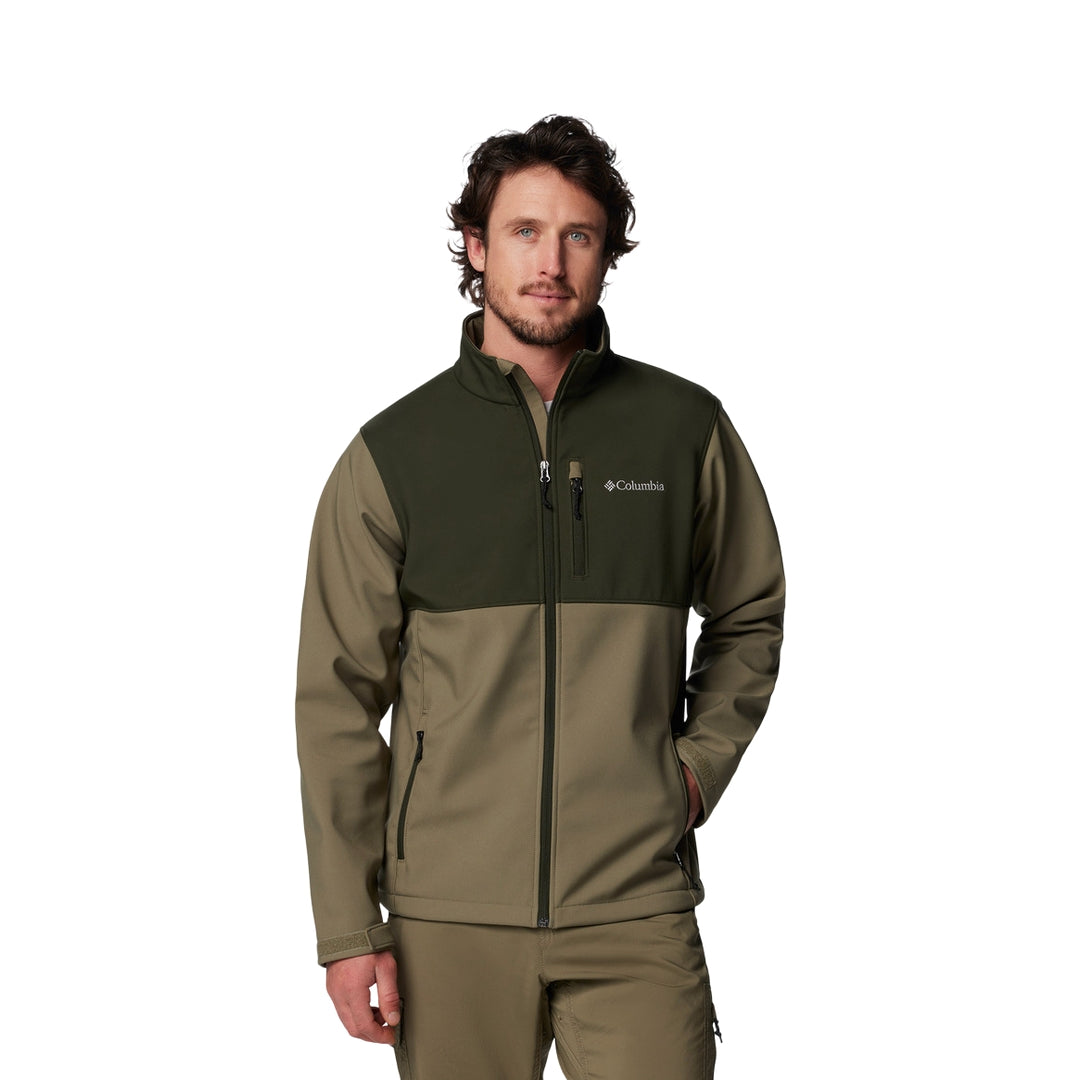
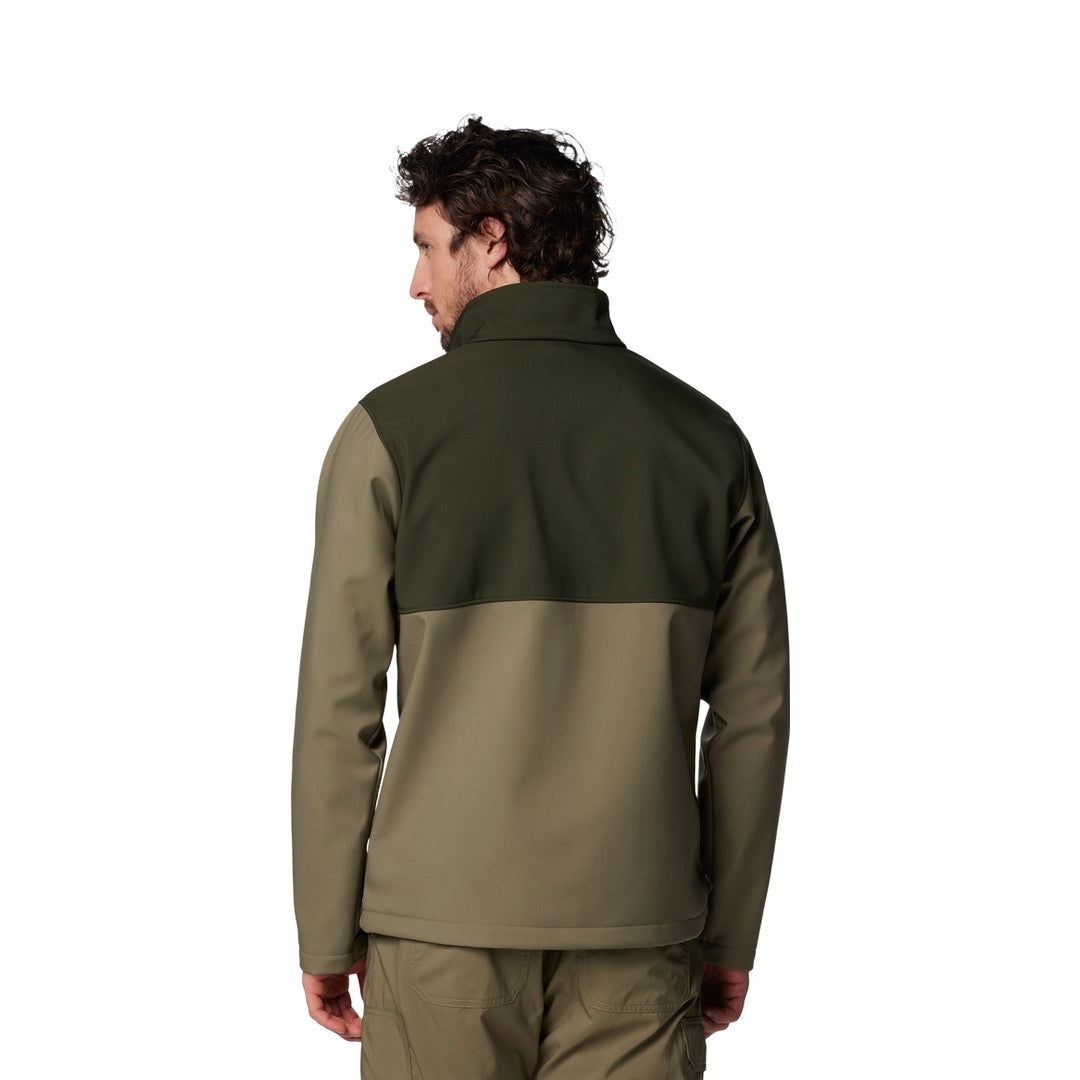
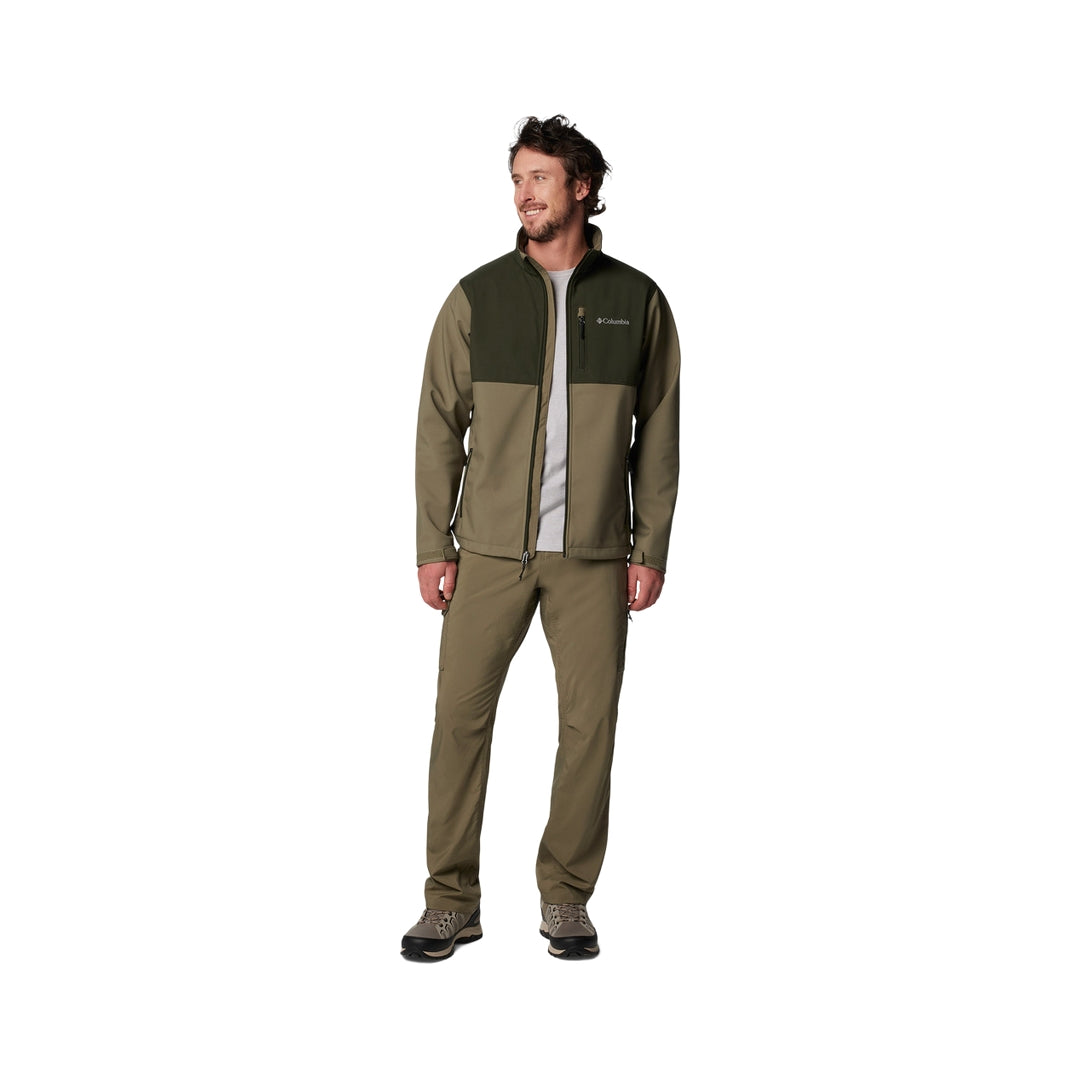
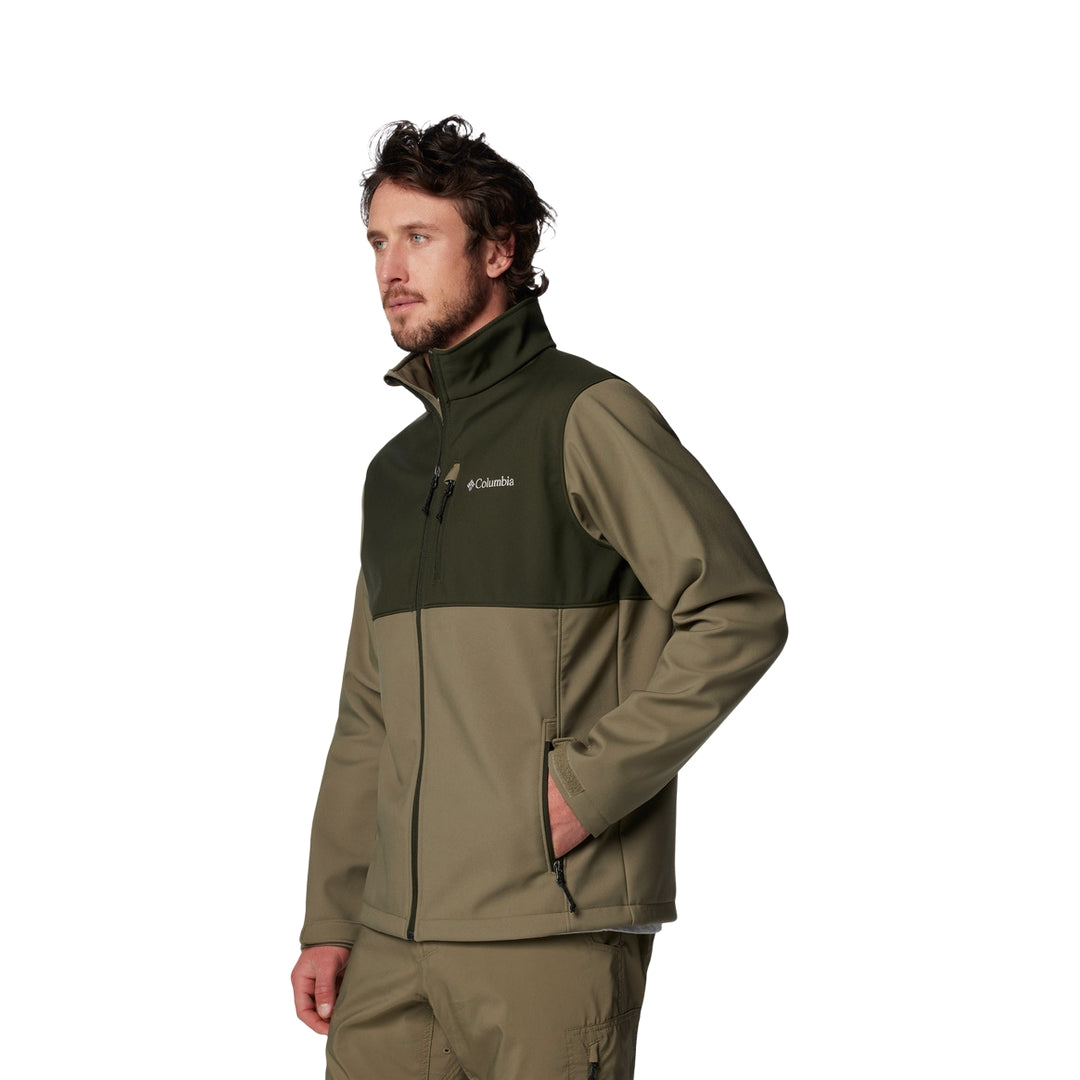
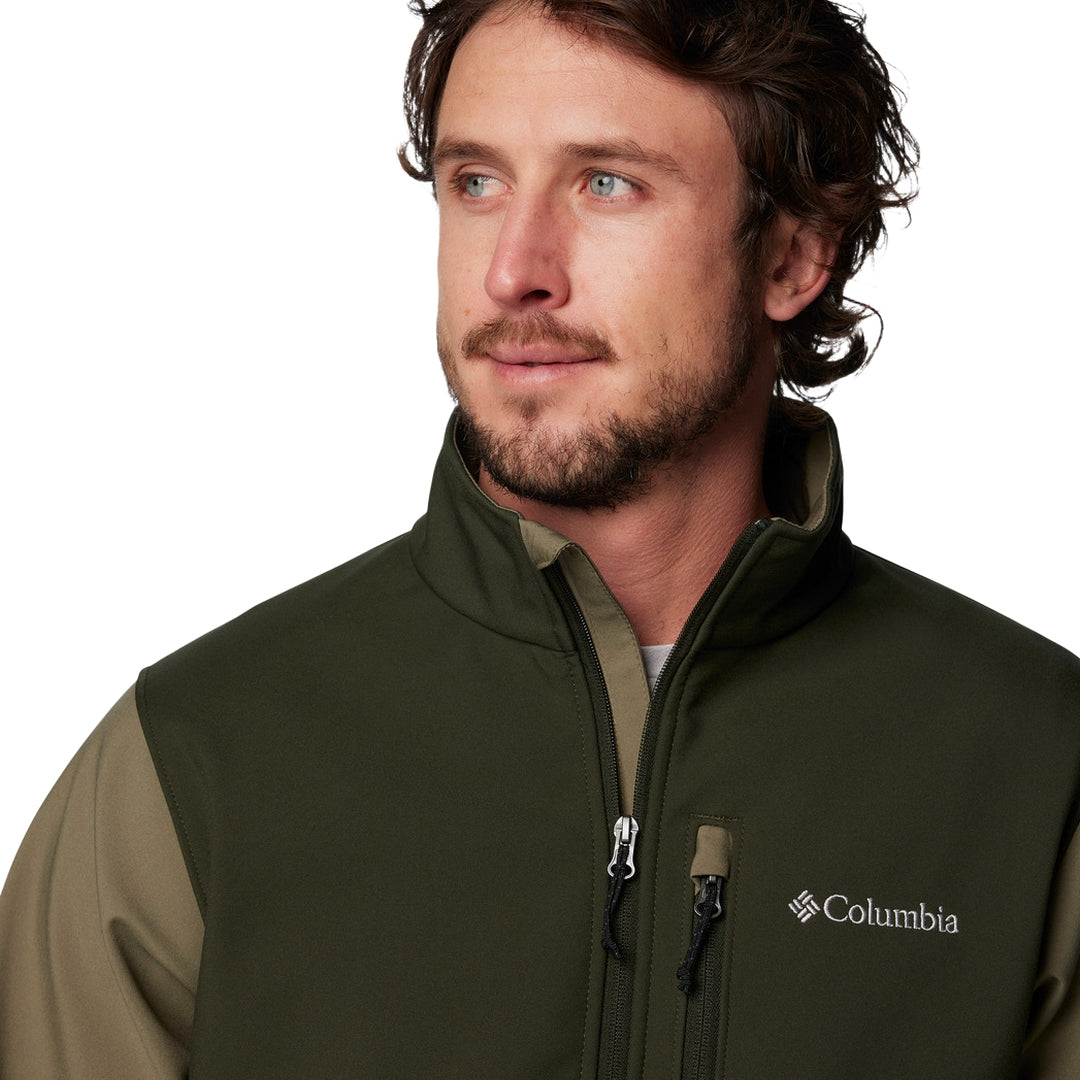
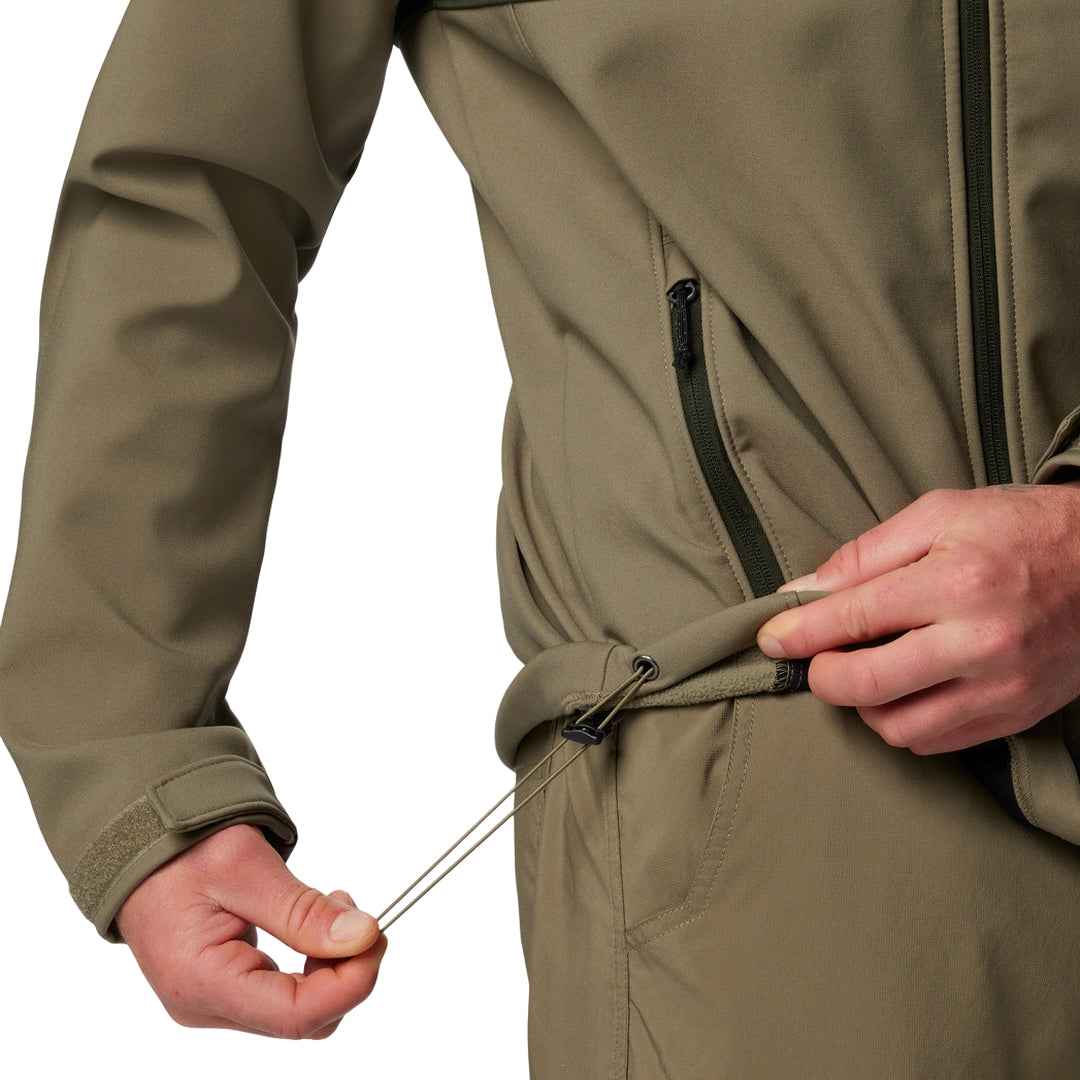
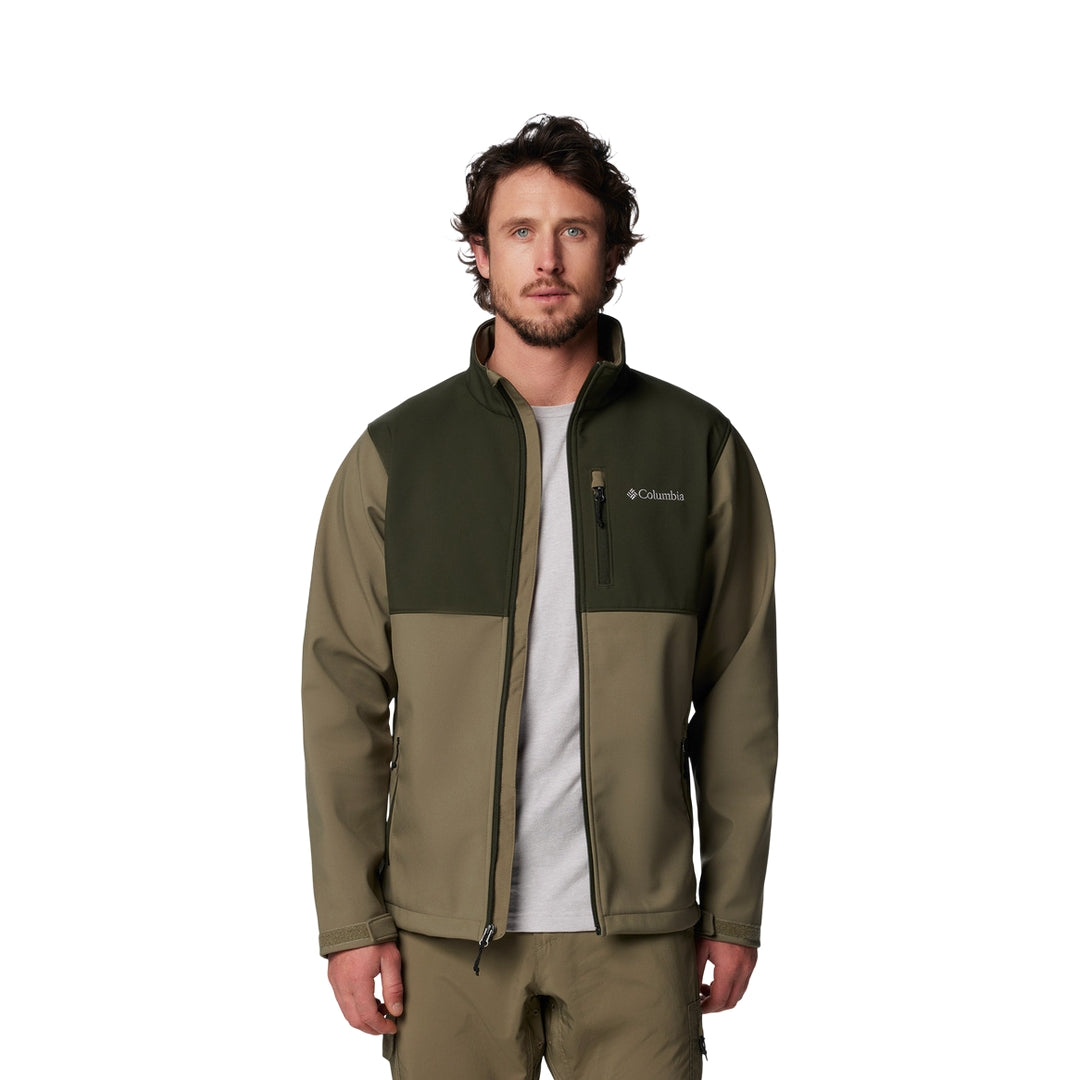


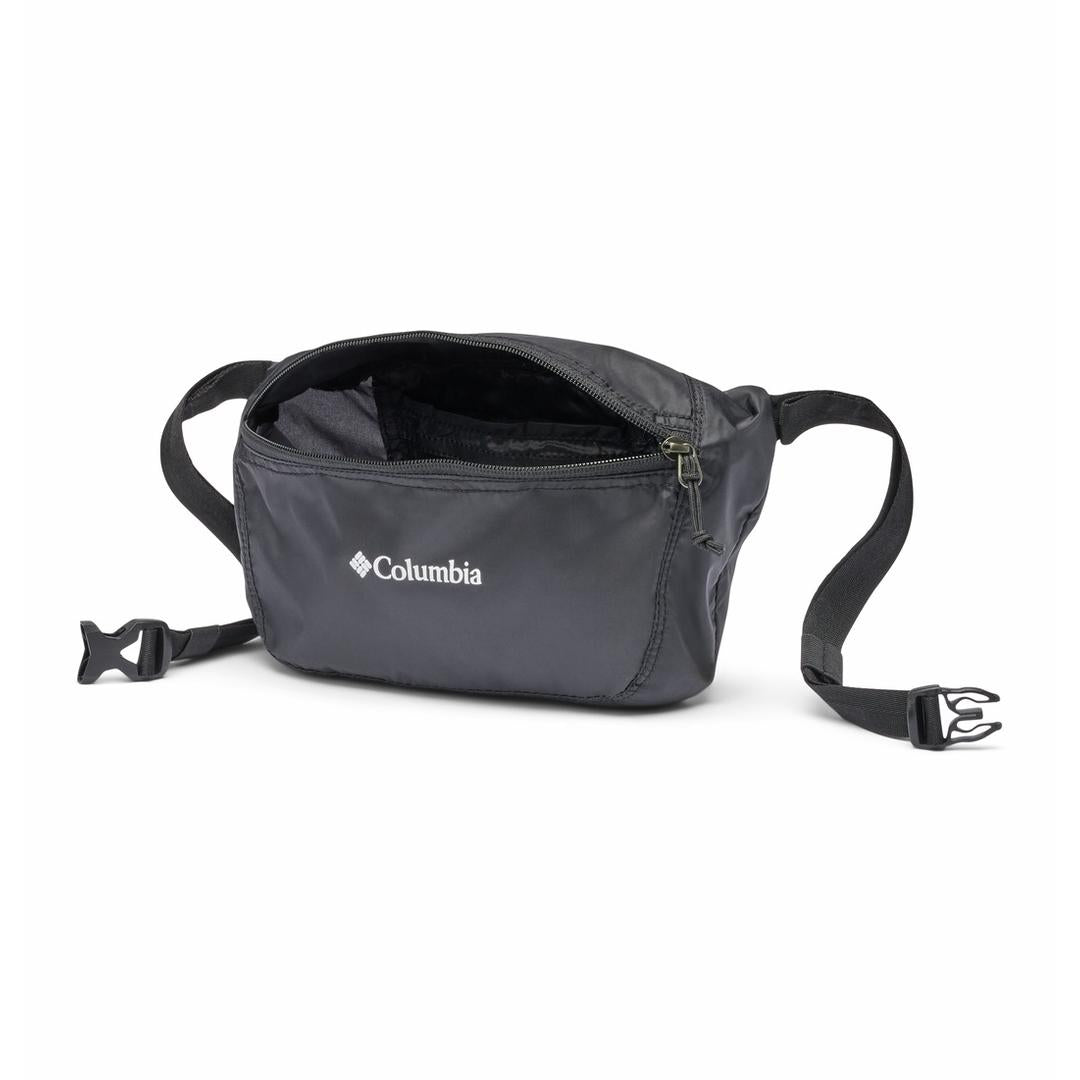






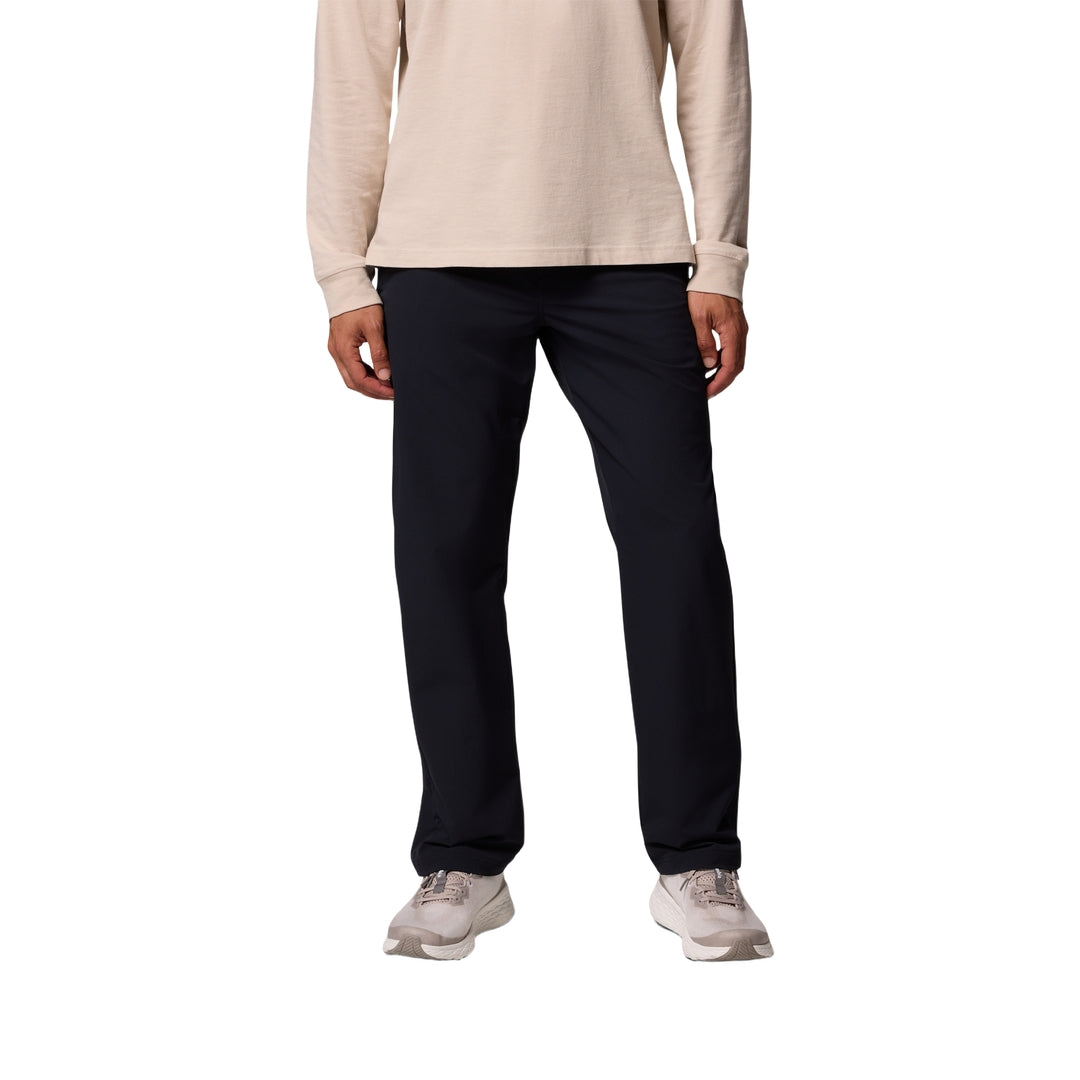
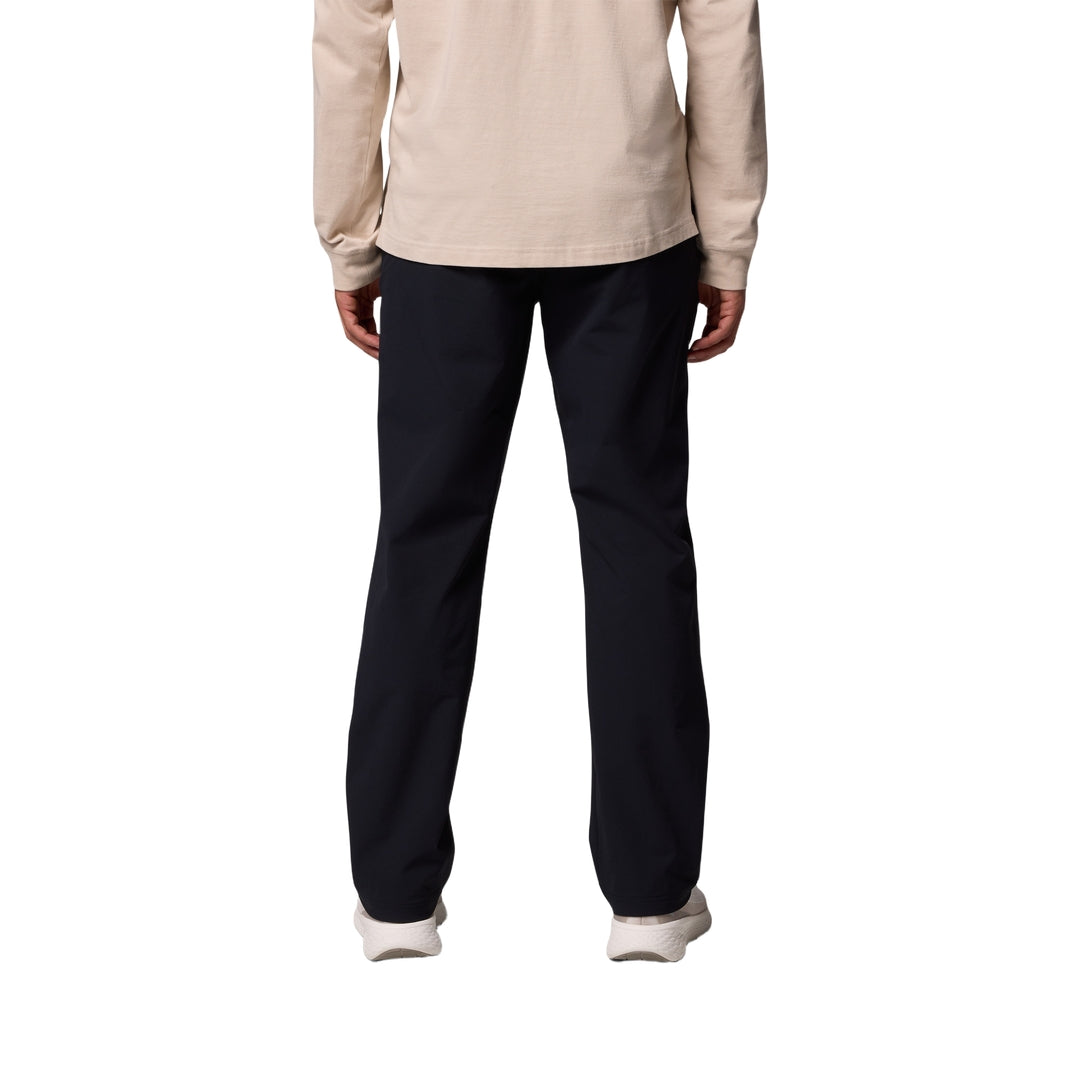
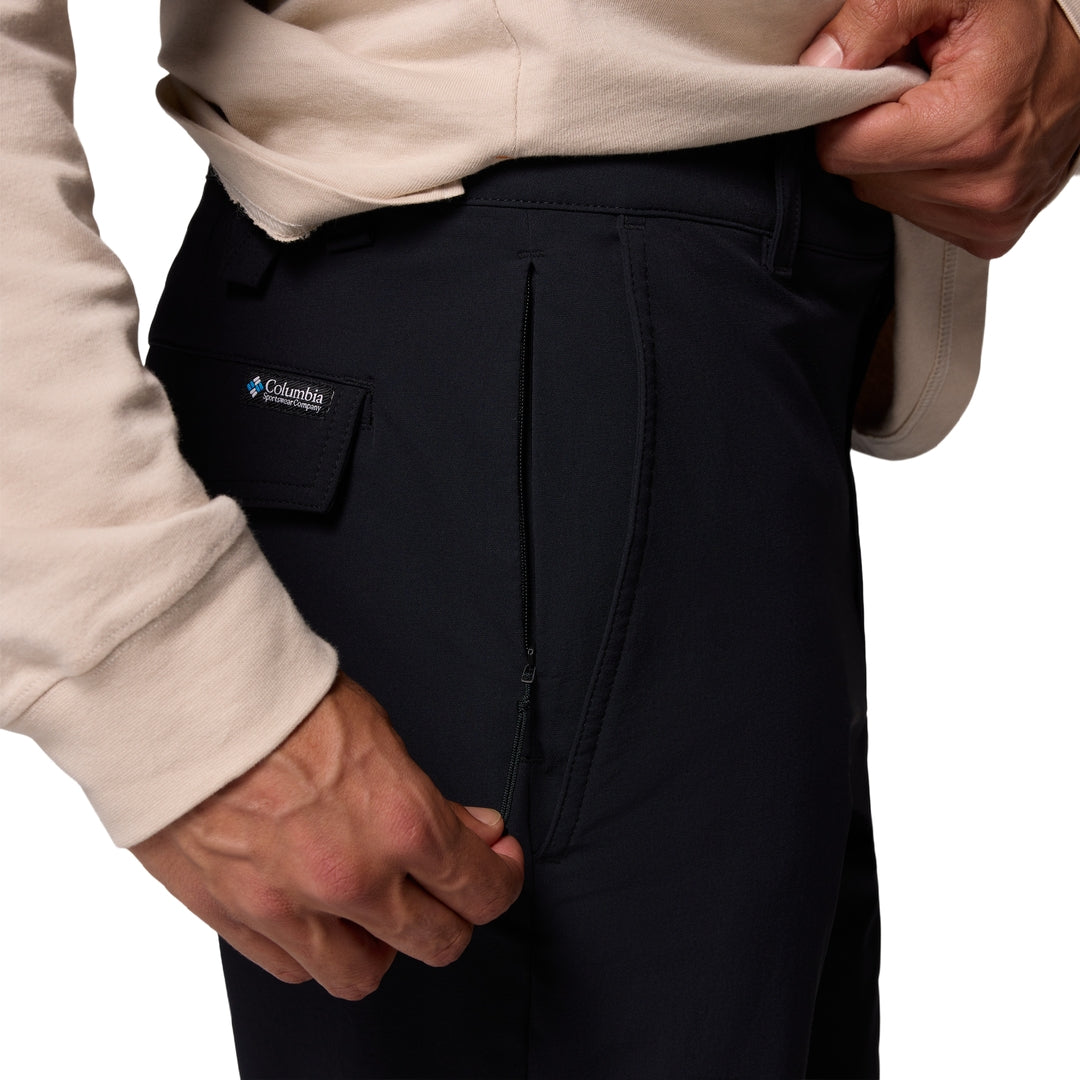
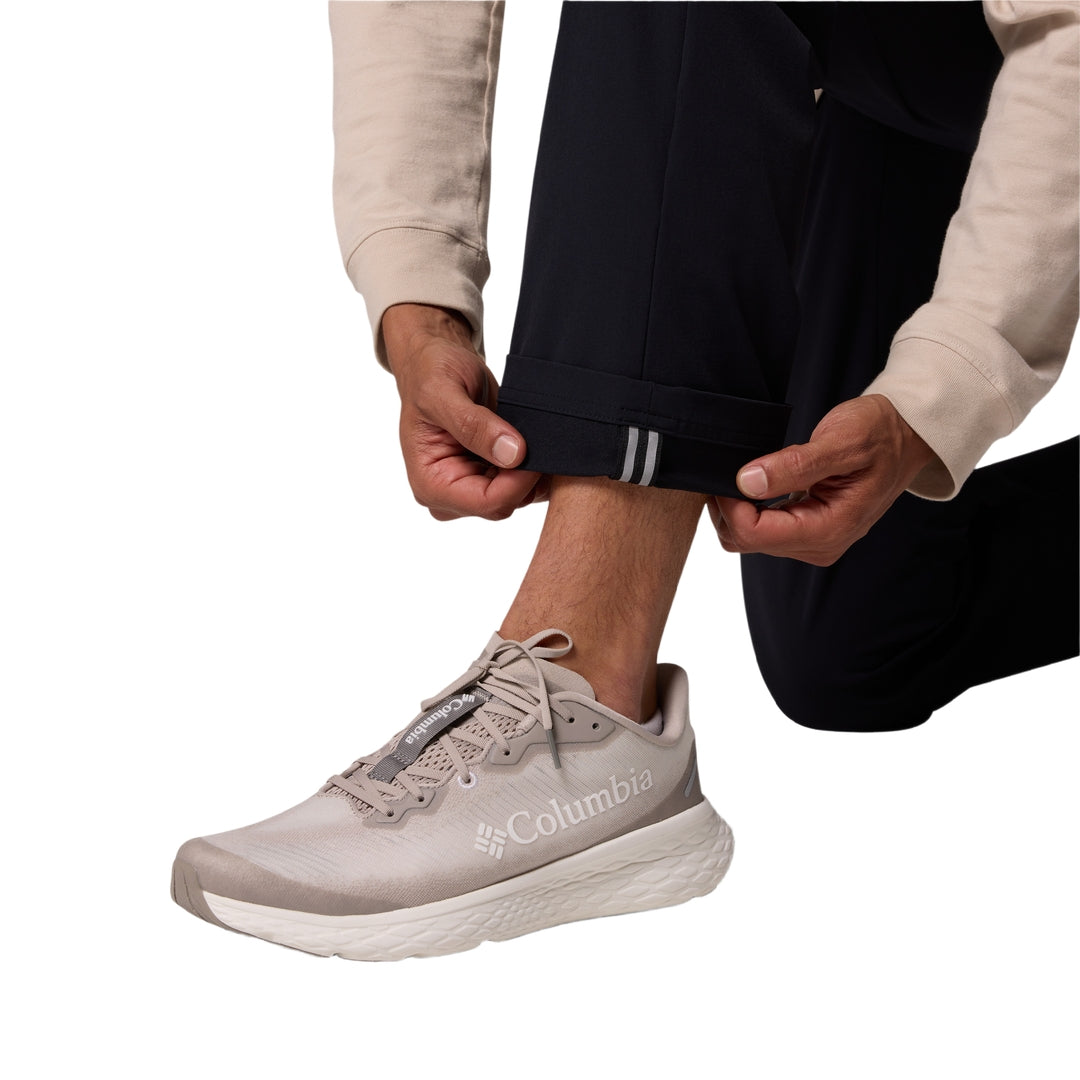


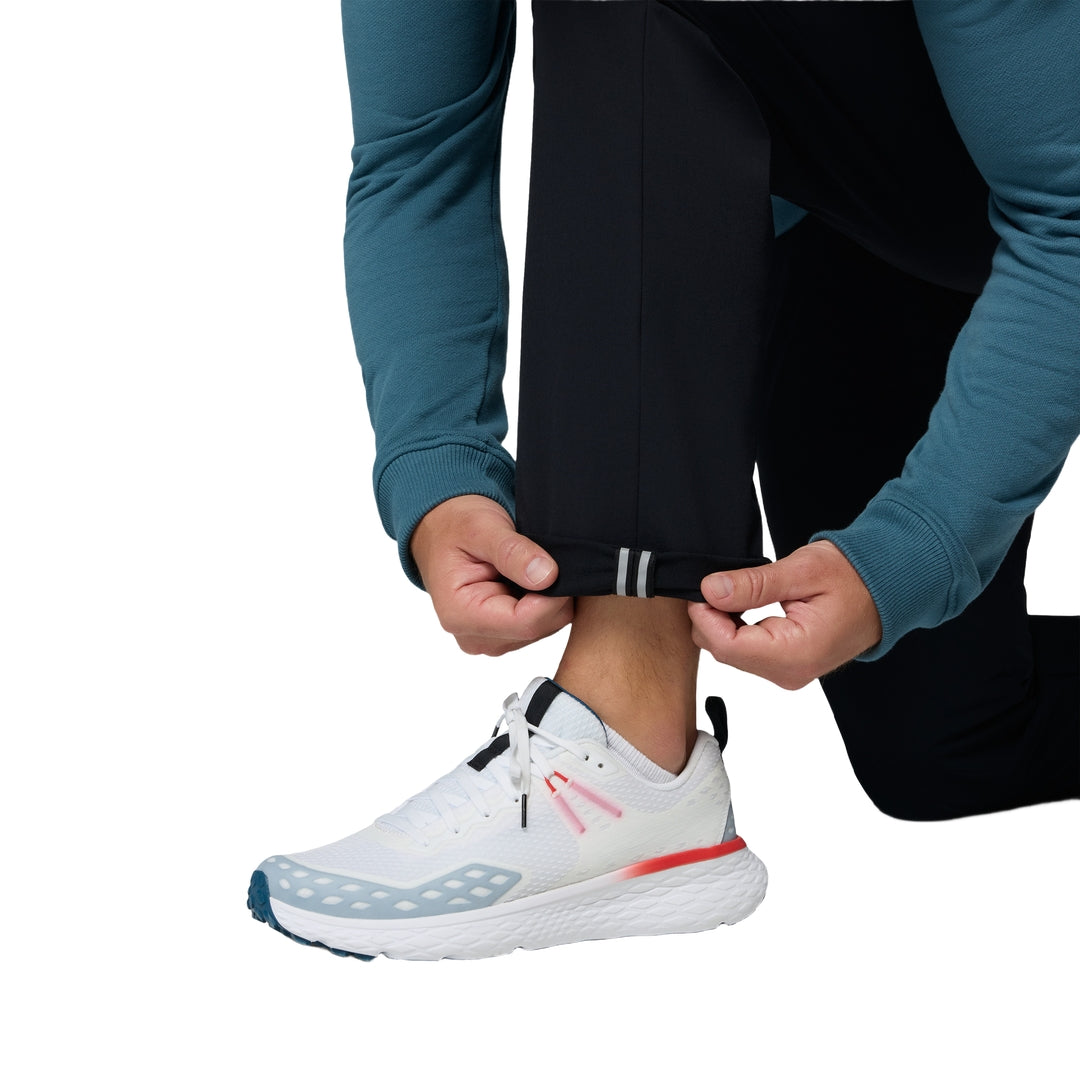
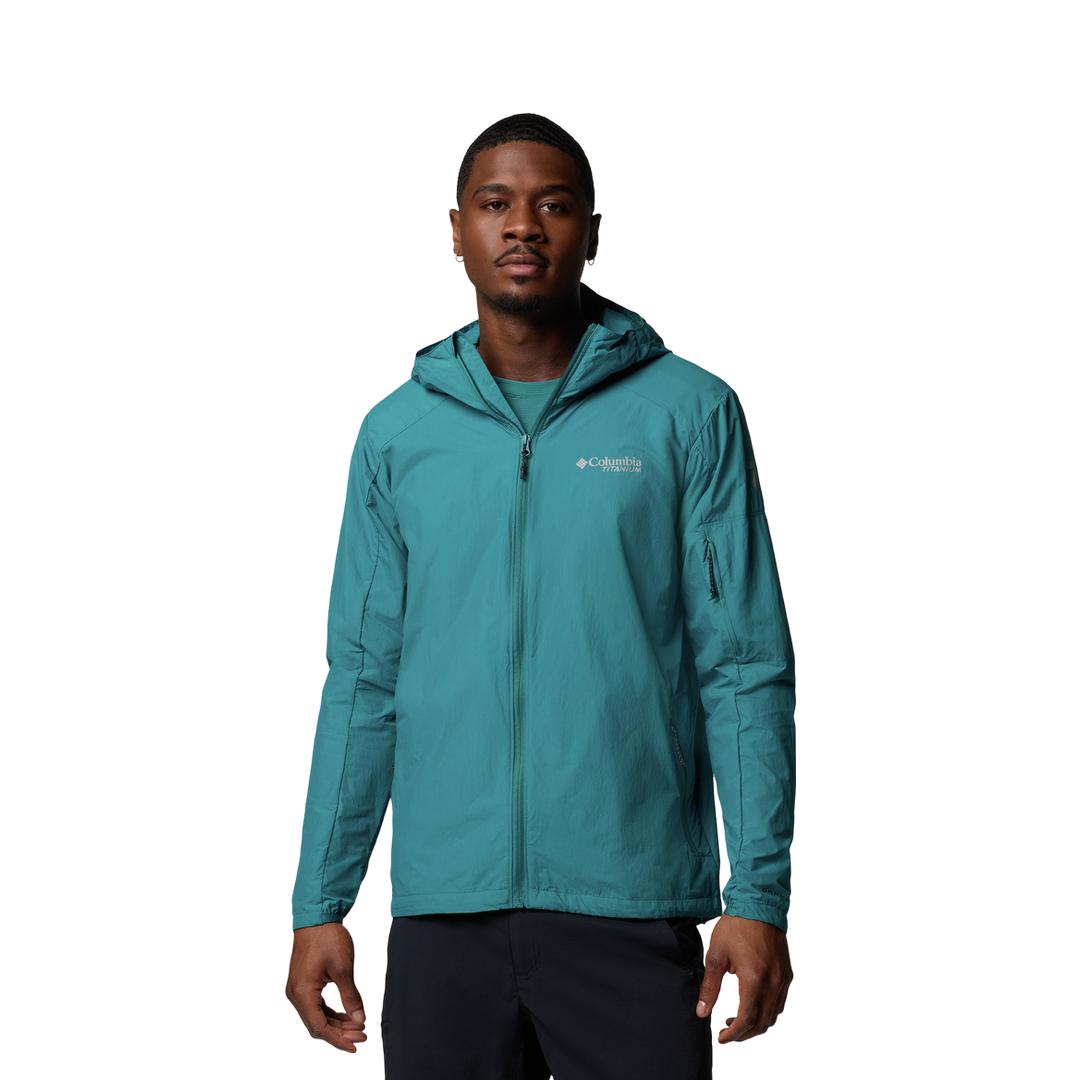
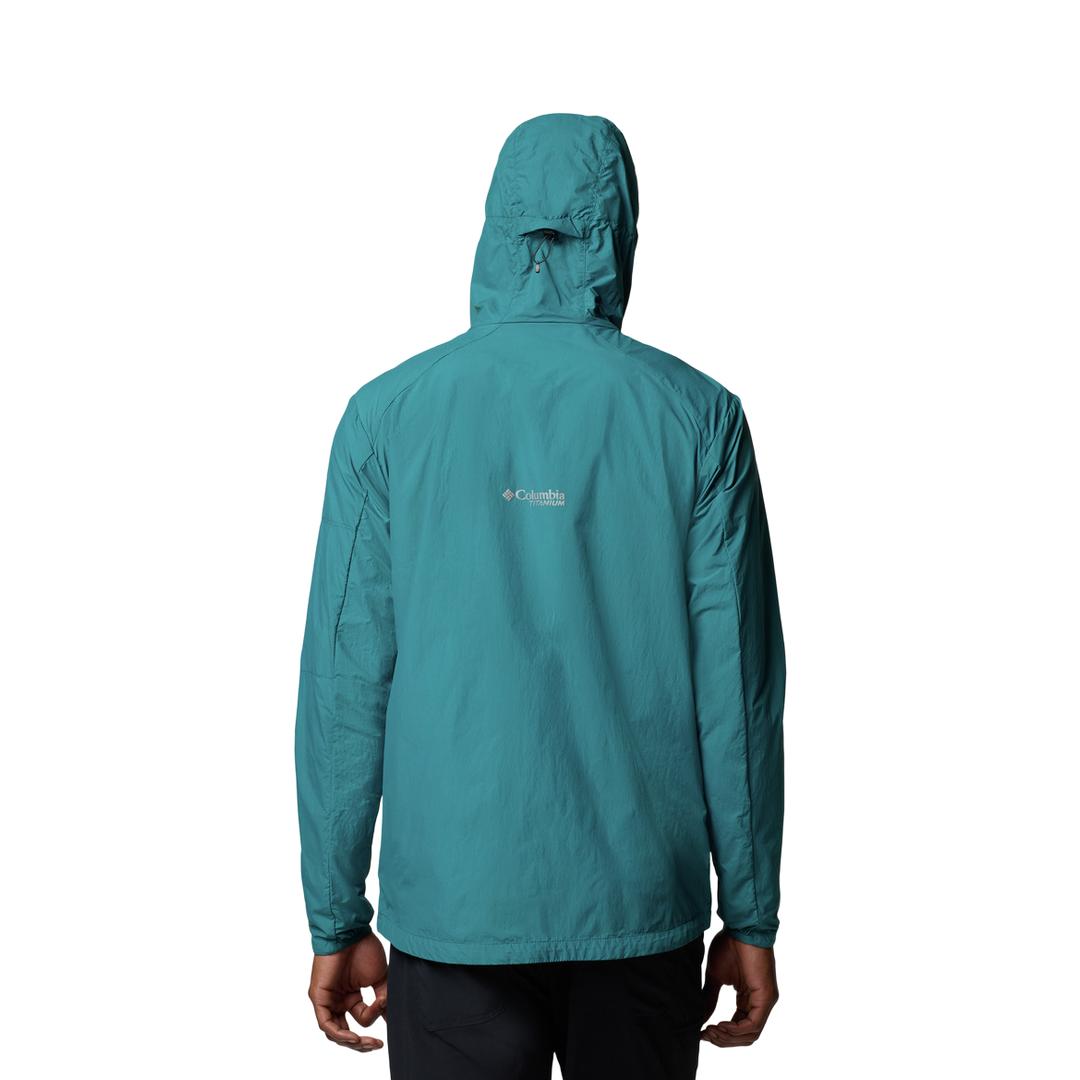
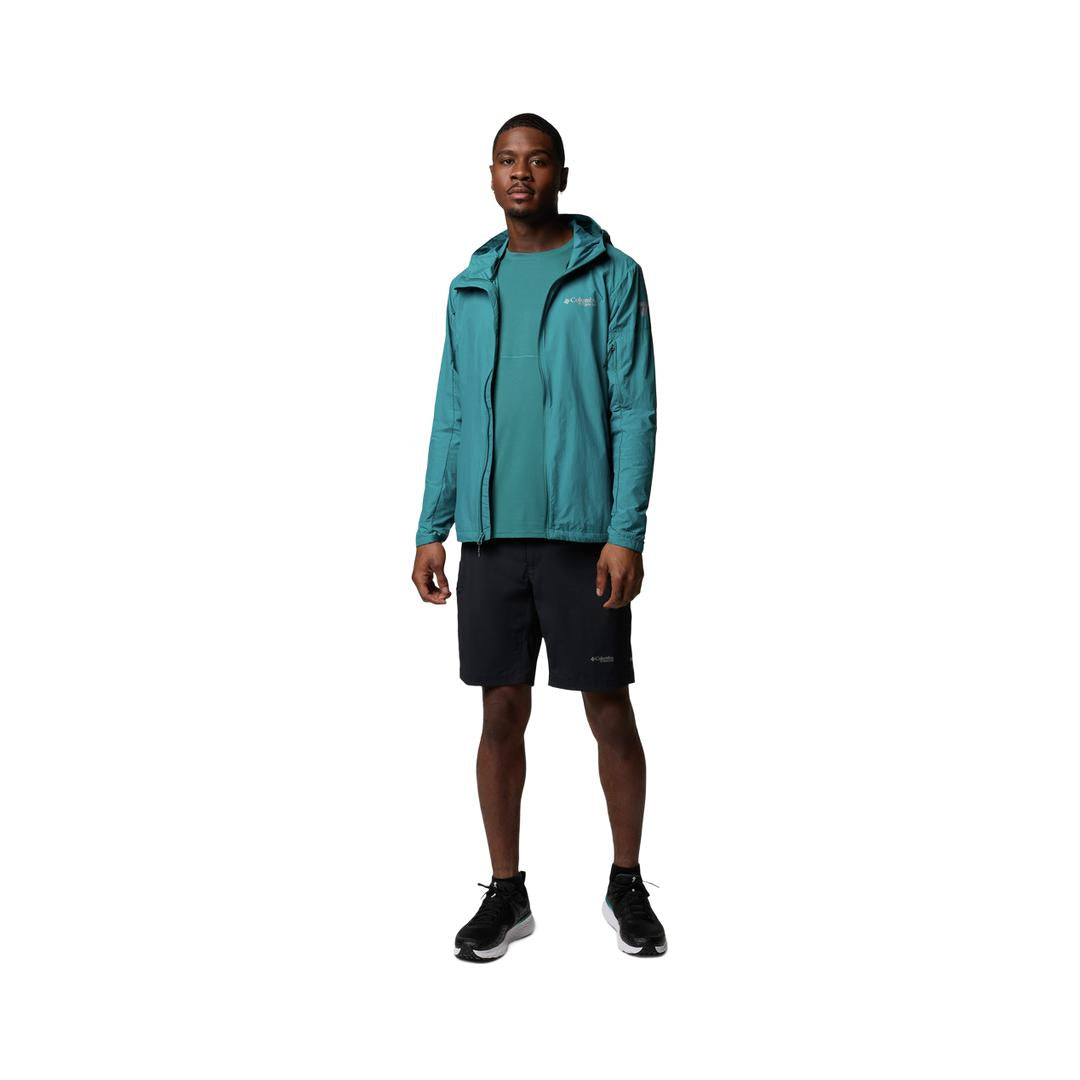
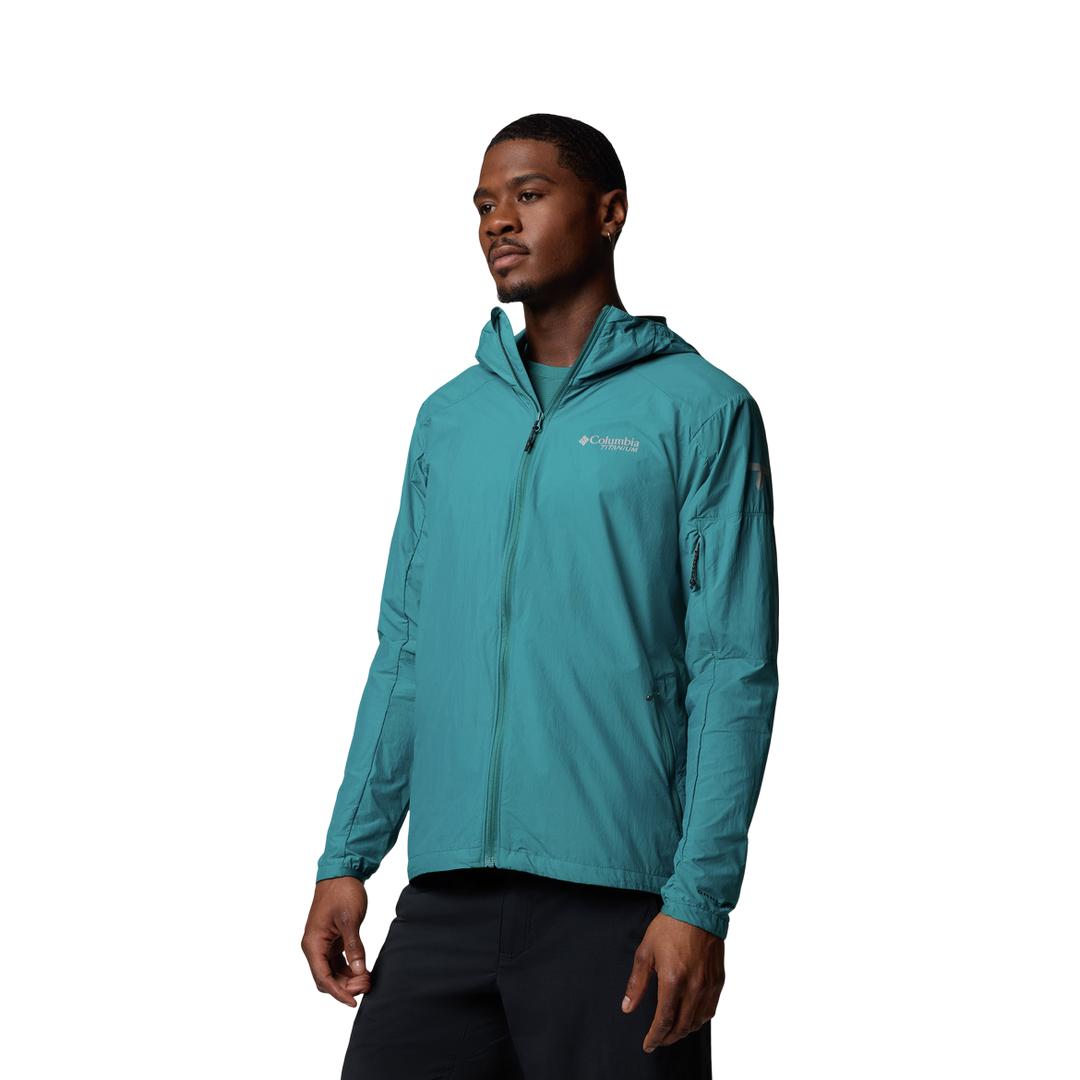
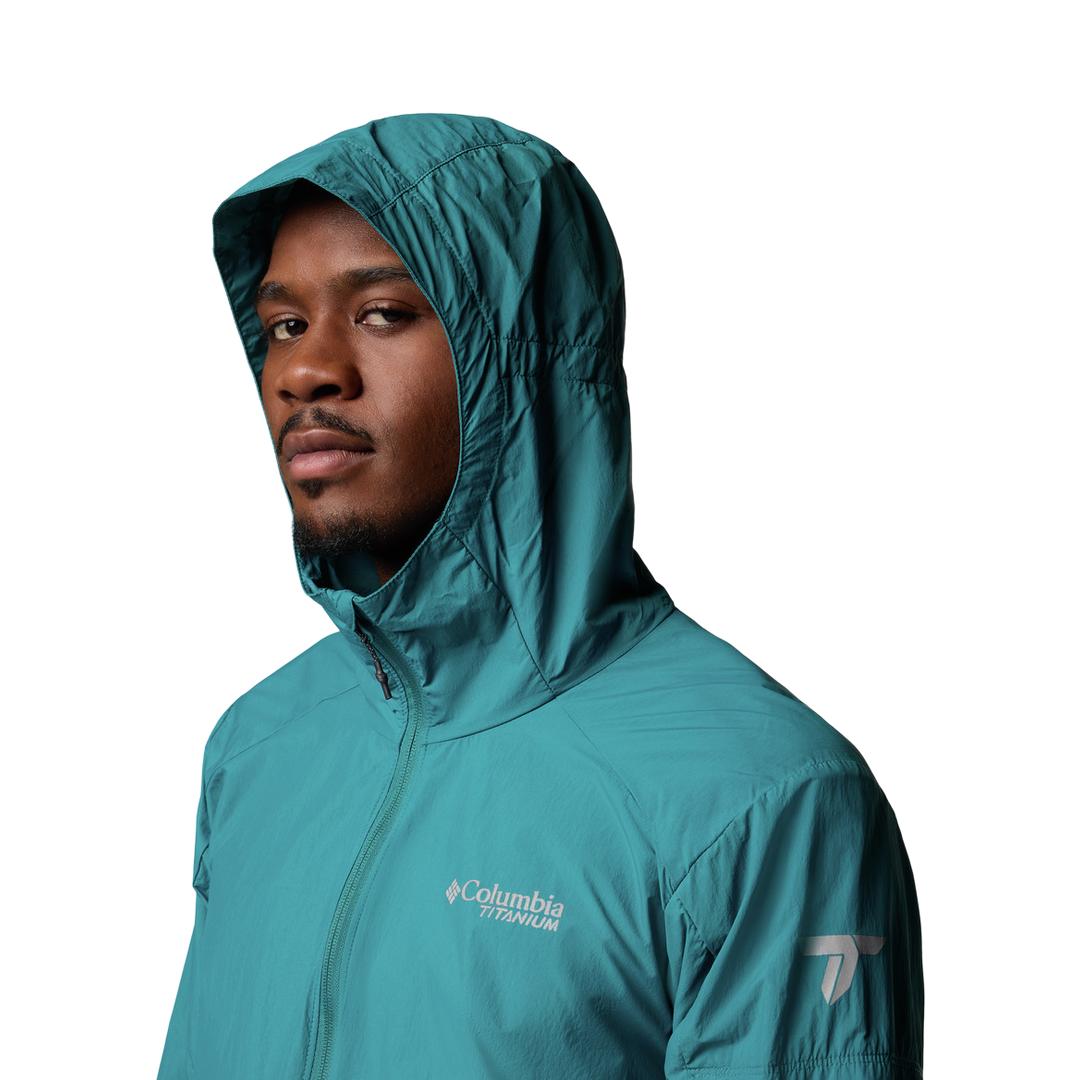
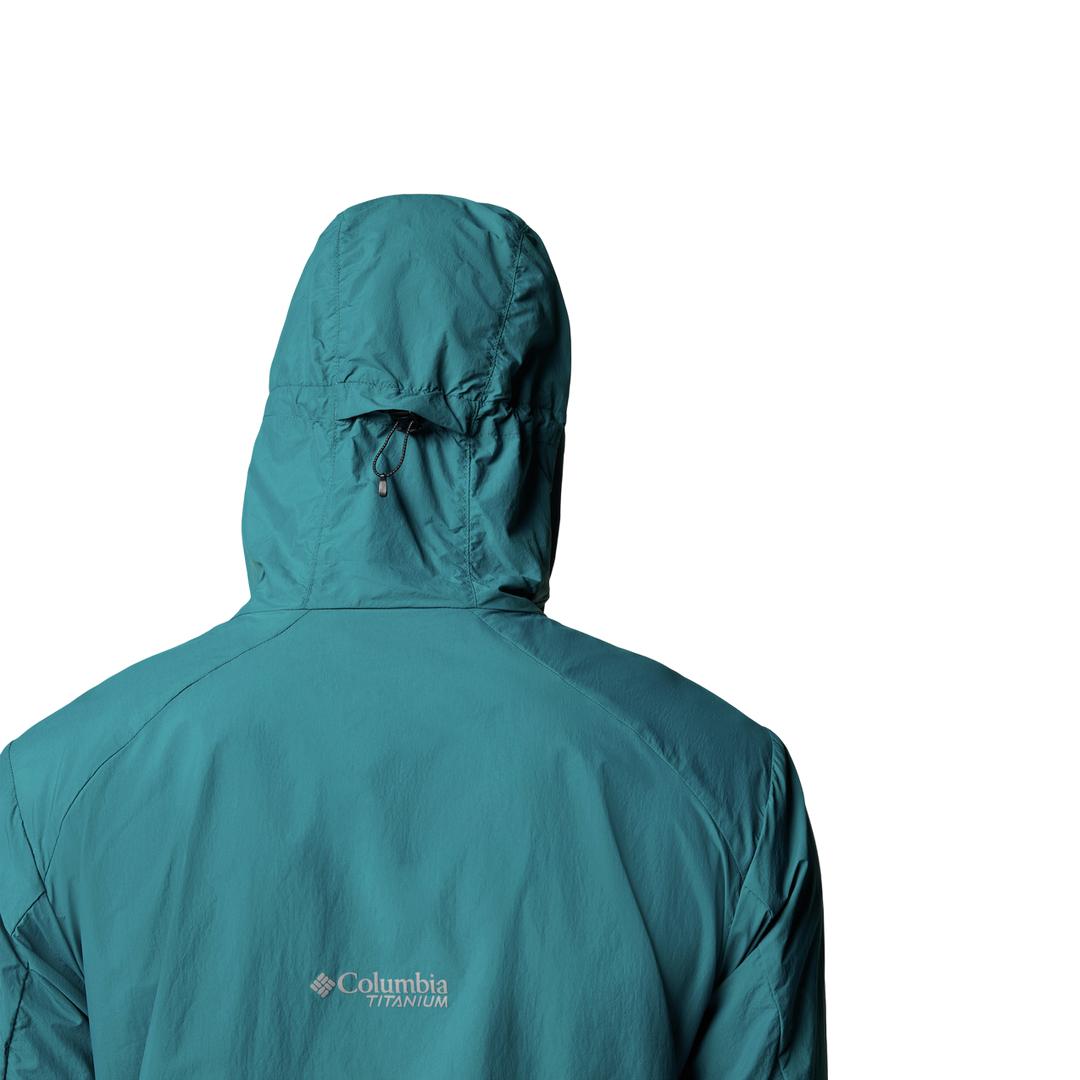
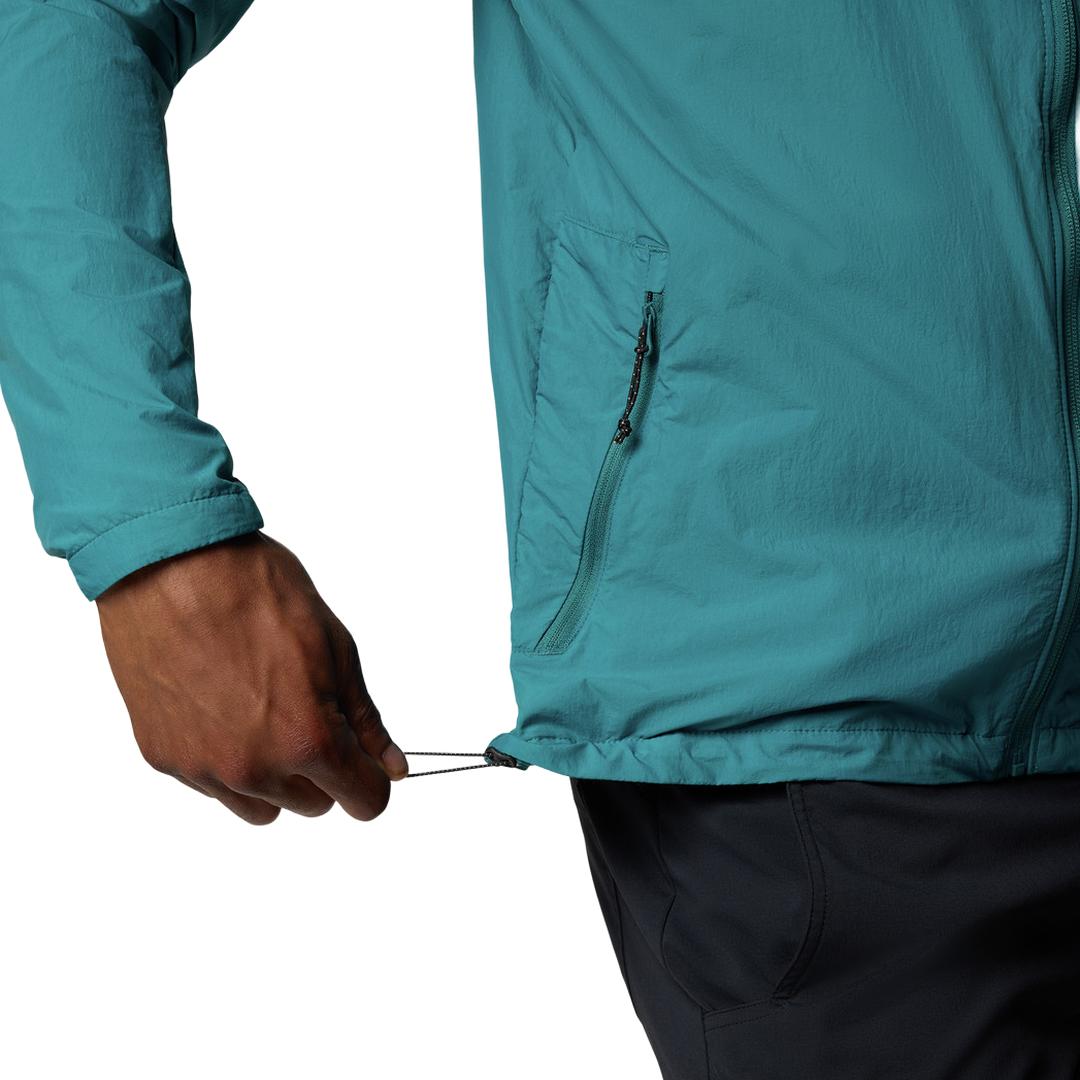
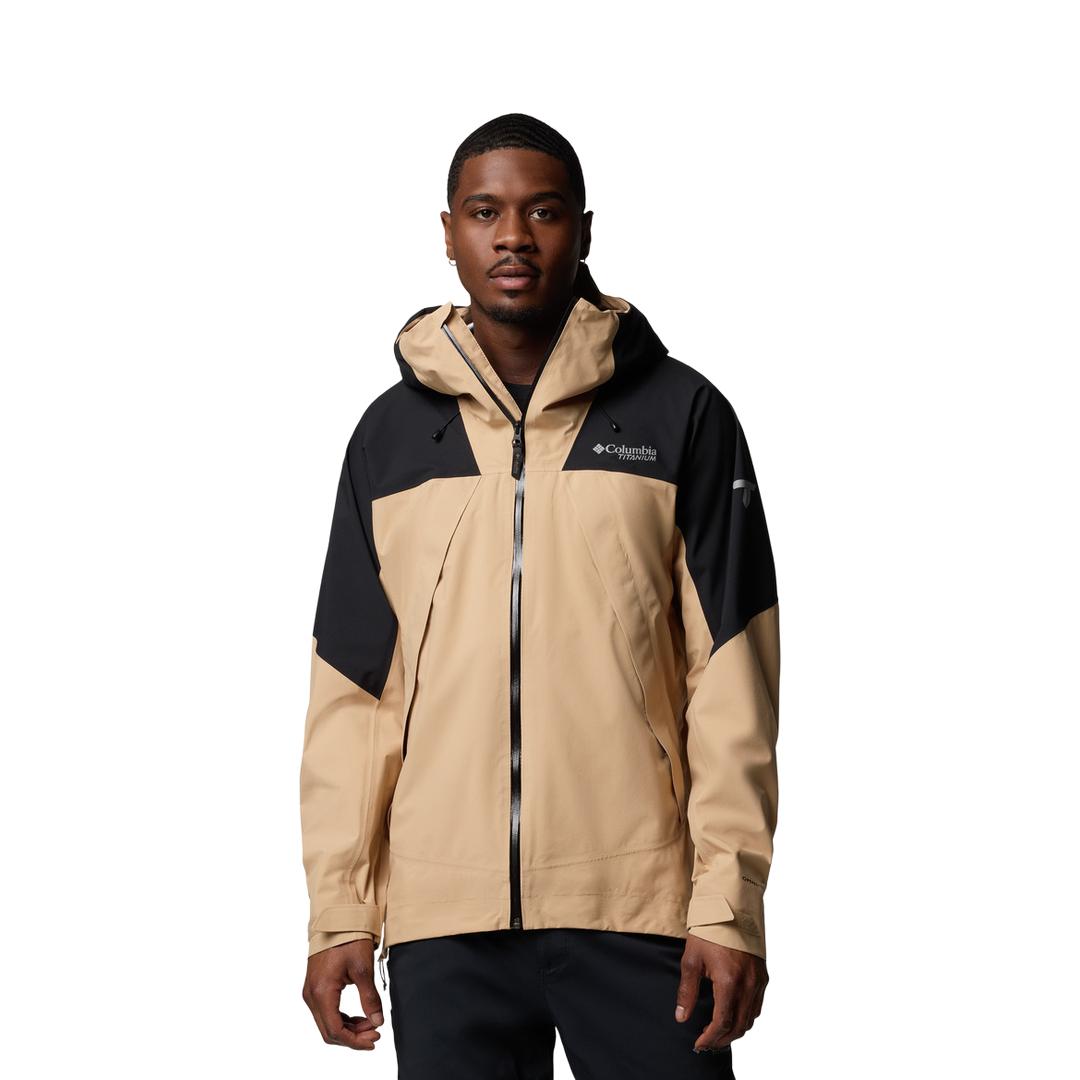
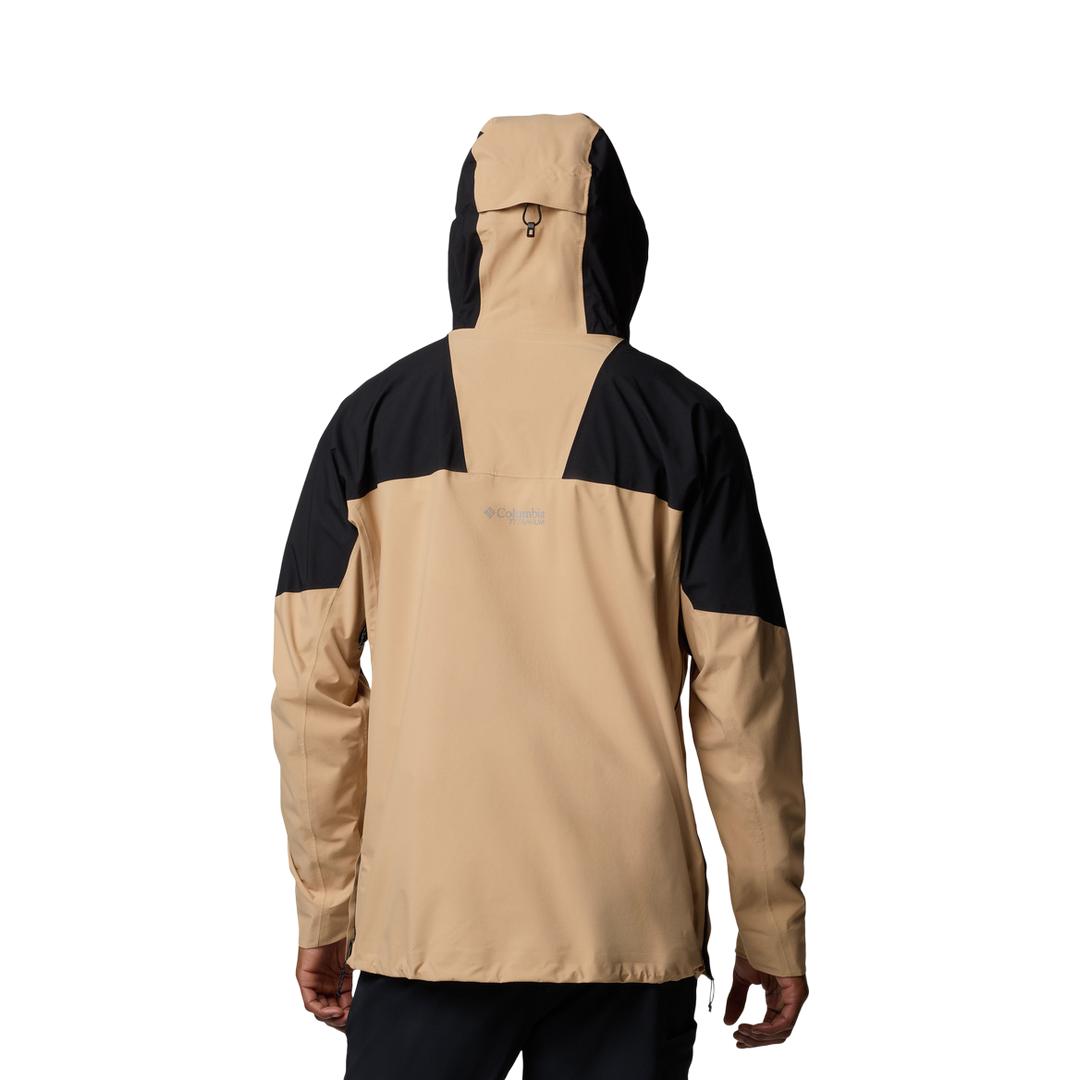
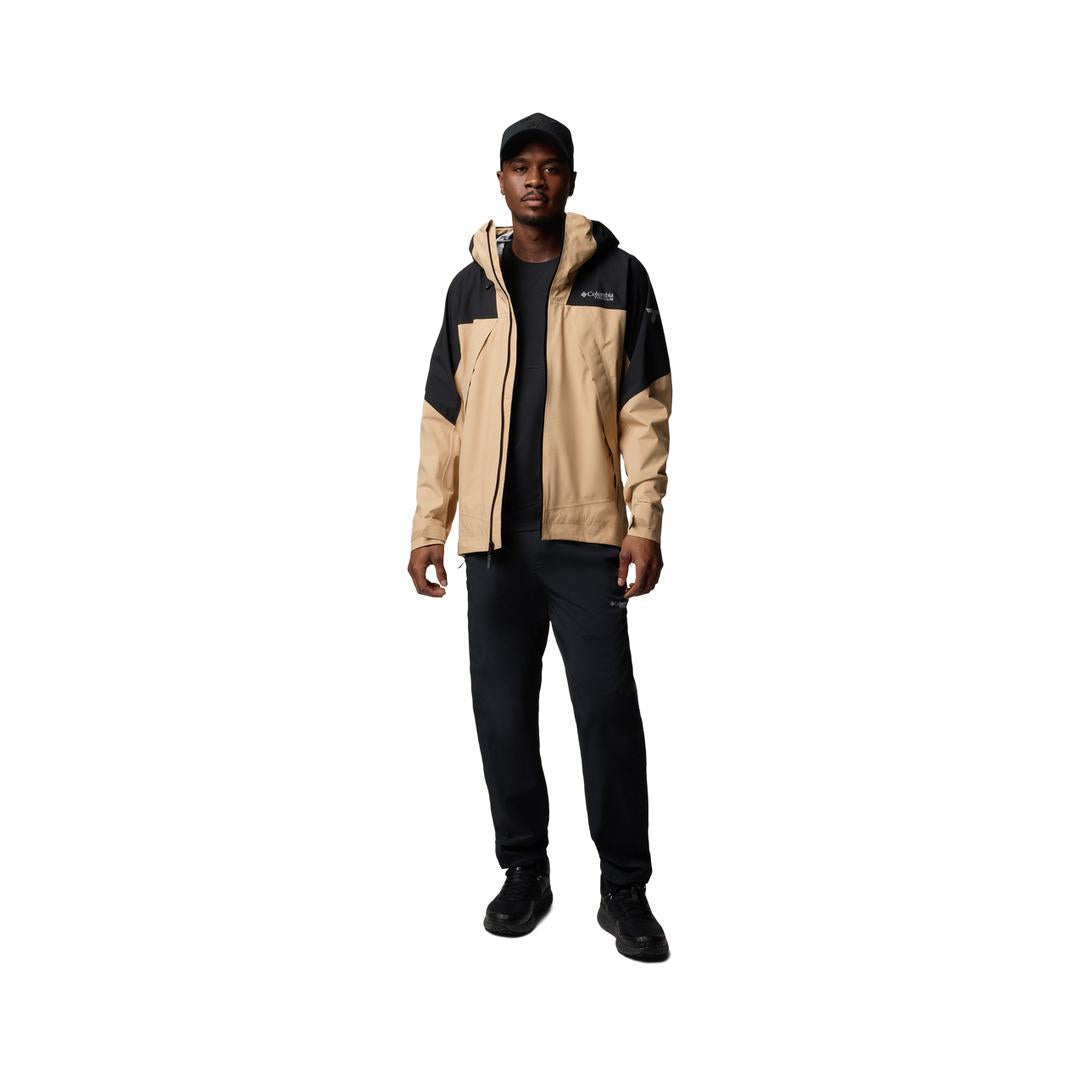
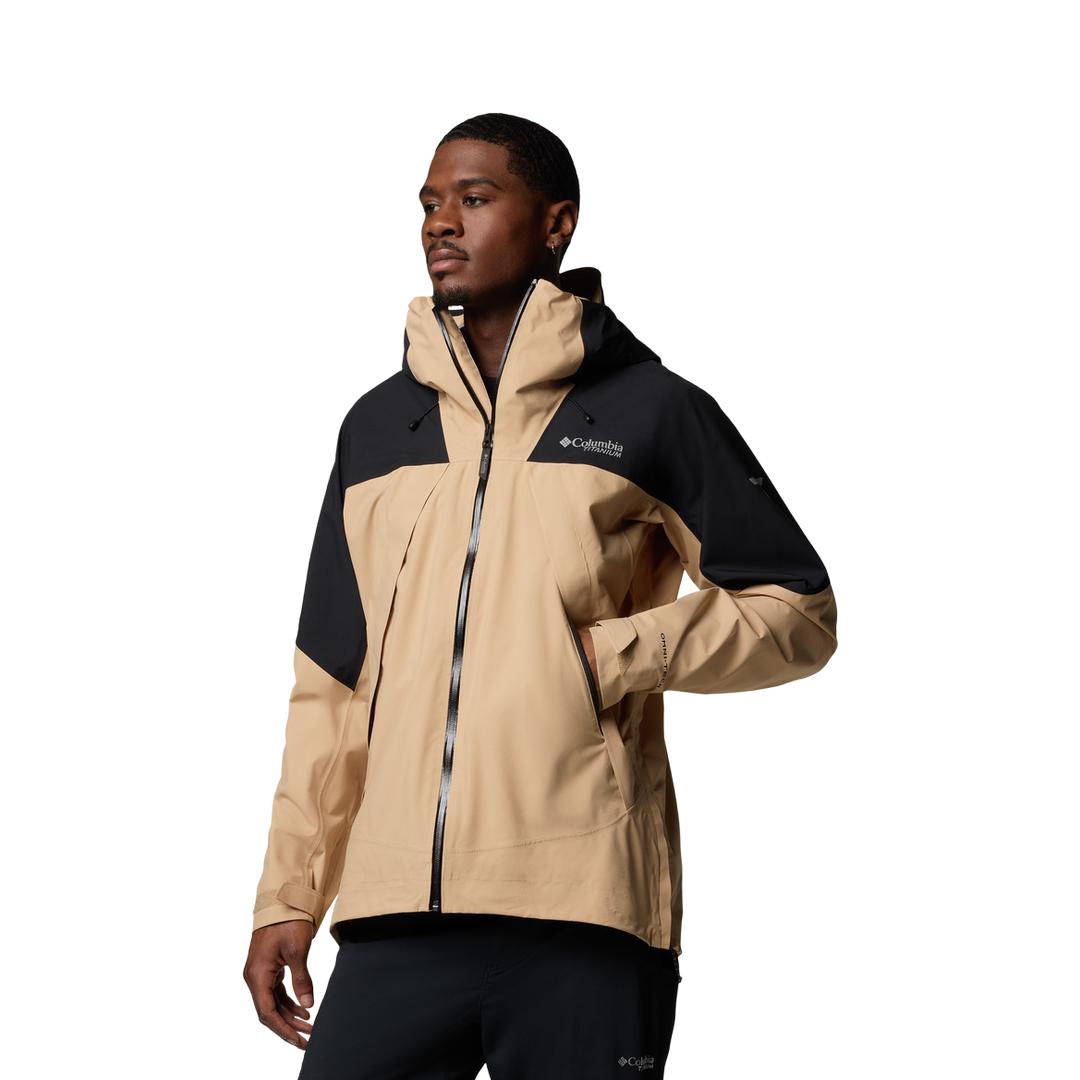
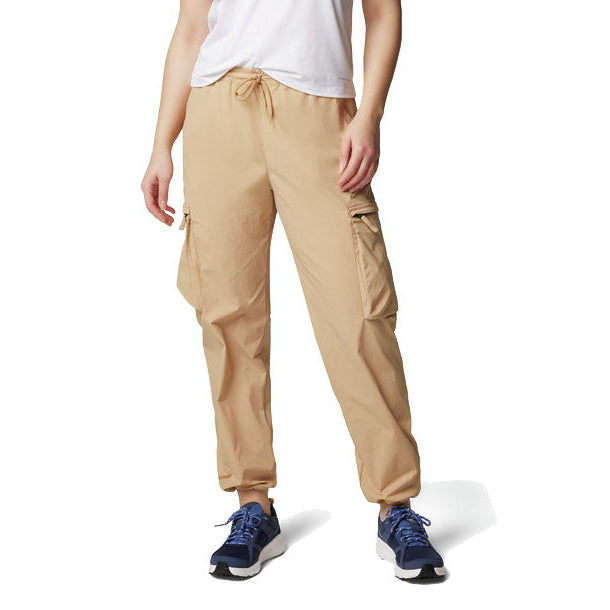
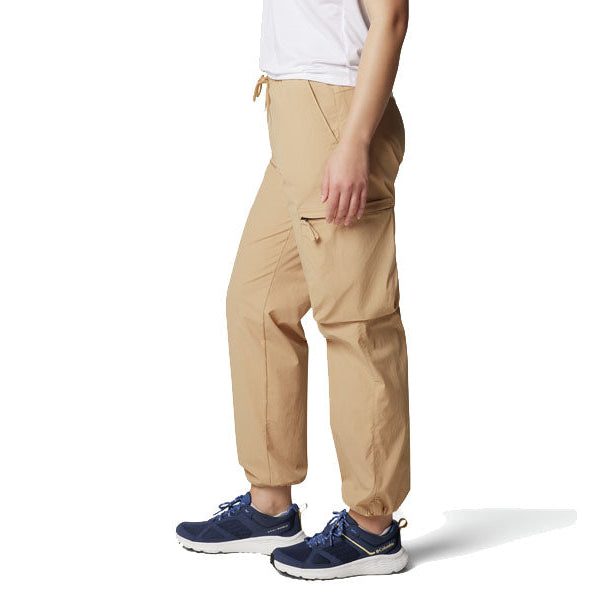
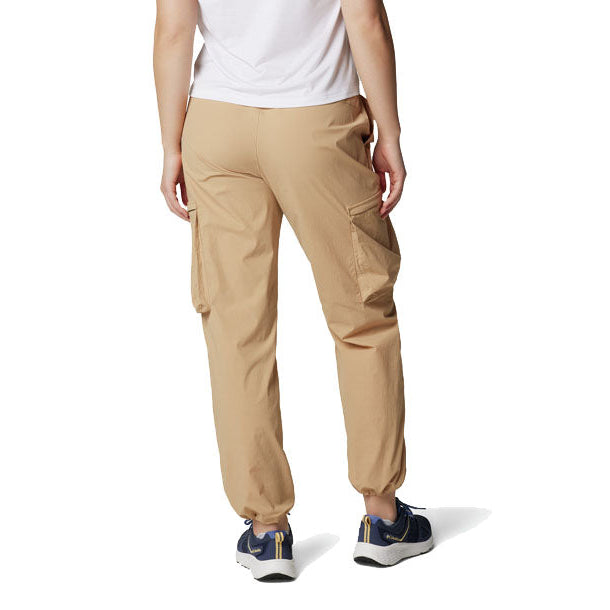
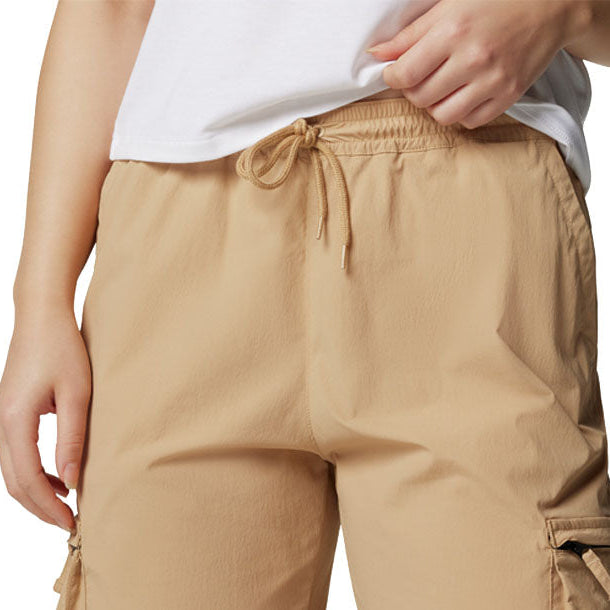








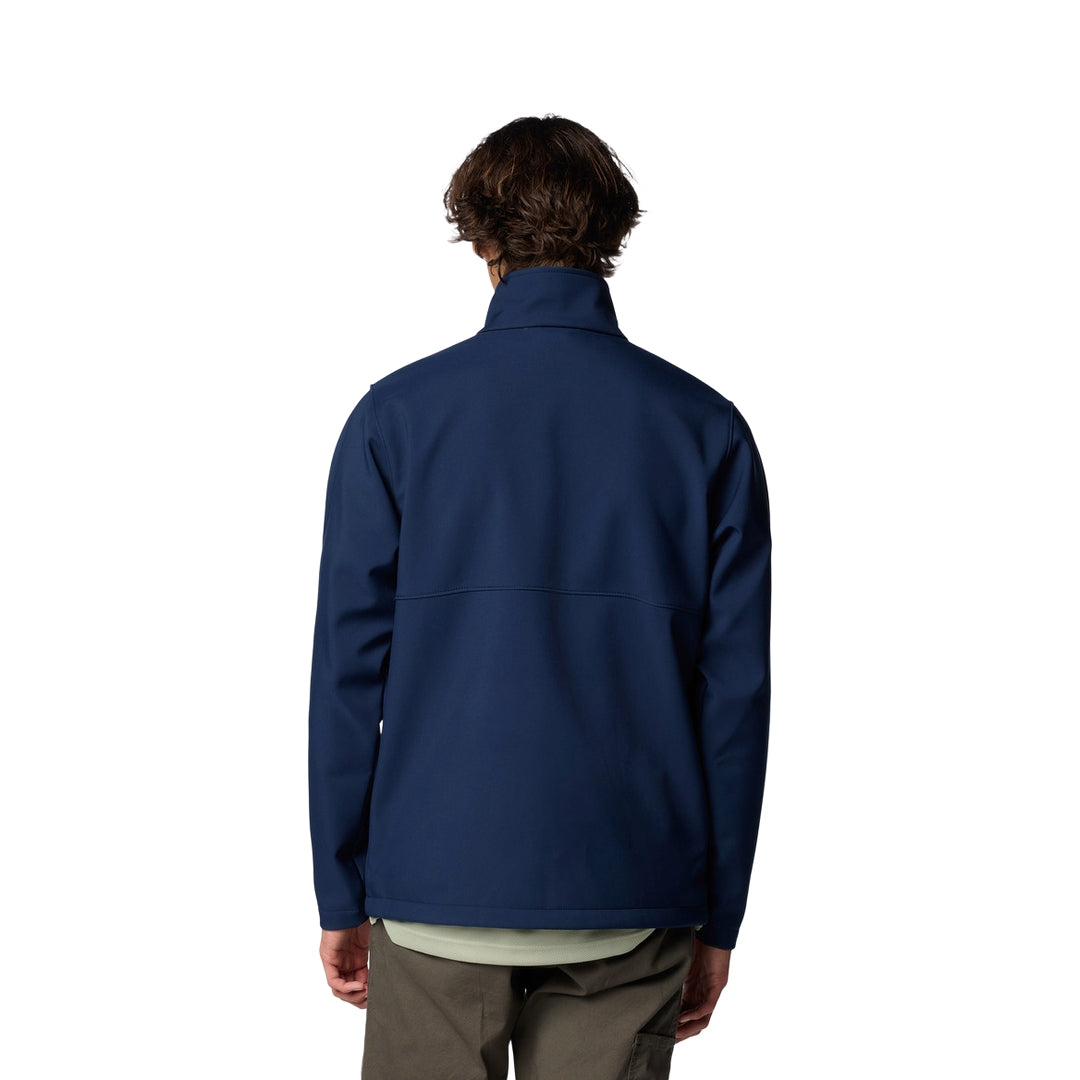
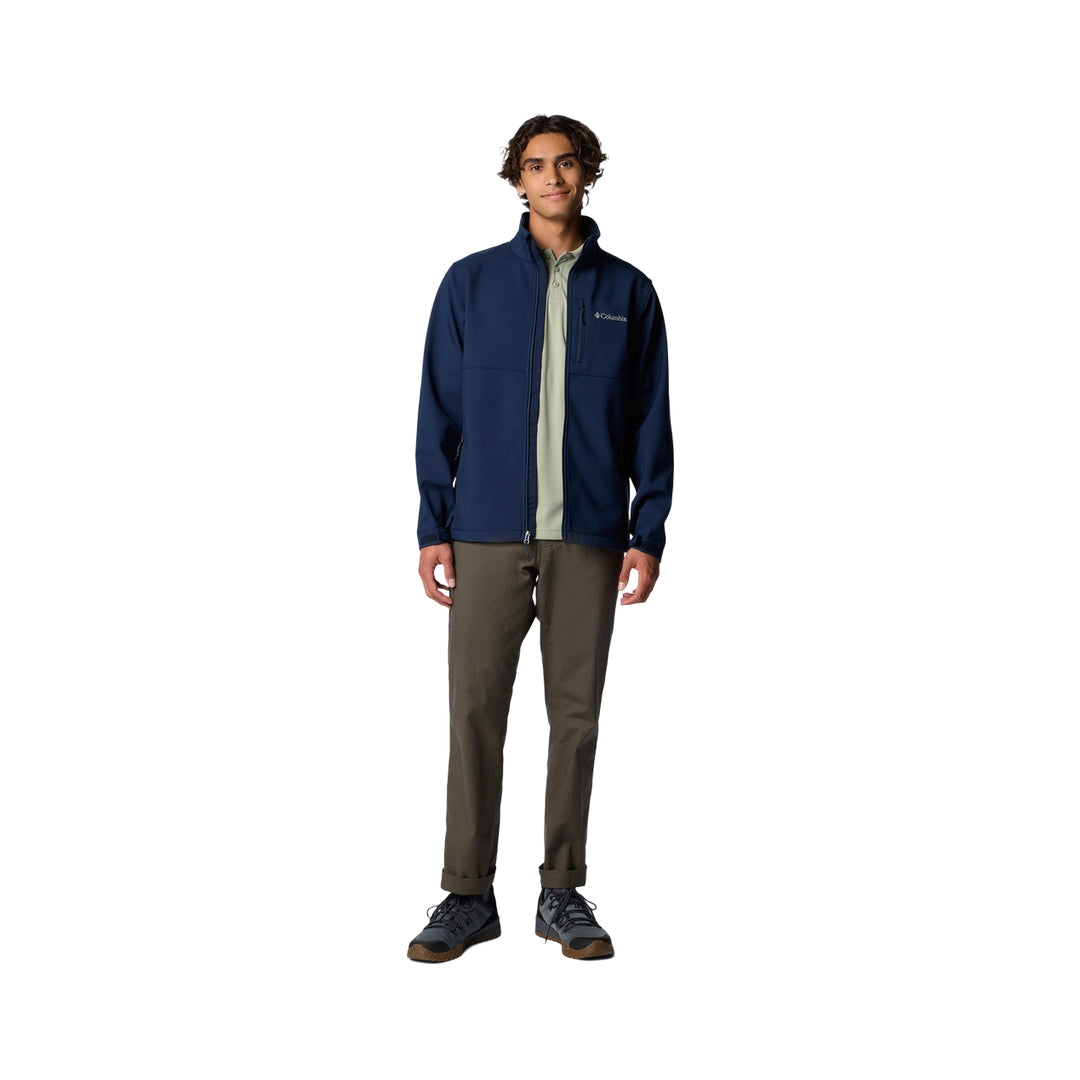
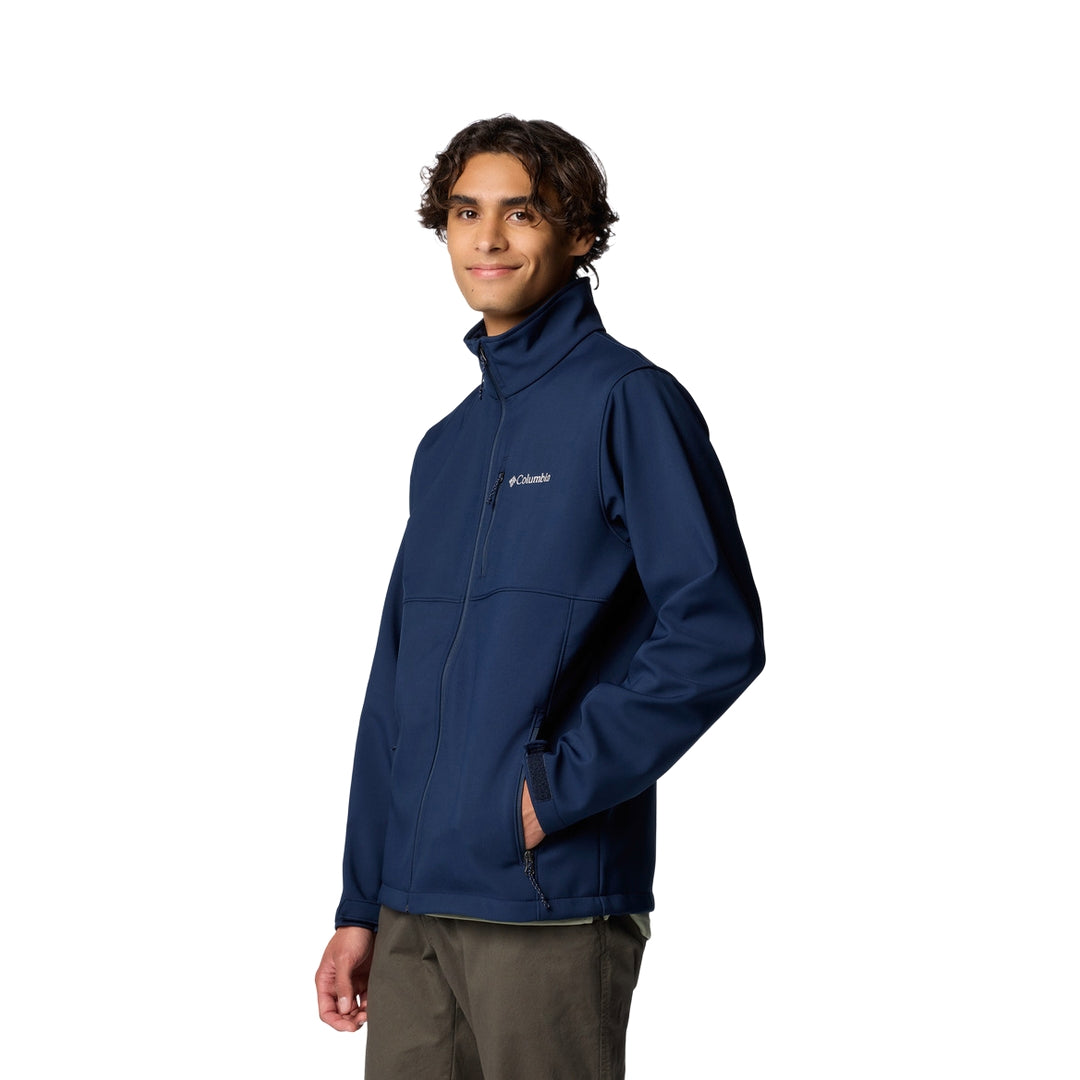
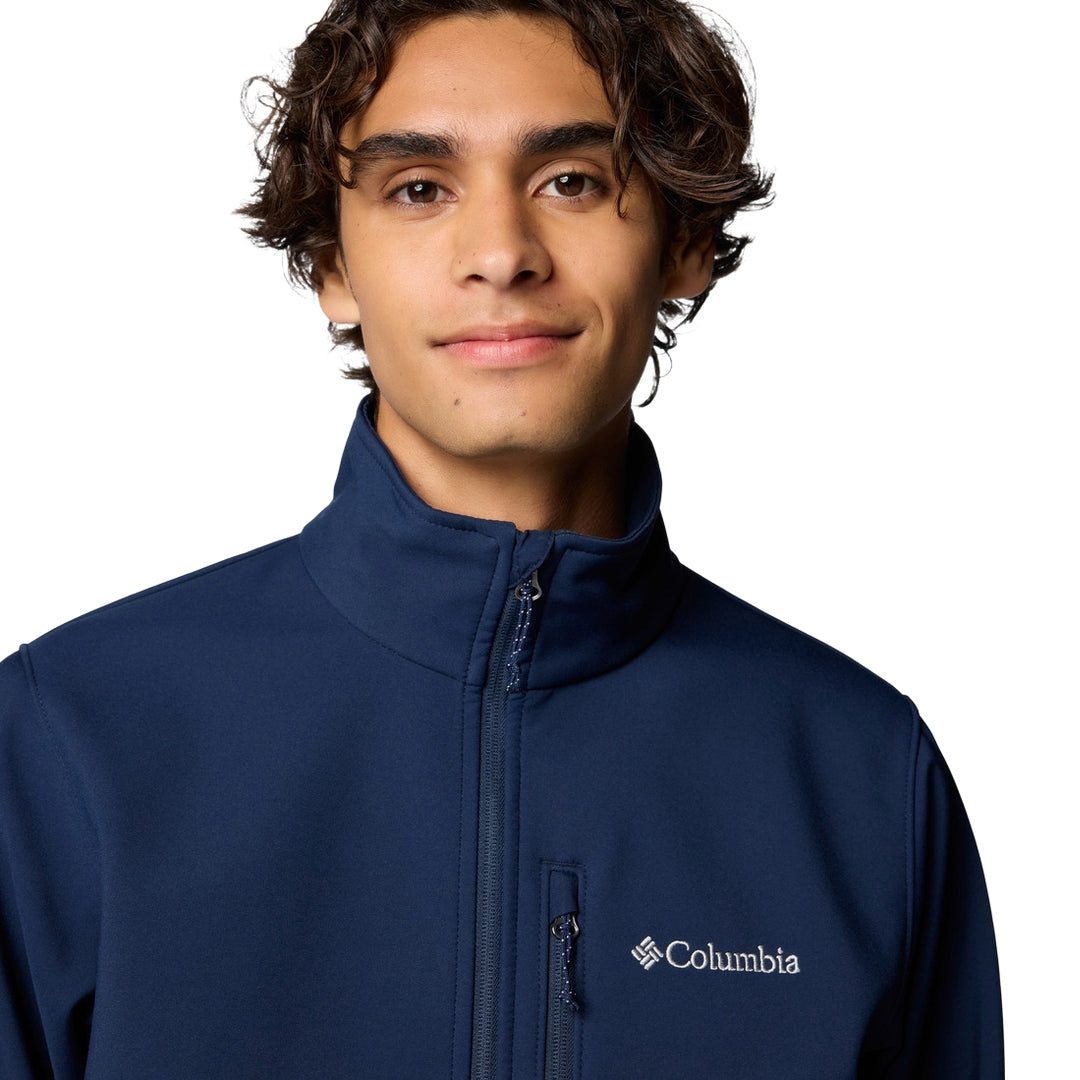




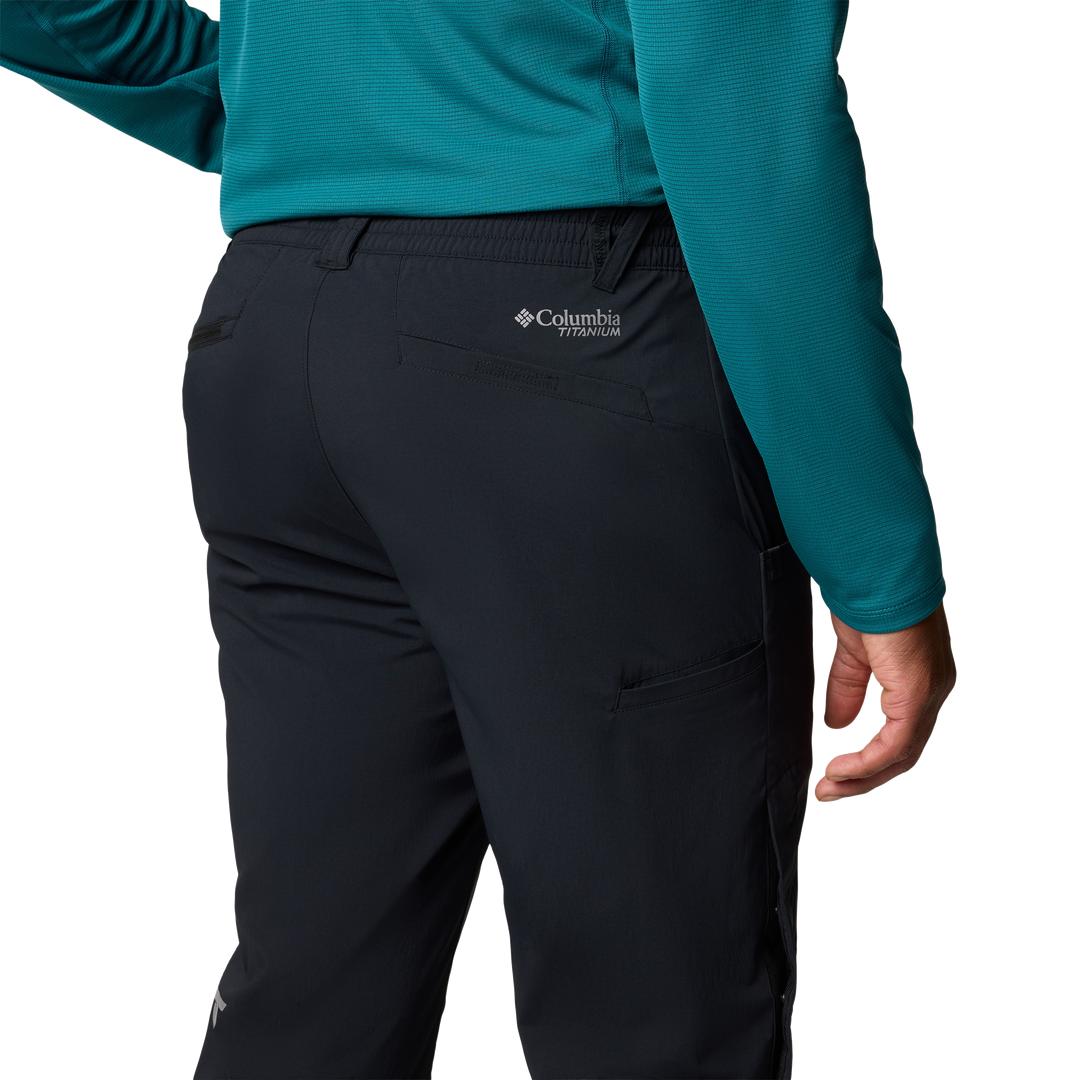
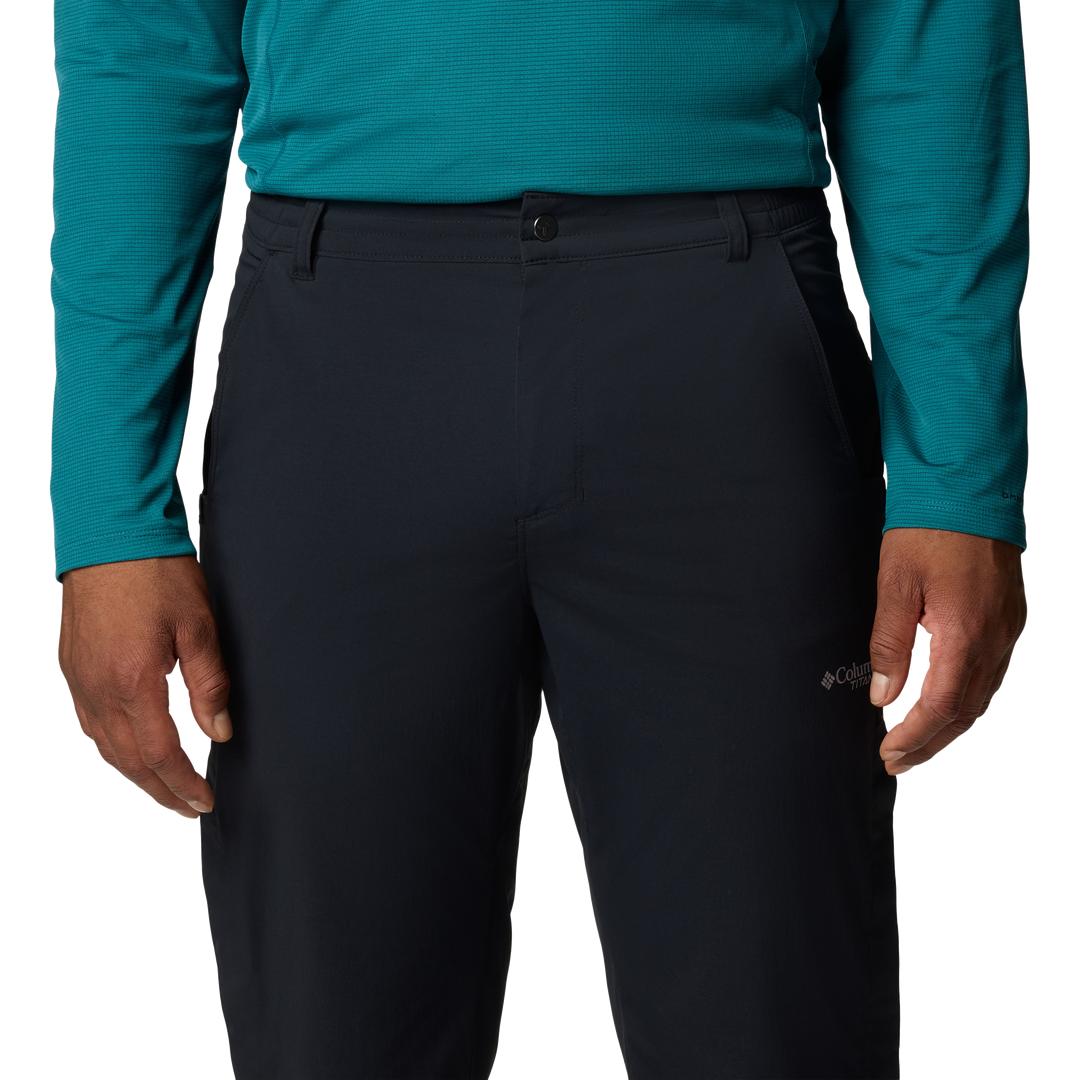
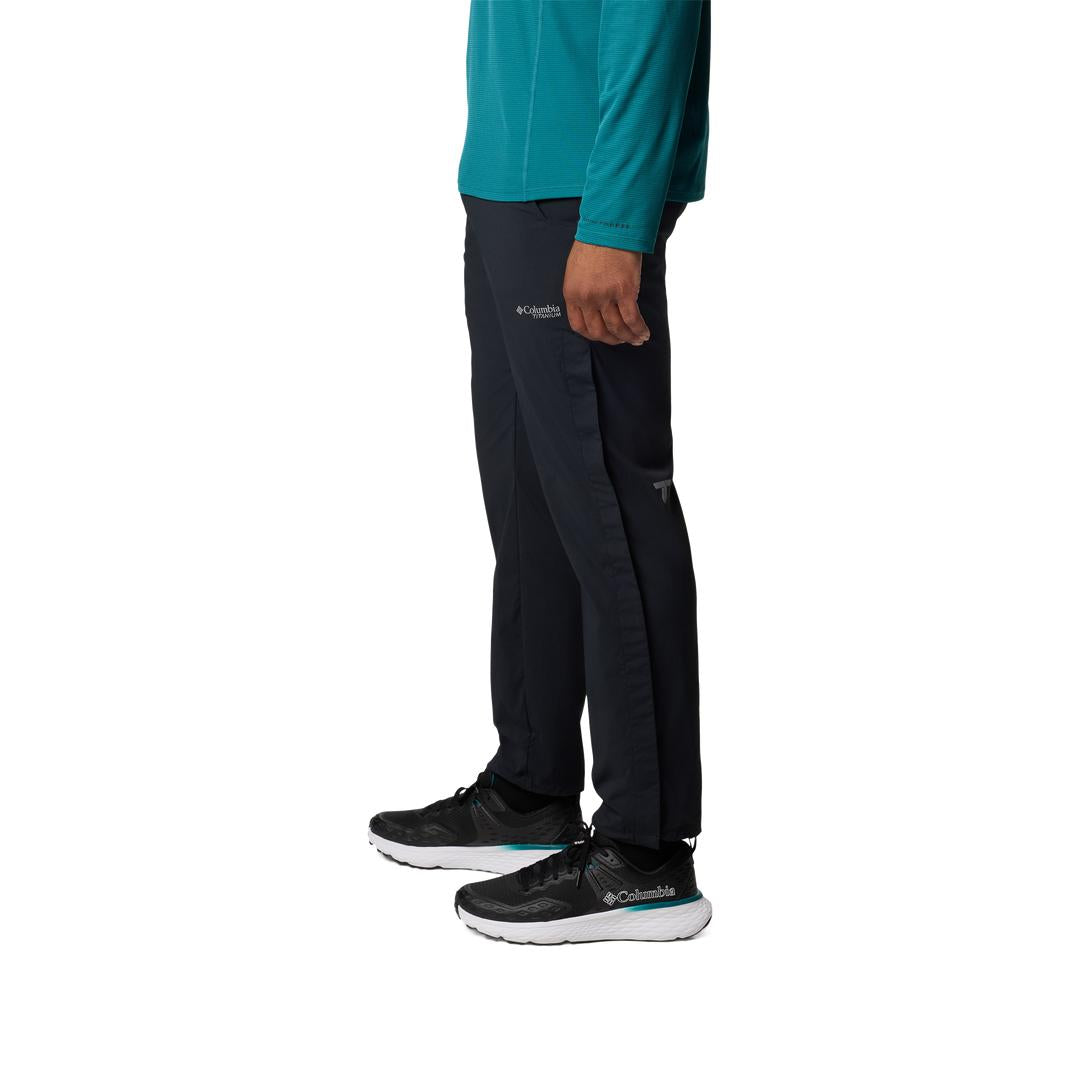
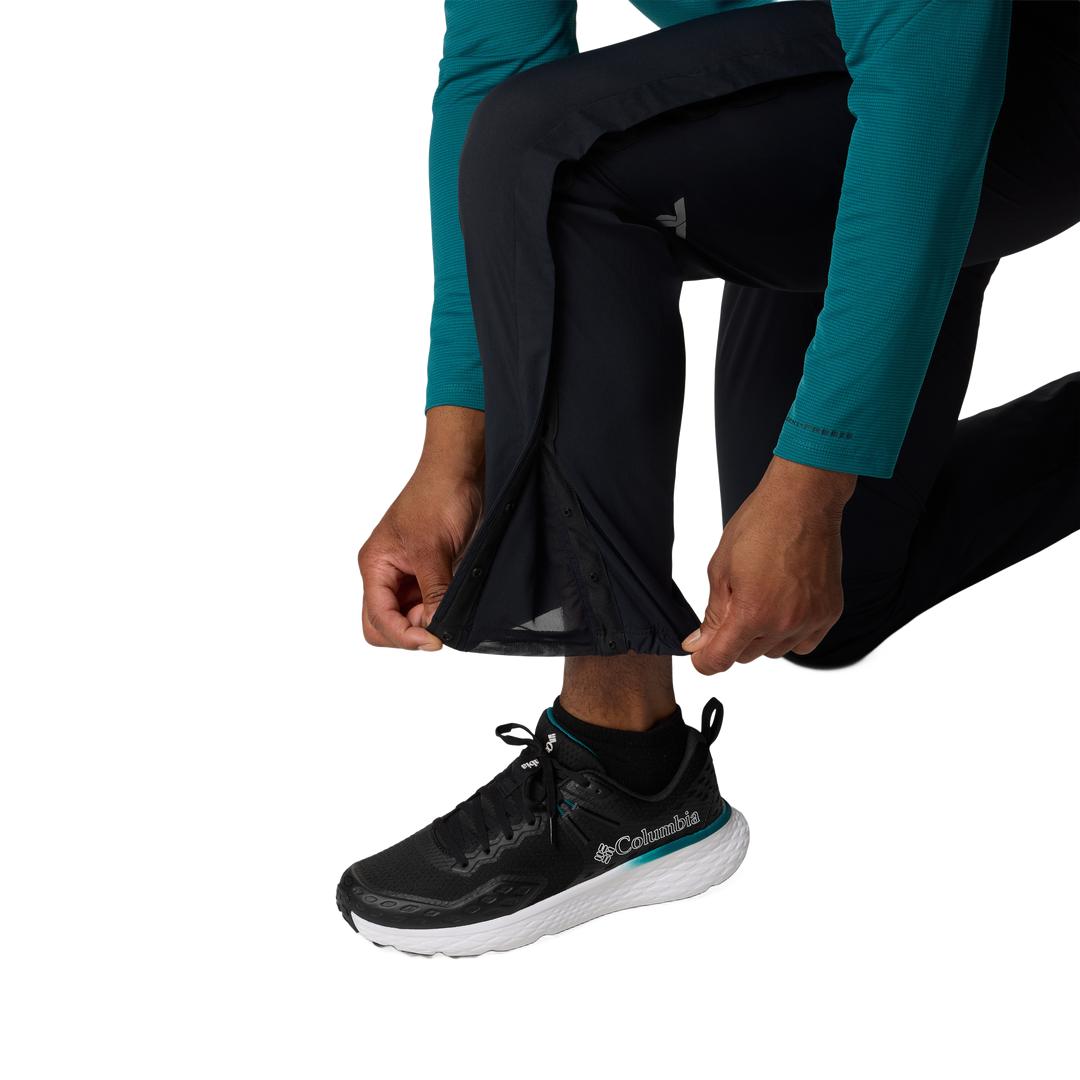






Buying Guide
What do Columbia’s Omni technologies actually do?
Columbia builds its own performance fabrics, and each one solves a specific problem you will meet on a Philippine trail. Here is what they do and when they earn their place.
| Technology | What it does | When you need it here |
|---|---|---|
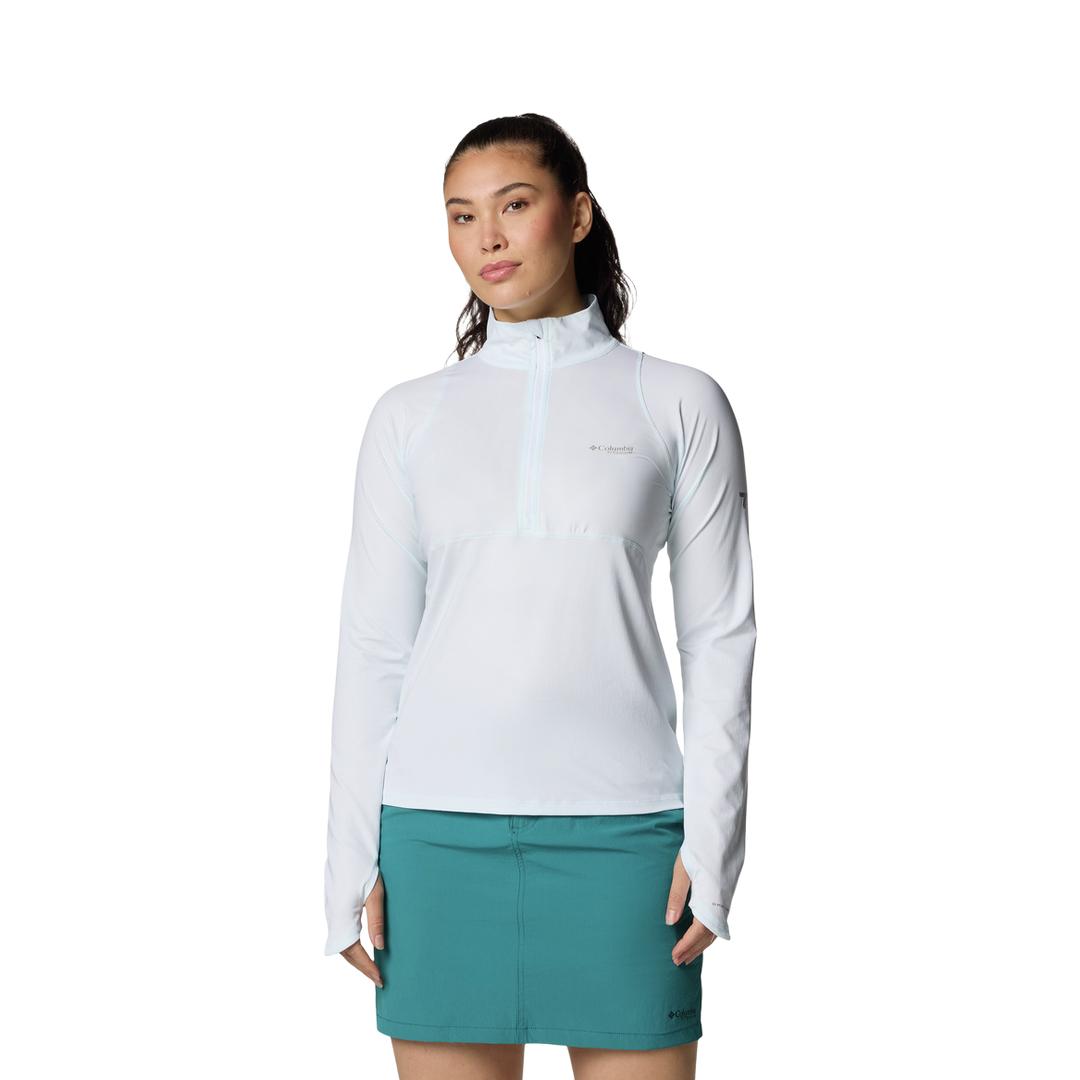
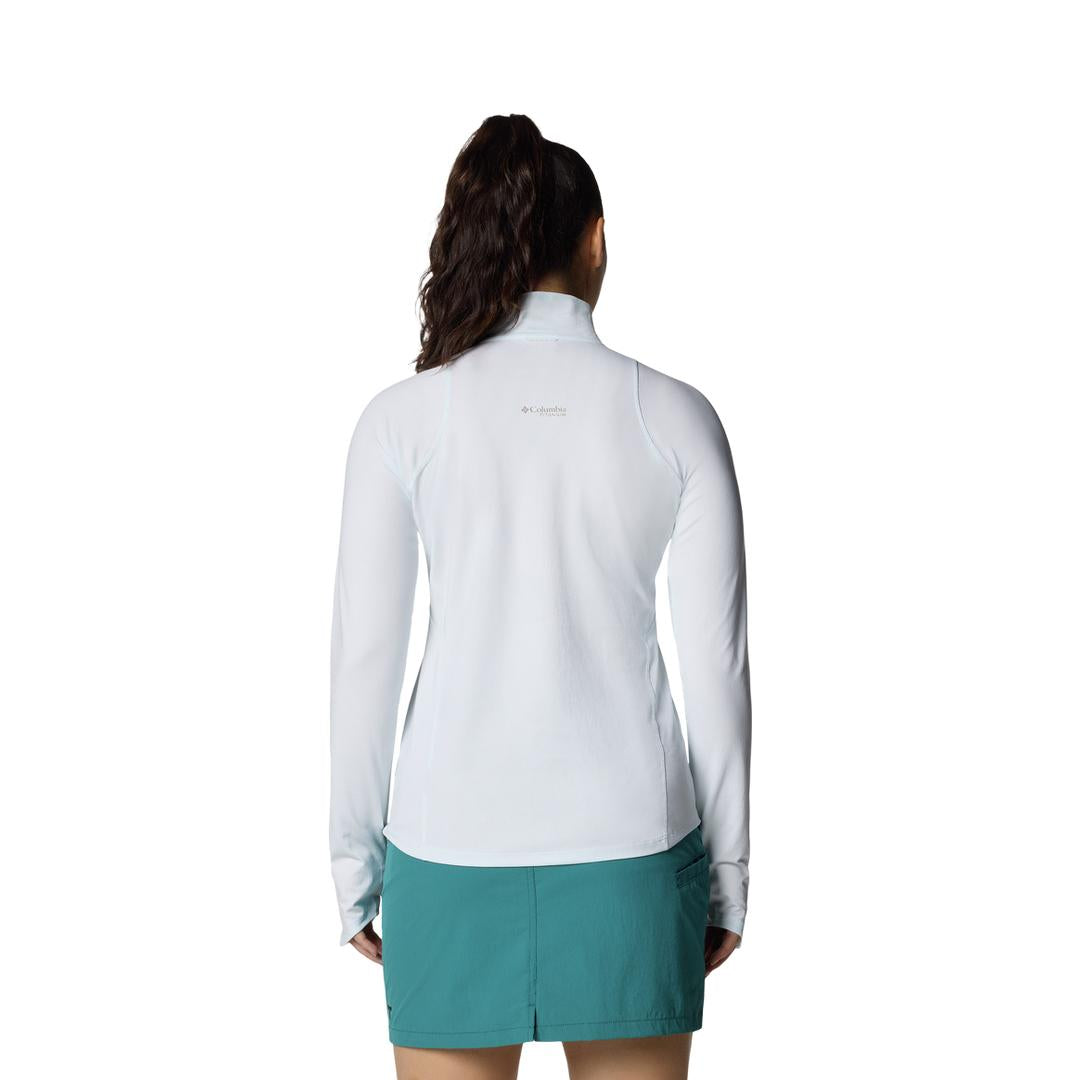
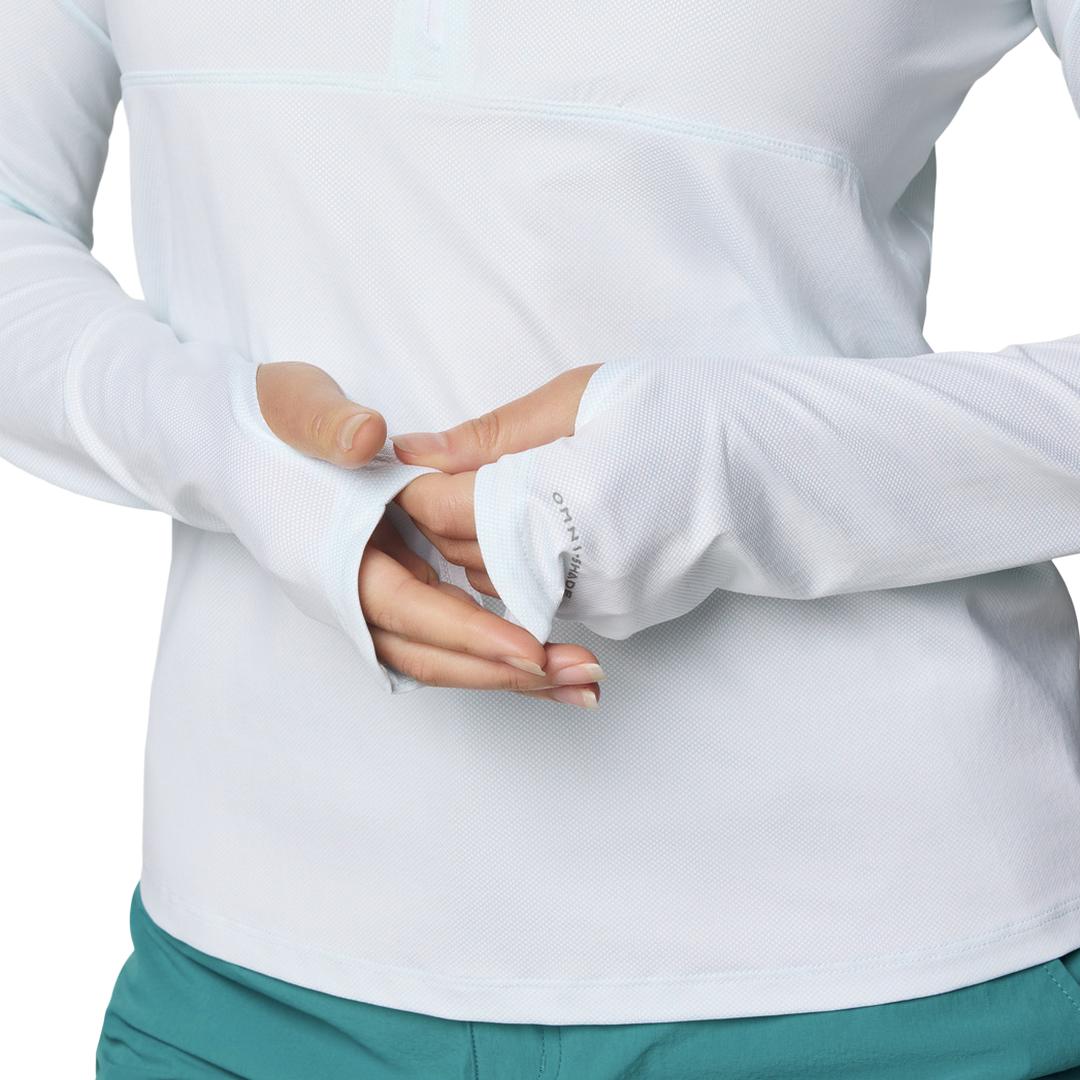
| Omni-Shade (UPF 50) | Blocks UVA and UVB through the fabric itself, not a coating. | Exposed ridgelines, long sun exposure, fishing, and beach days. |
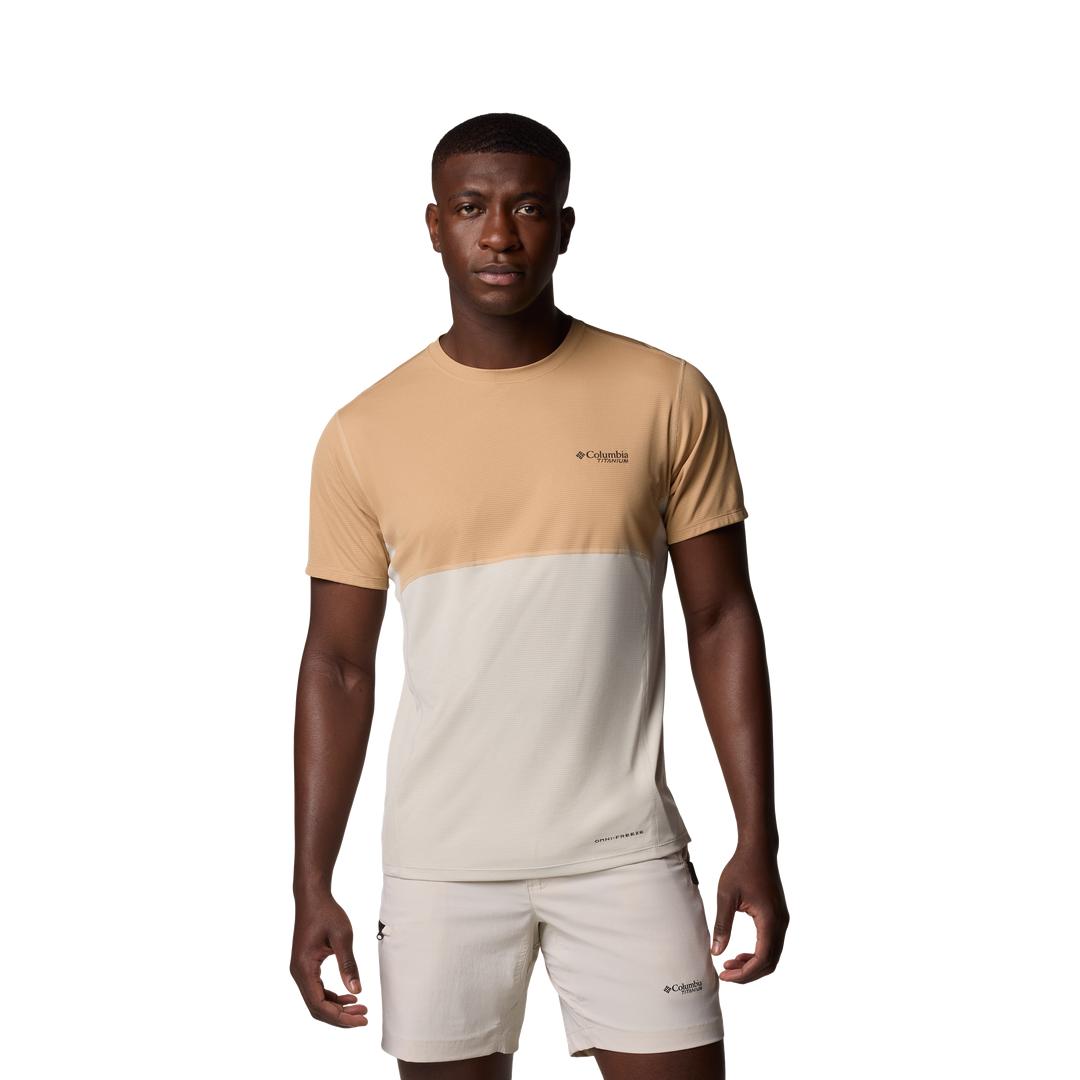
| Omni-Freeze Zero | Sweat-activated cooling rings that lower the fabric’s temperature. | The hottest lowland days and high-exertion climbs. |
| Omni-Wick | Pulls sweat to the surface so it evaporates faster. | Humid trails, base layers, and anything worn next to the skin. |
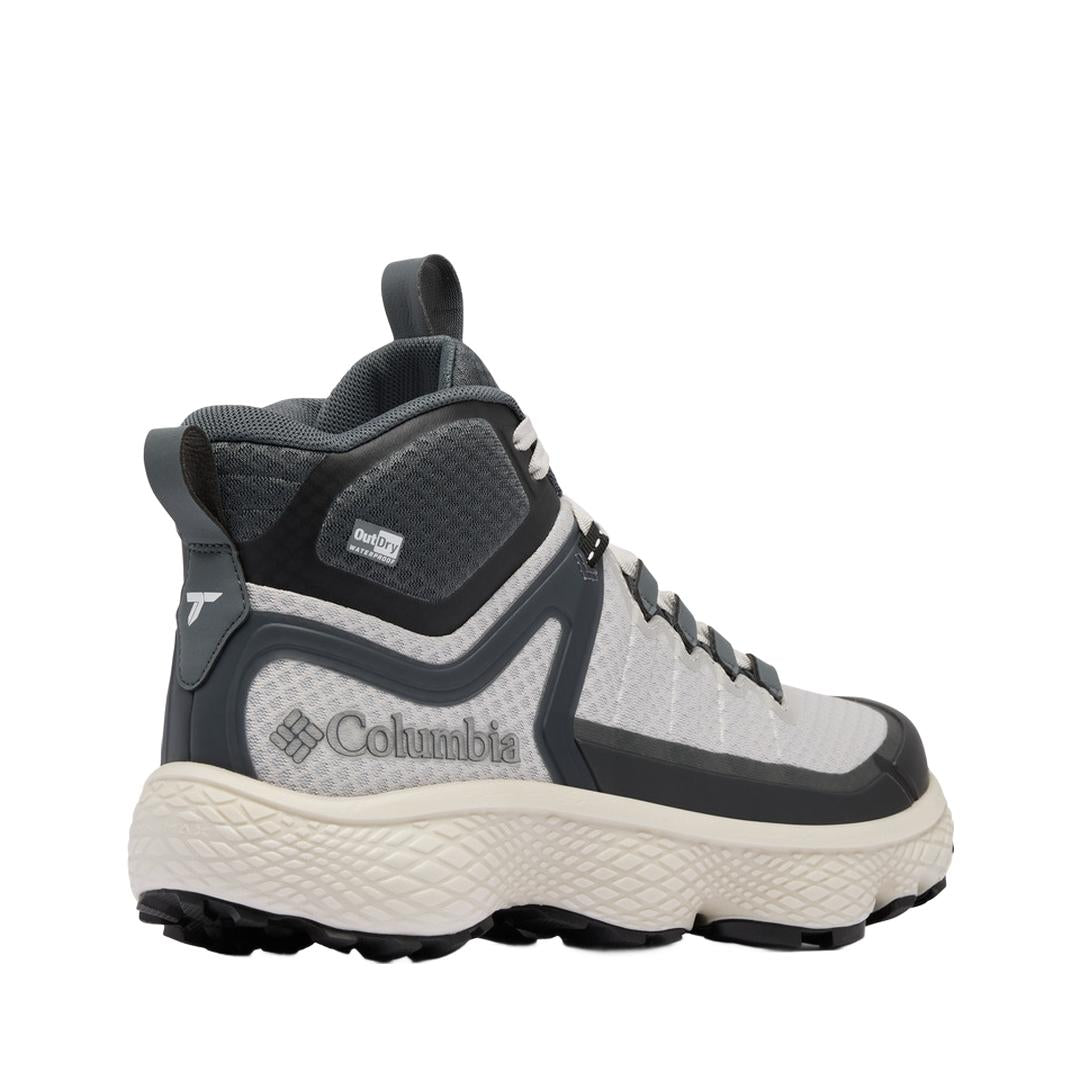
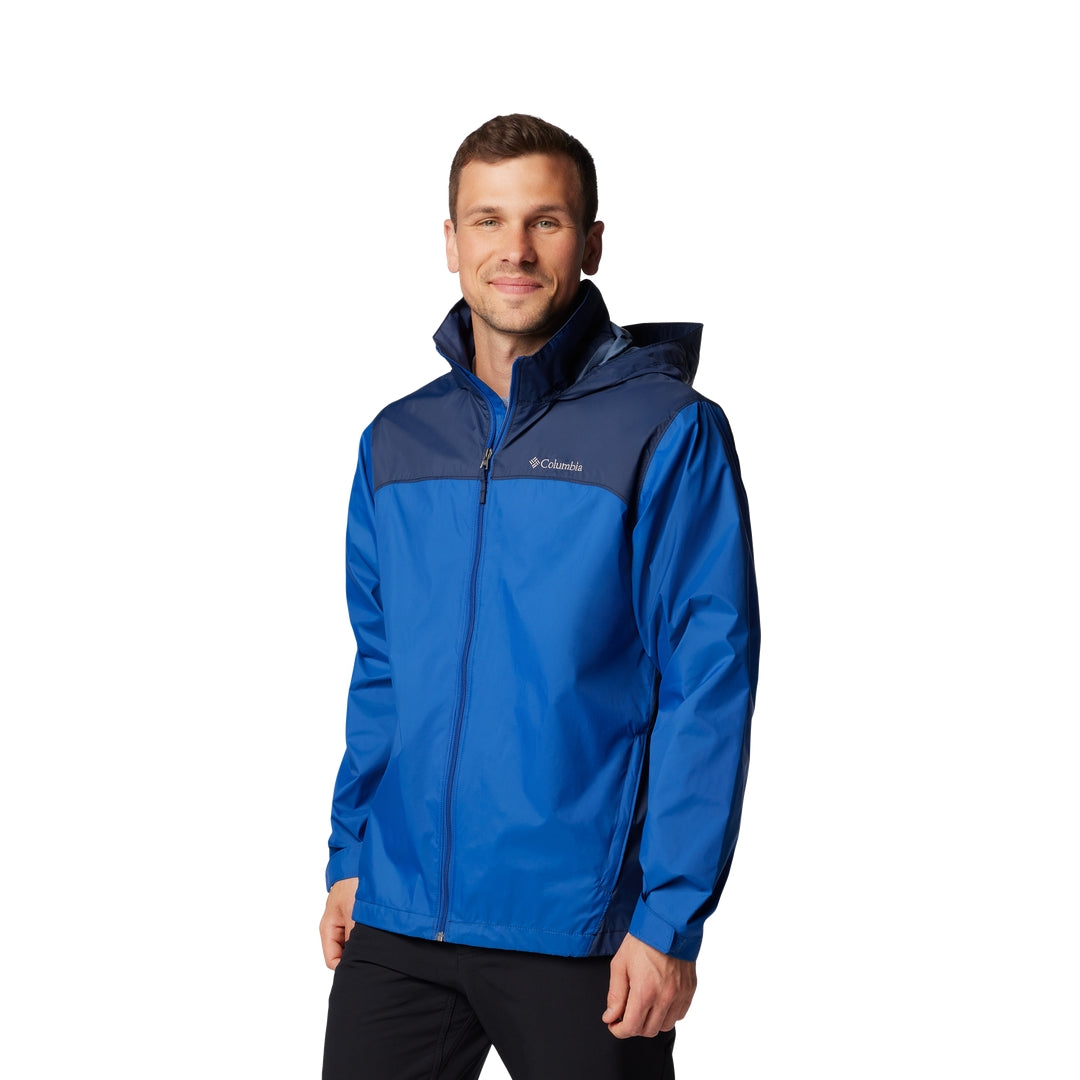
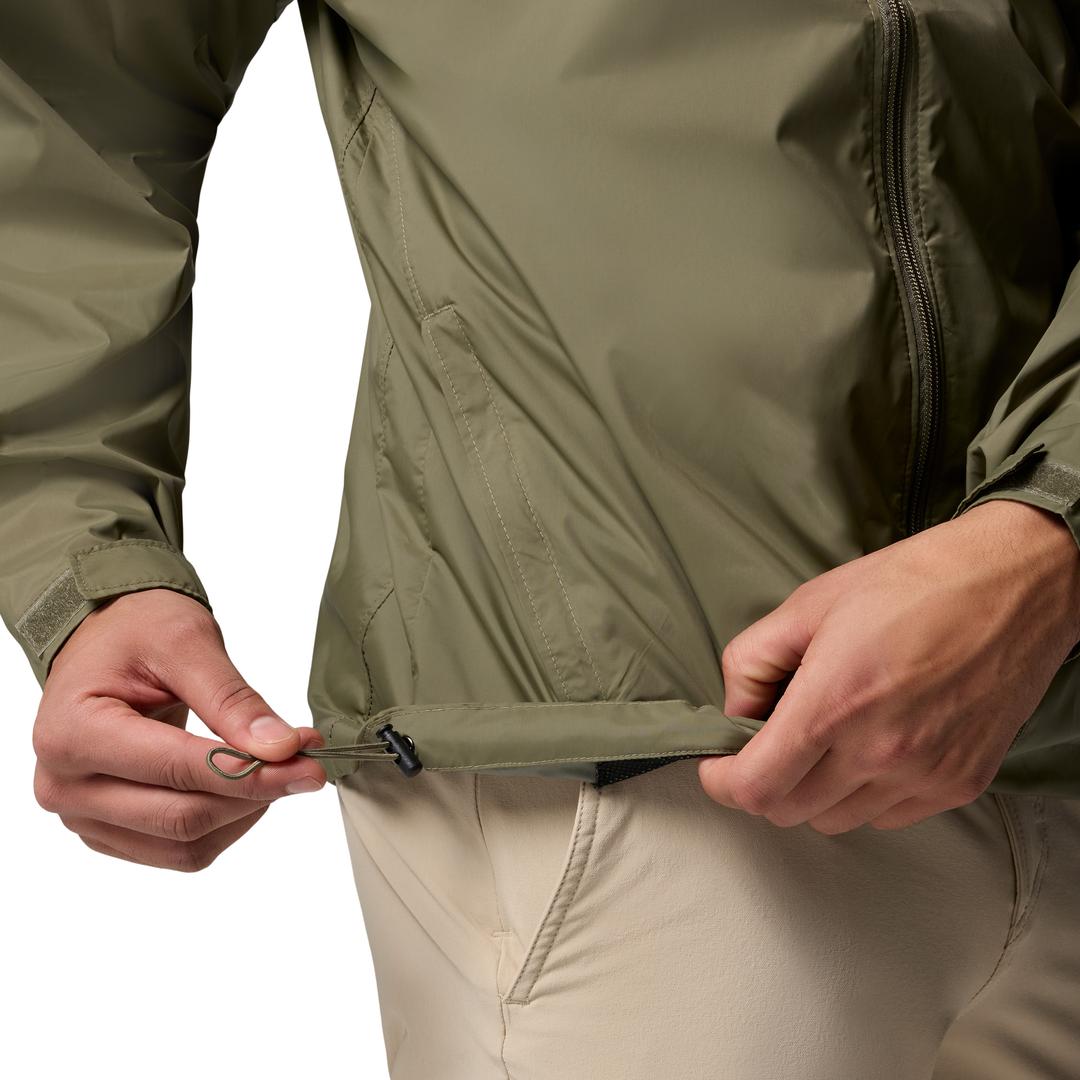
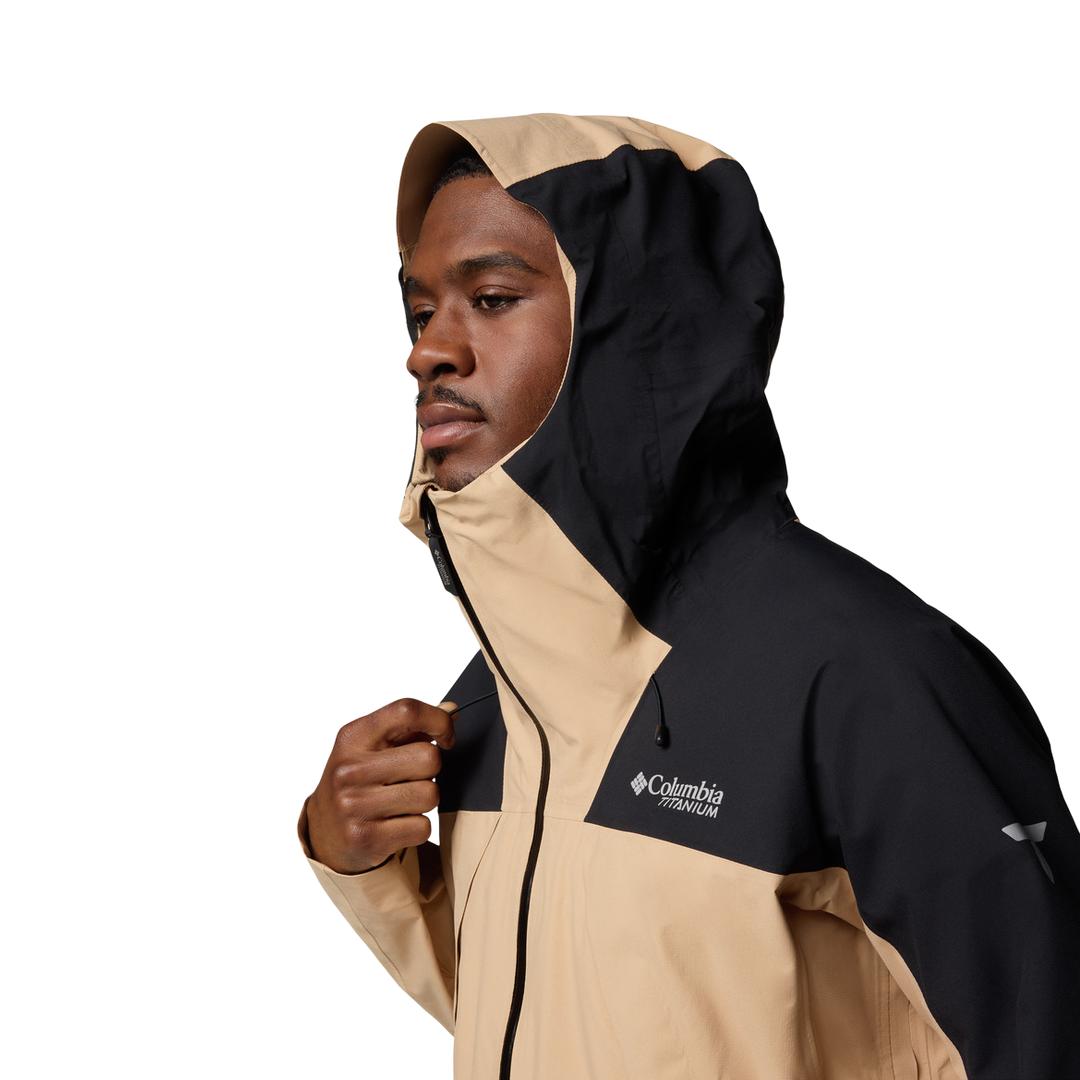
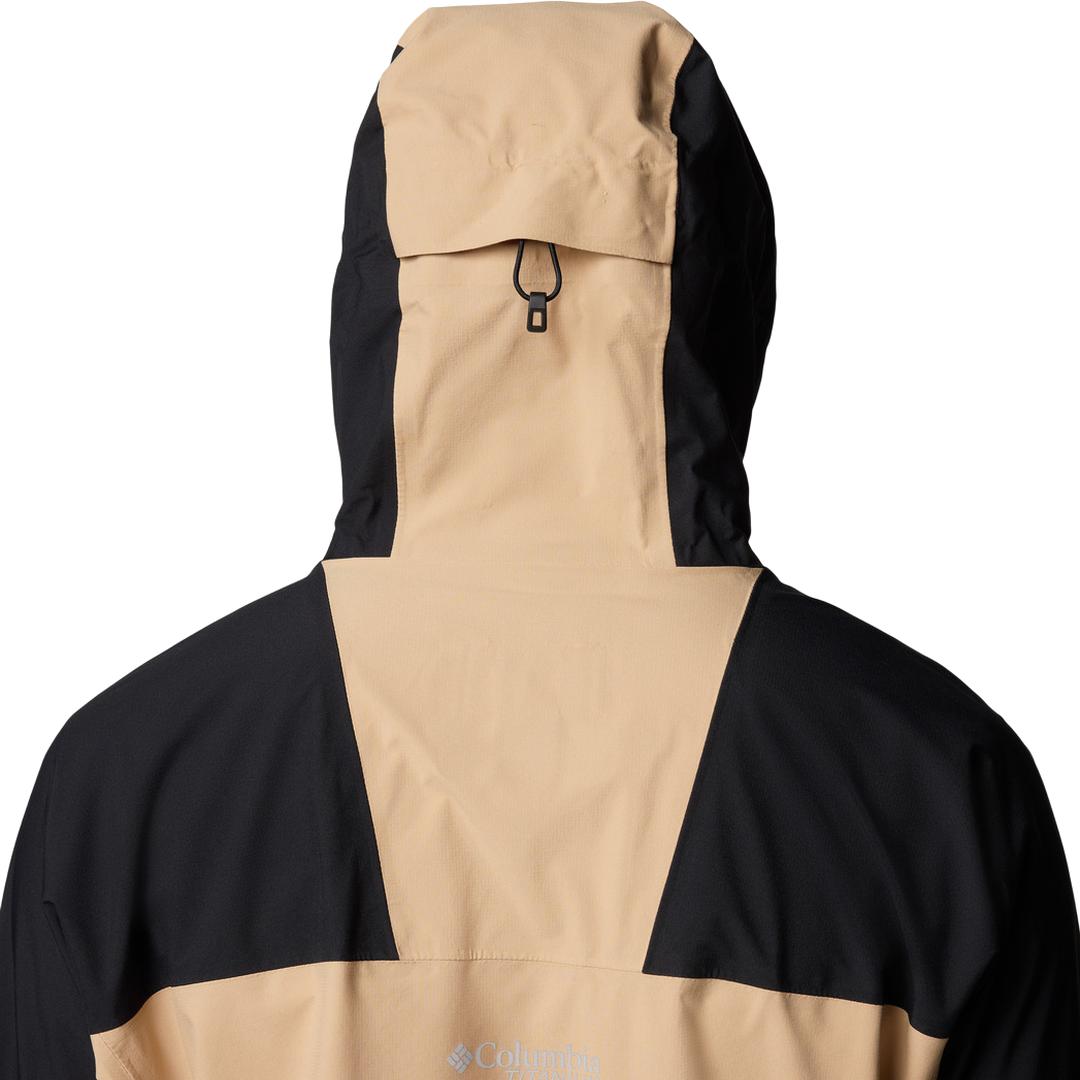
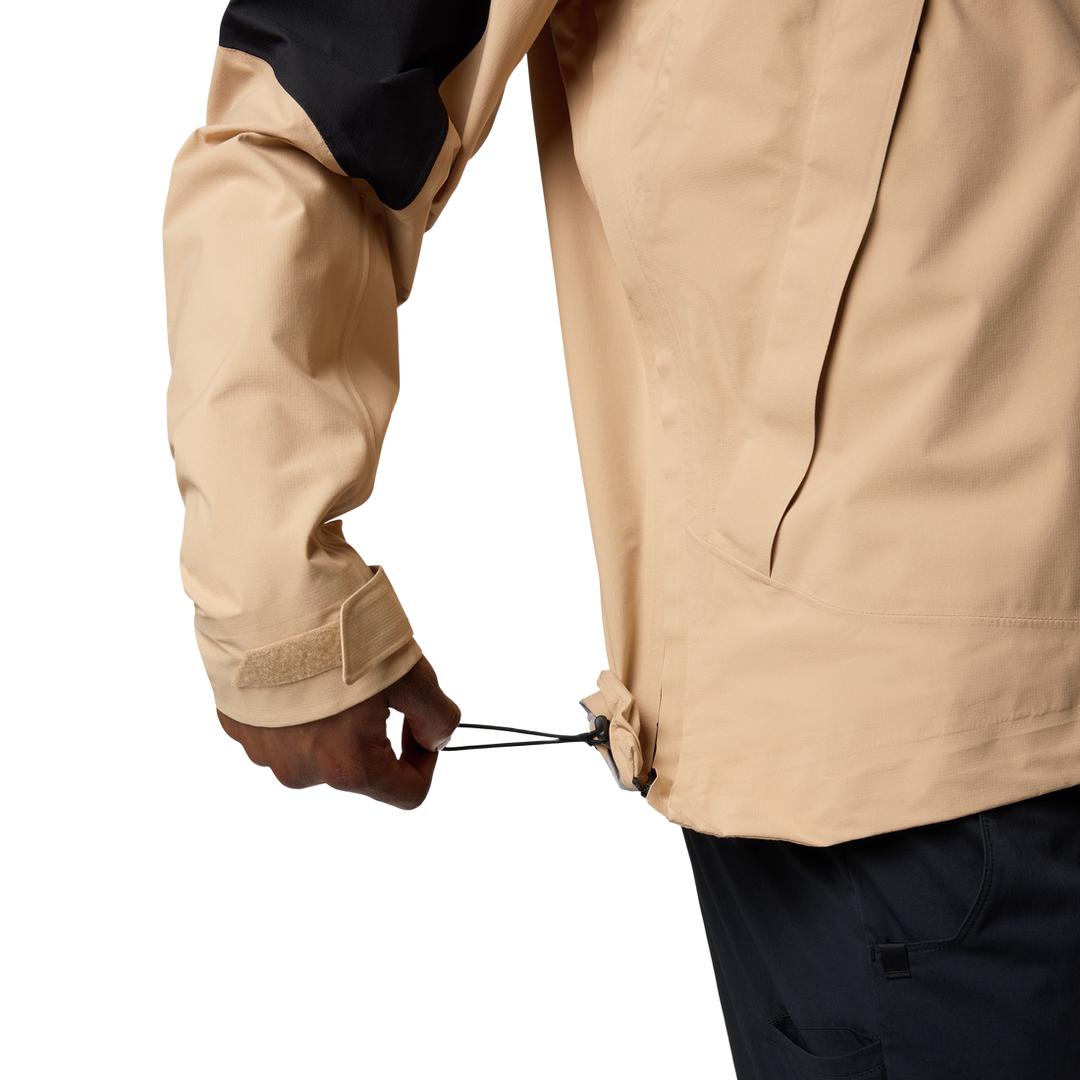
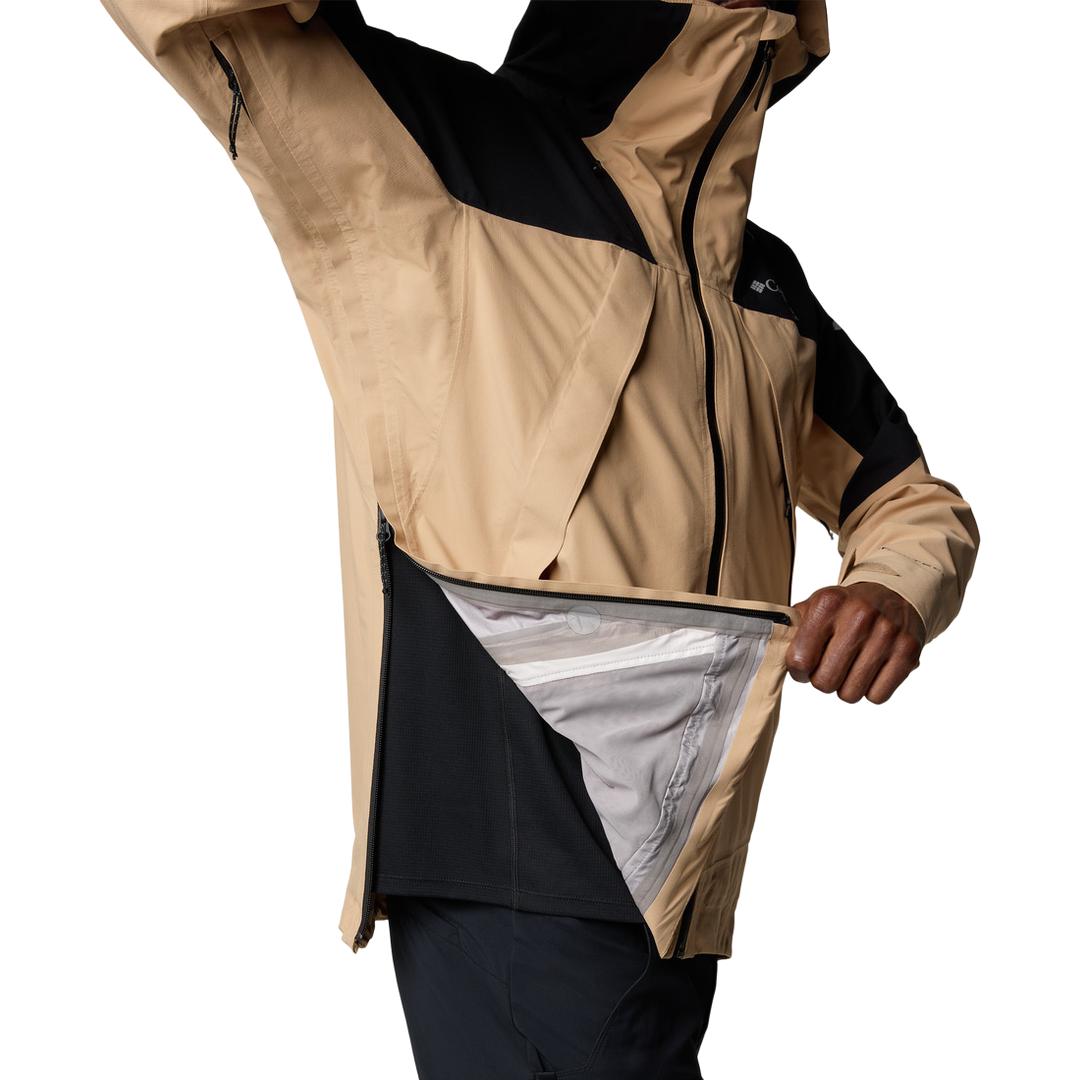
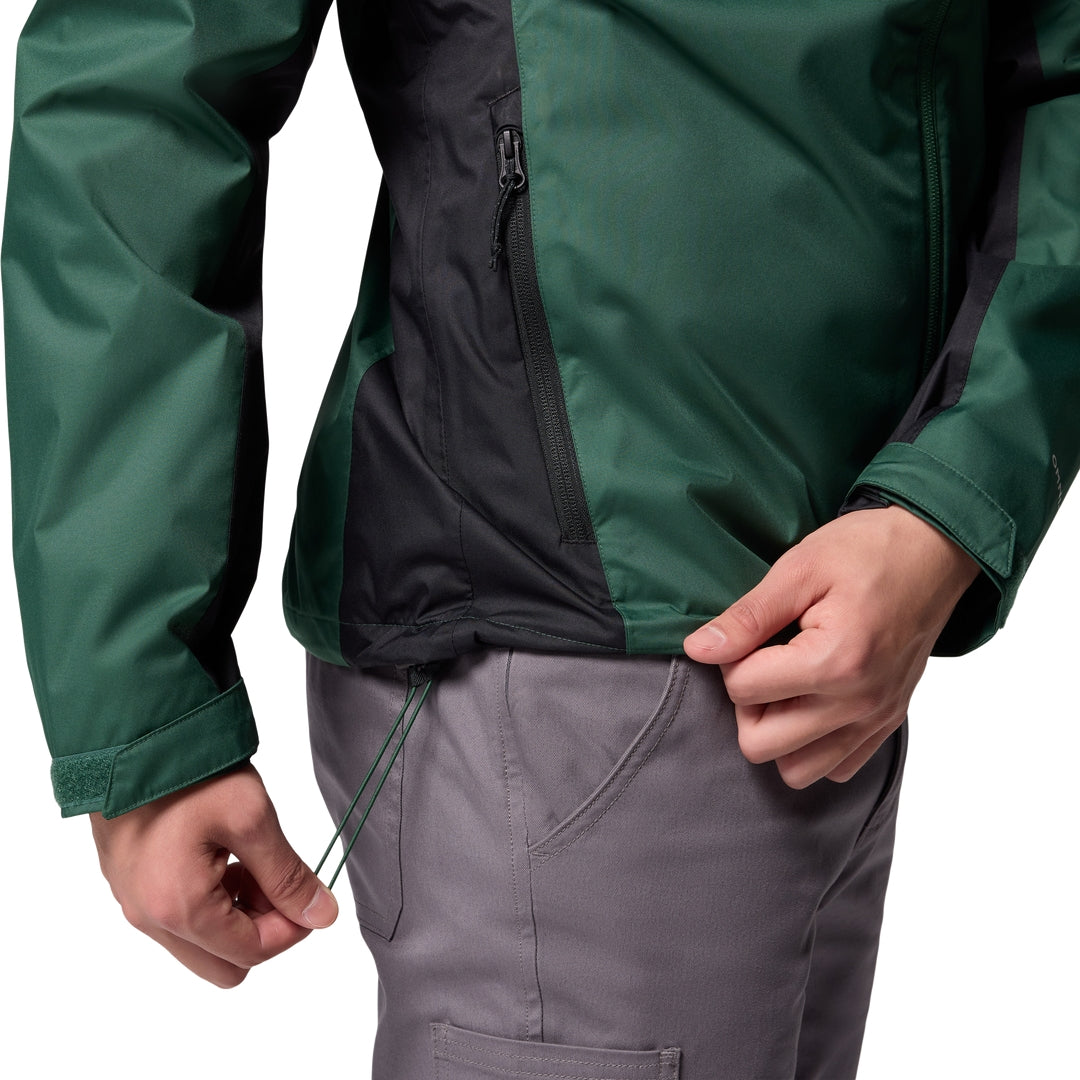
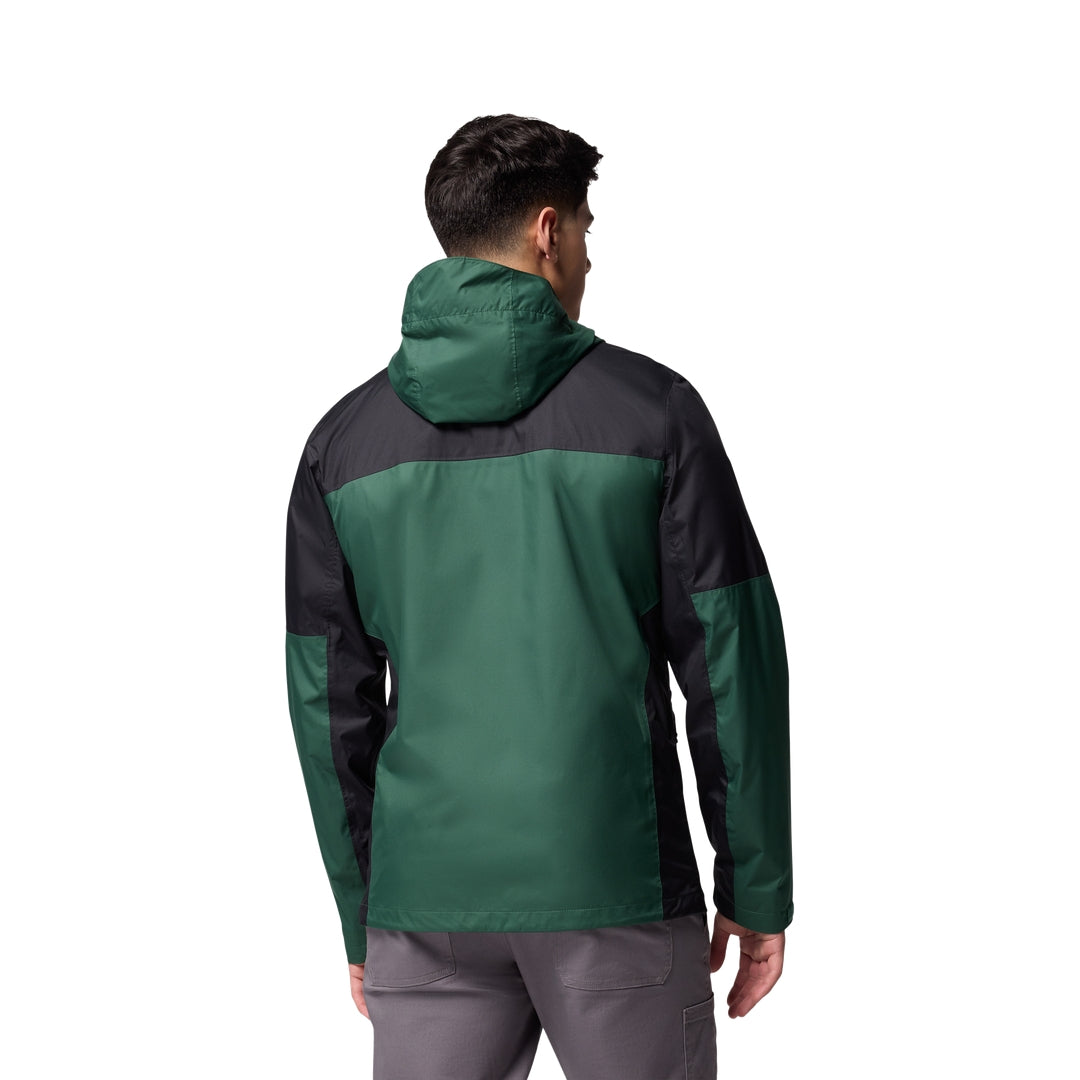
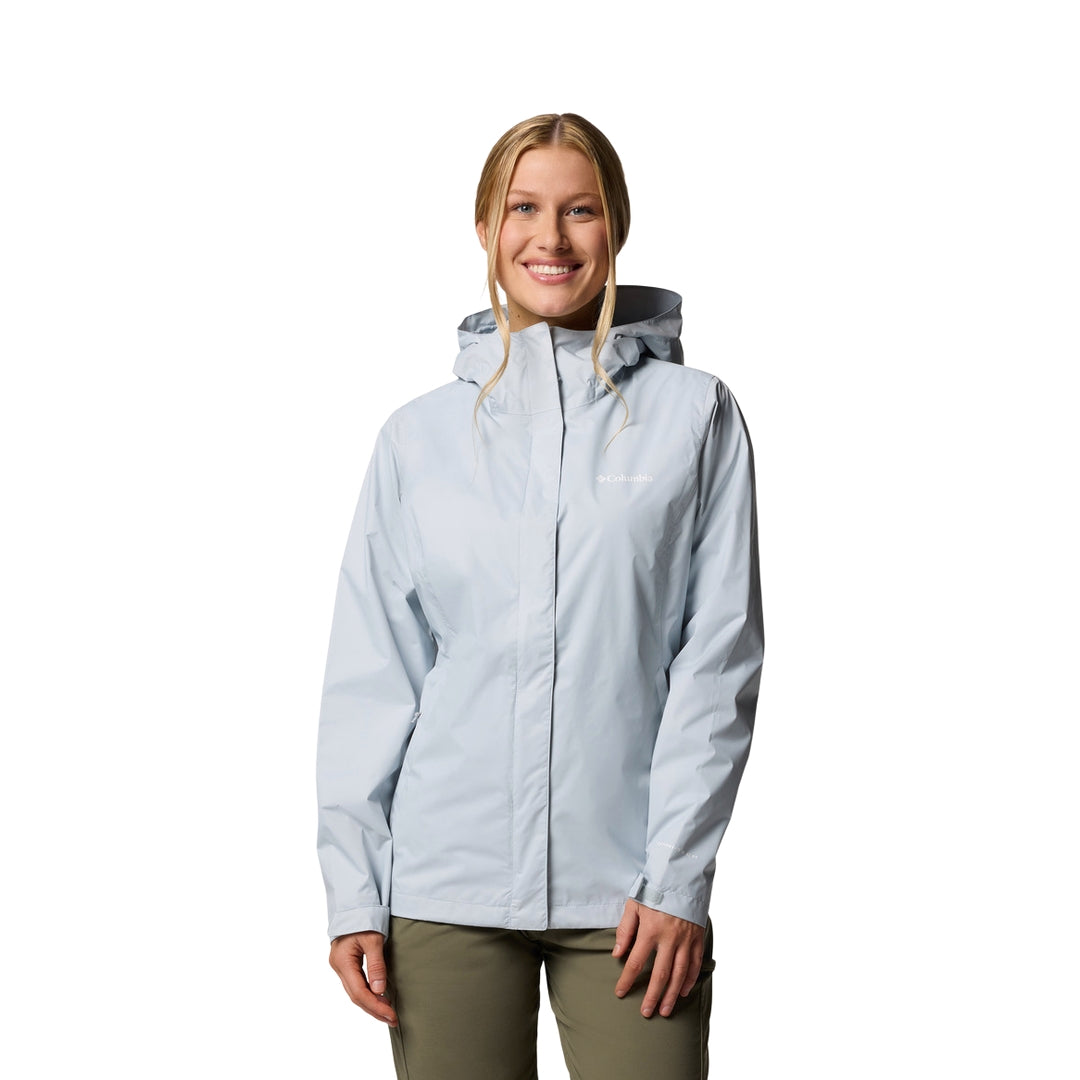
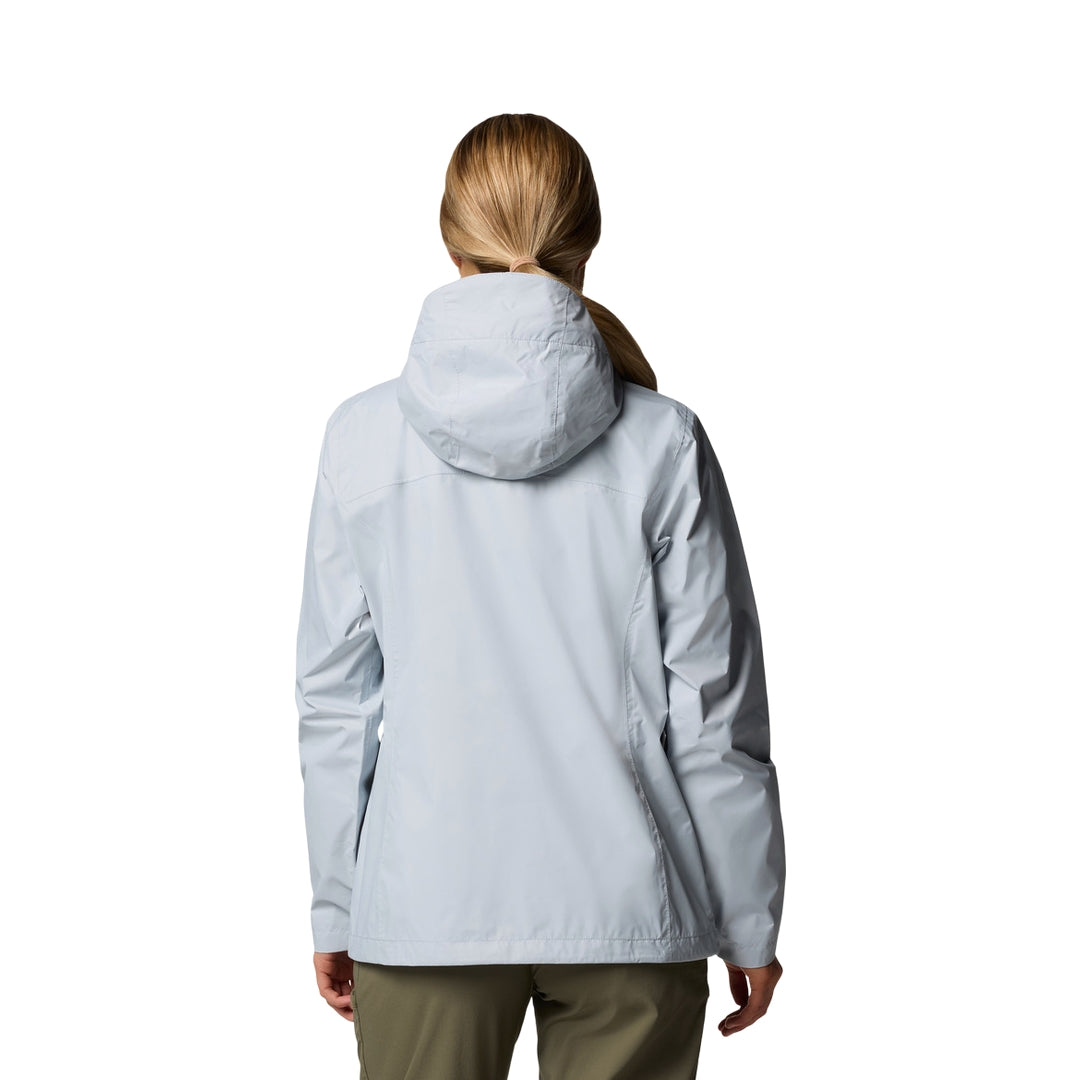
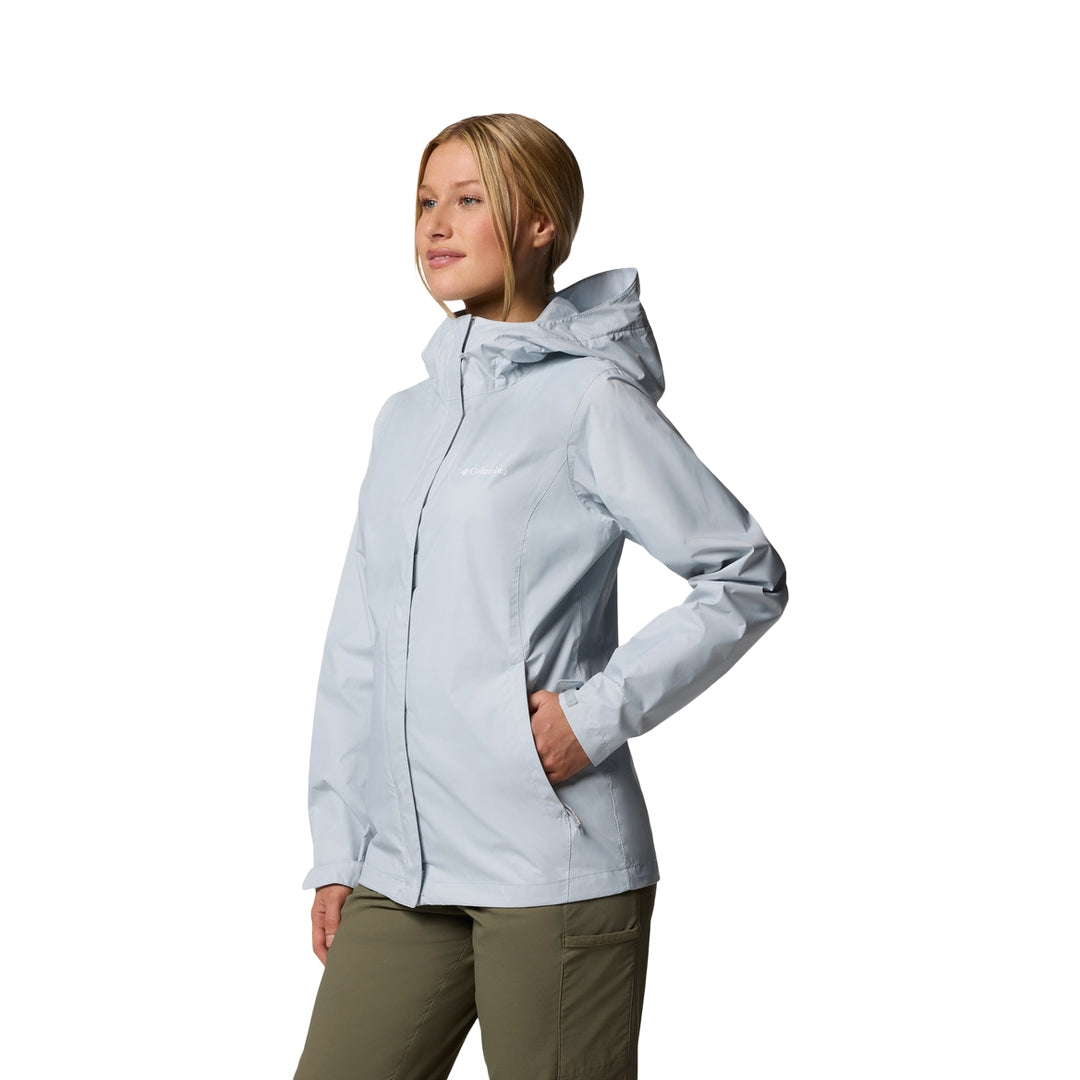
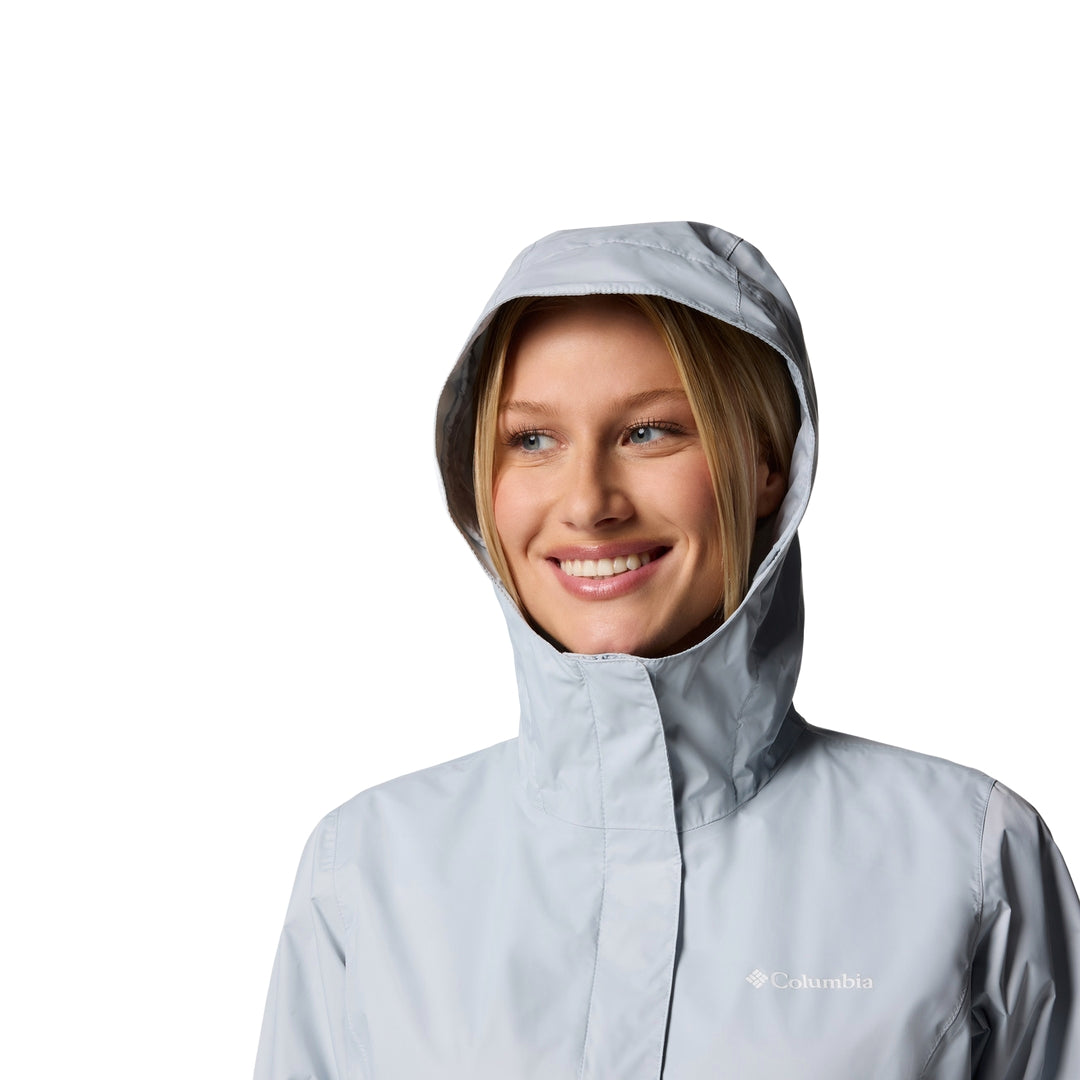
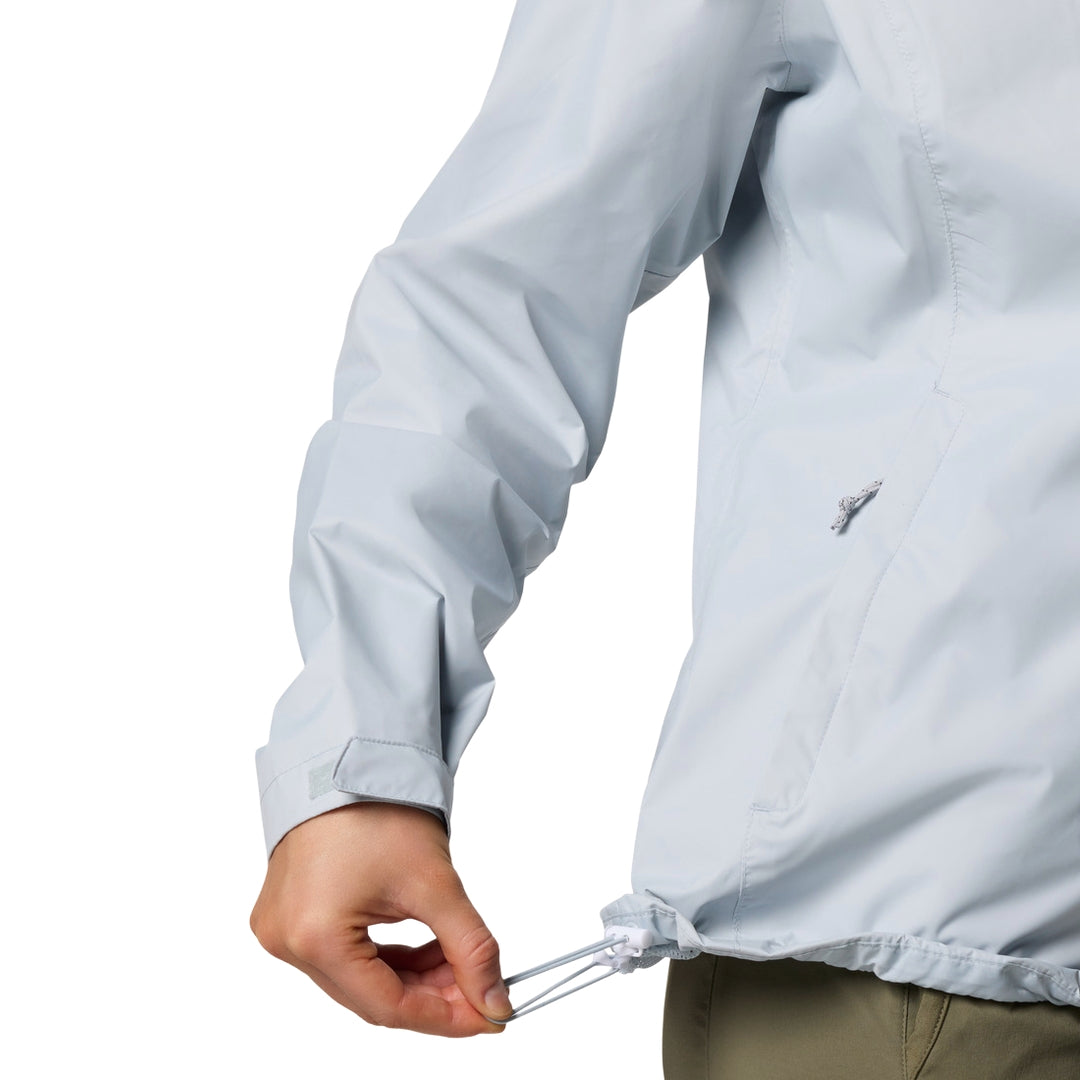
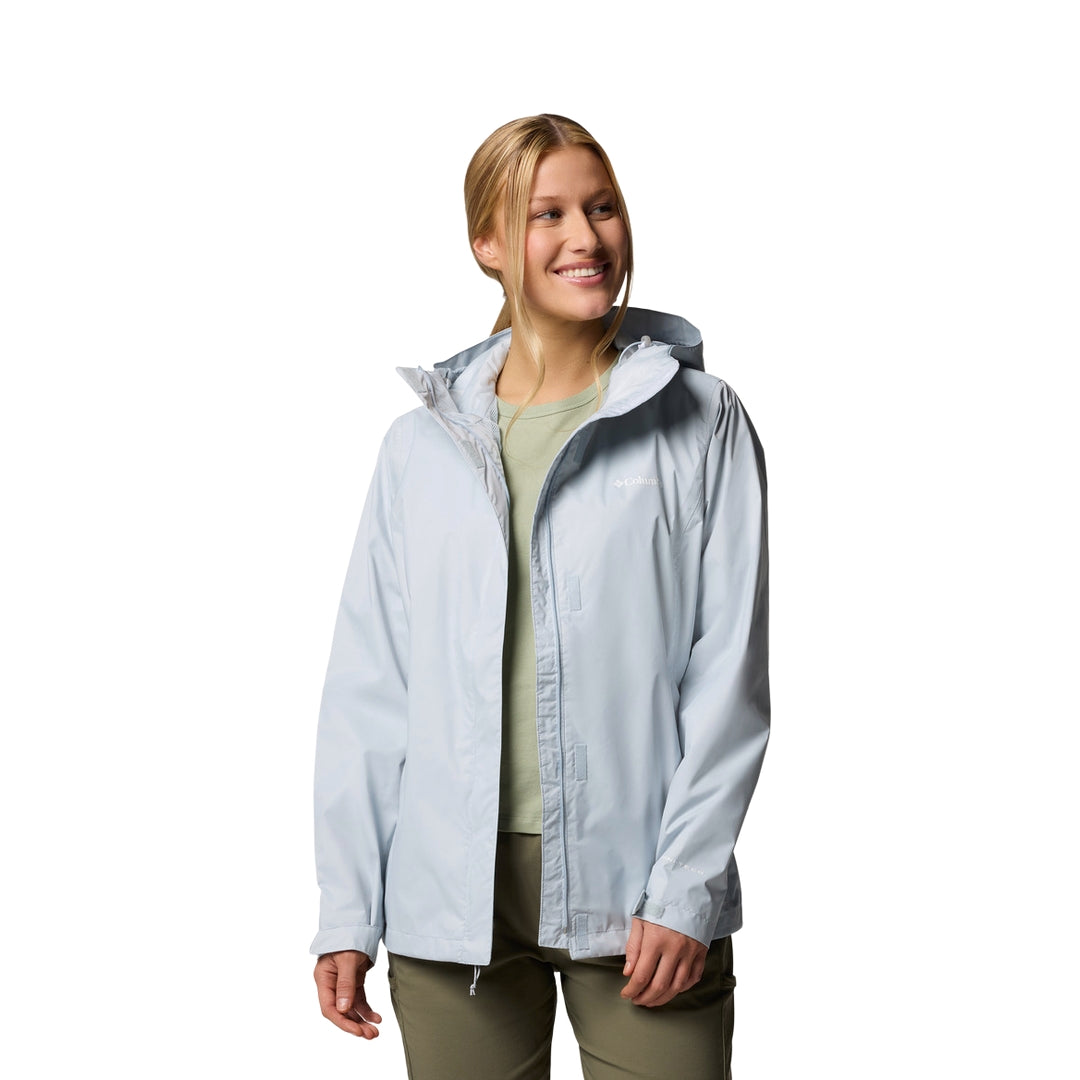
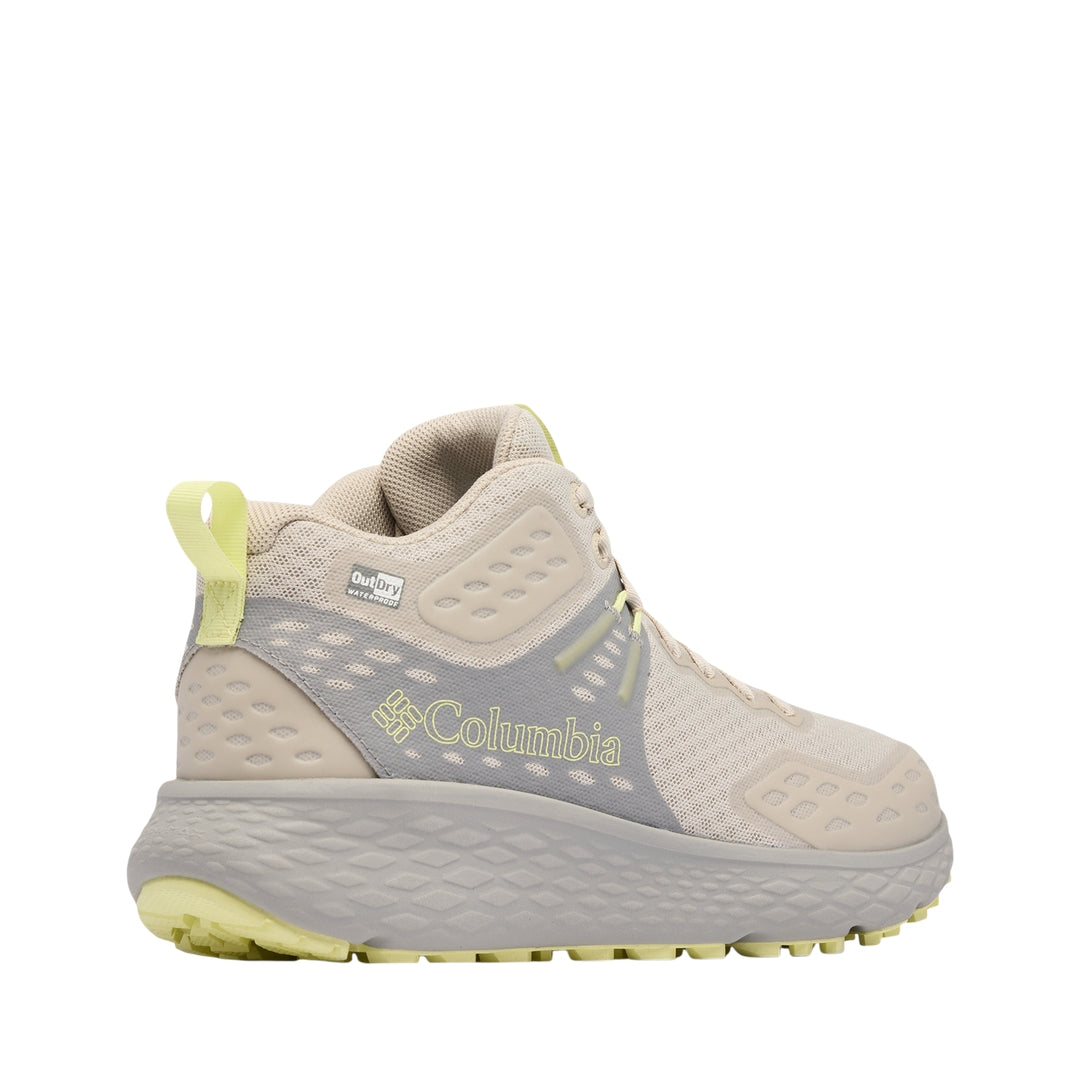
| Omni-Tech / OutDry | Waterproof-breathable membrane: rain out, sweat vapour out. | Sustained rain and wet, exposed sections. |
| Omni-Heat | Reflective lining that bounces body heat back, providing warmth without bulk. | Cold summits, altitude camps, and air-conditioned travel. |
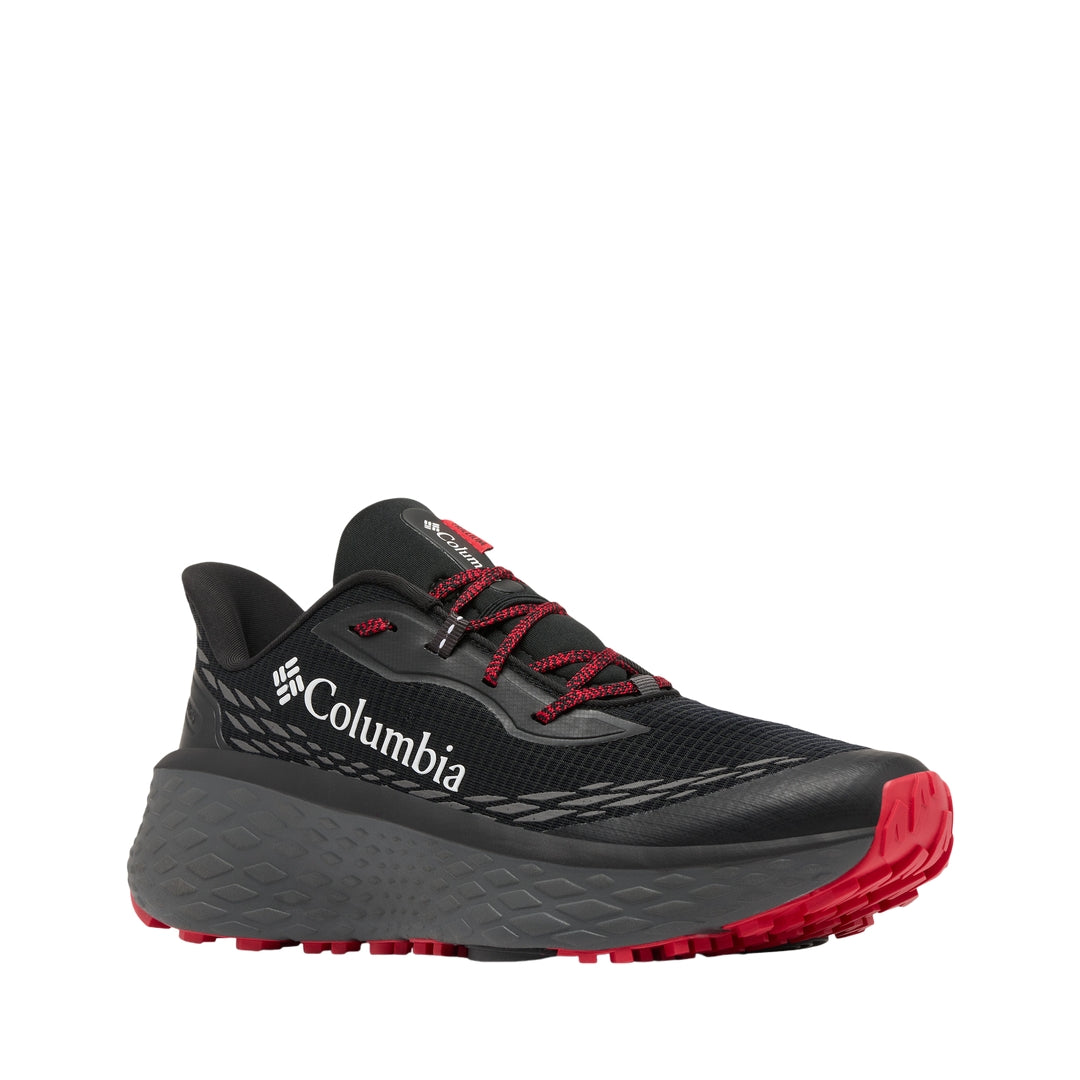
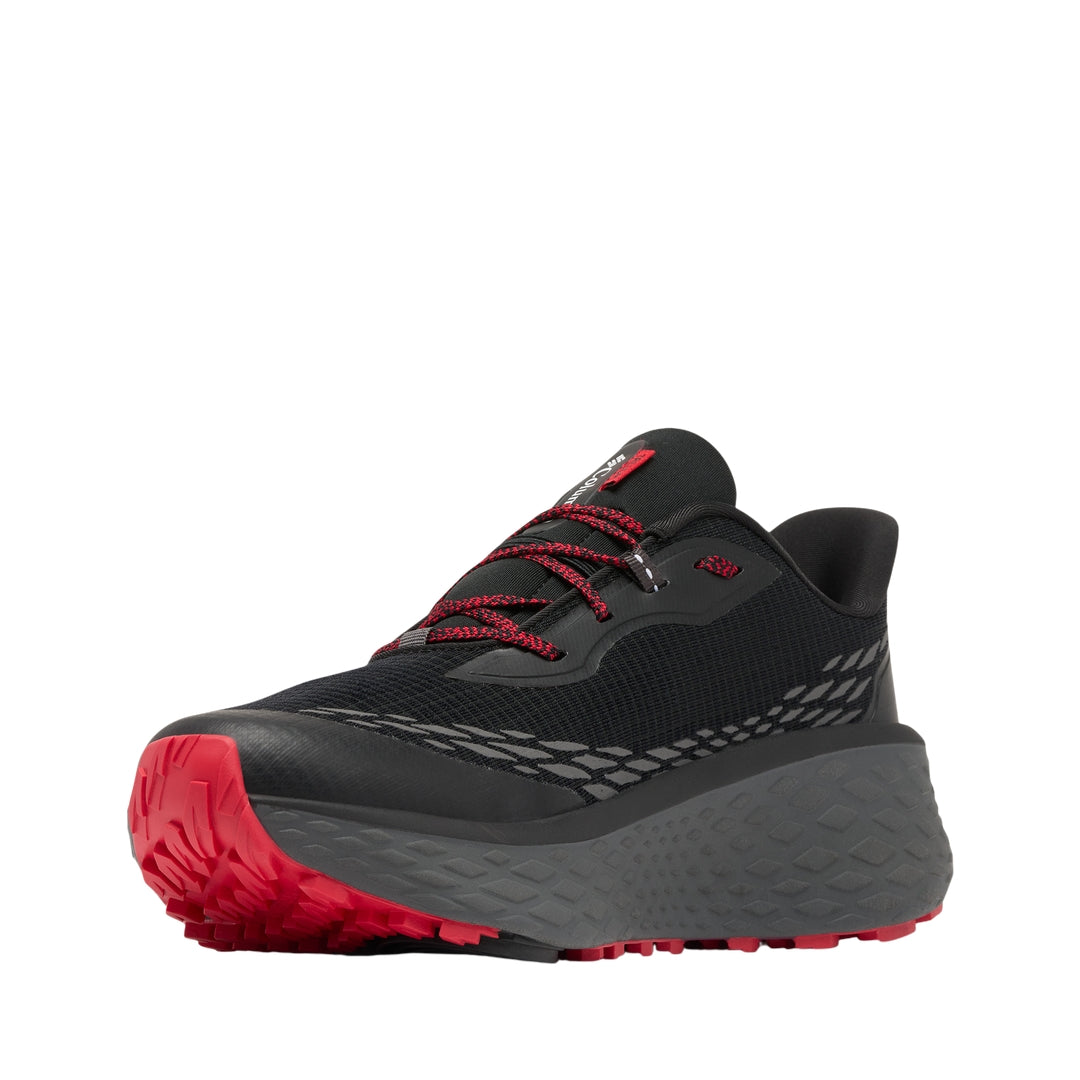
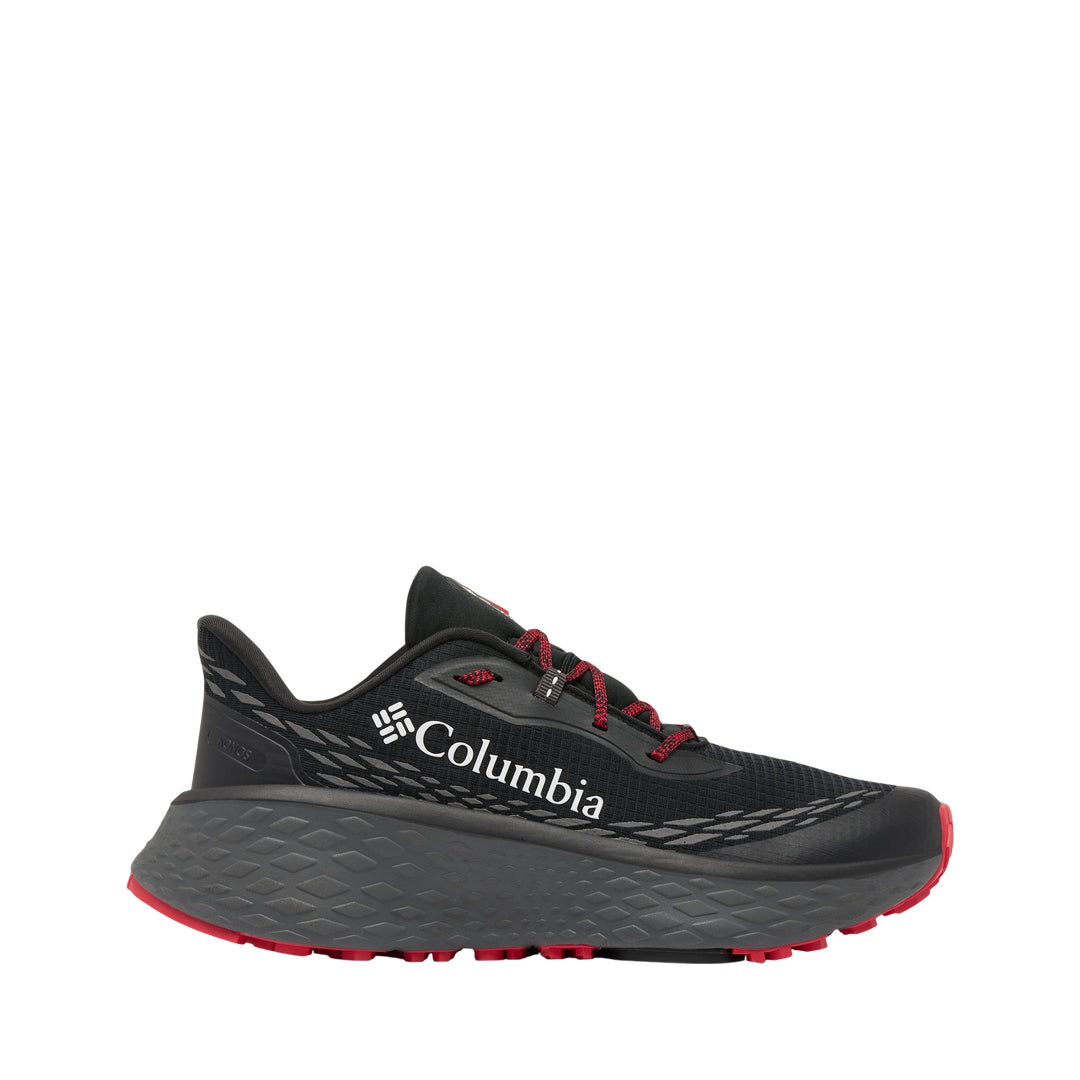
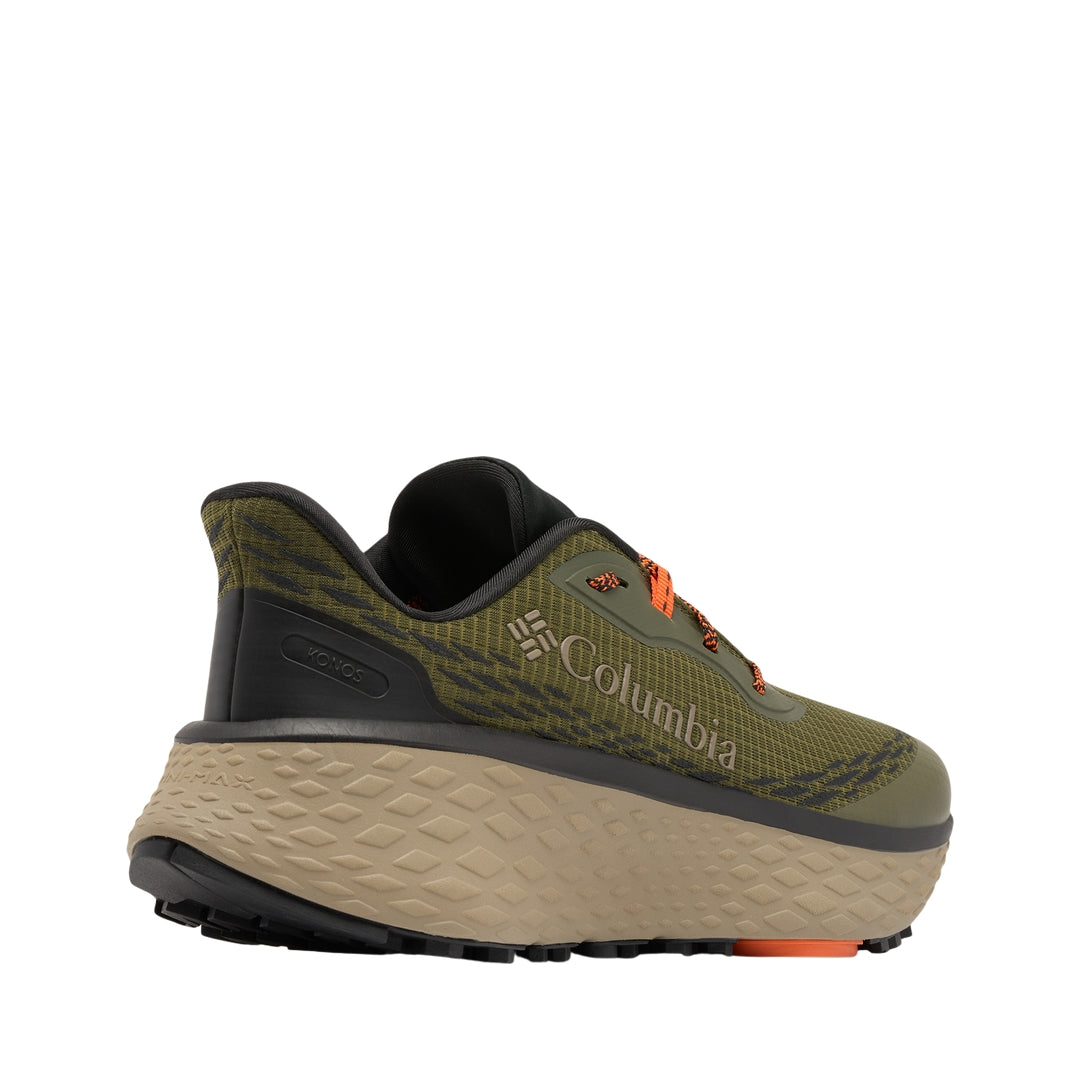
| Techlite | Lightweight midsole cushioning underfoot. | Long days on trails and pavement. |
Omni-Shade is worth a special note for the Philippines: because the sun protection is engineered into the fabric, it does not wash off the way sunscreen rubs off, and Columbia’s UPF fabrics carry the Skin Cancer Foundation’s Seal of Recommendation. UPF 50 blocks roughly 98% of UV rays.
Which Columbia clothing should you wear for hot, humid trails?
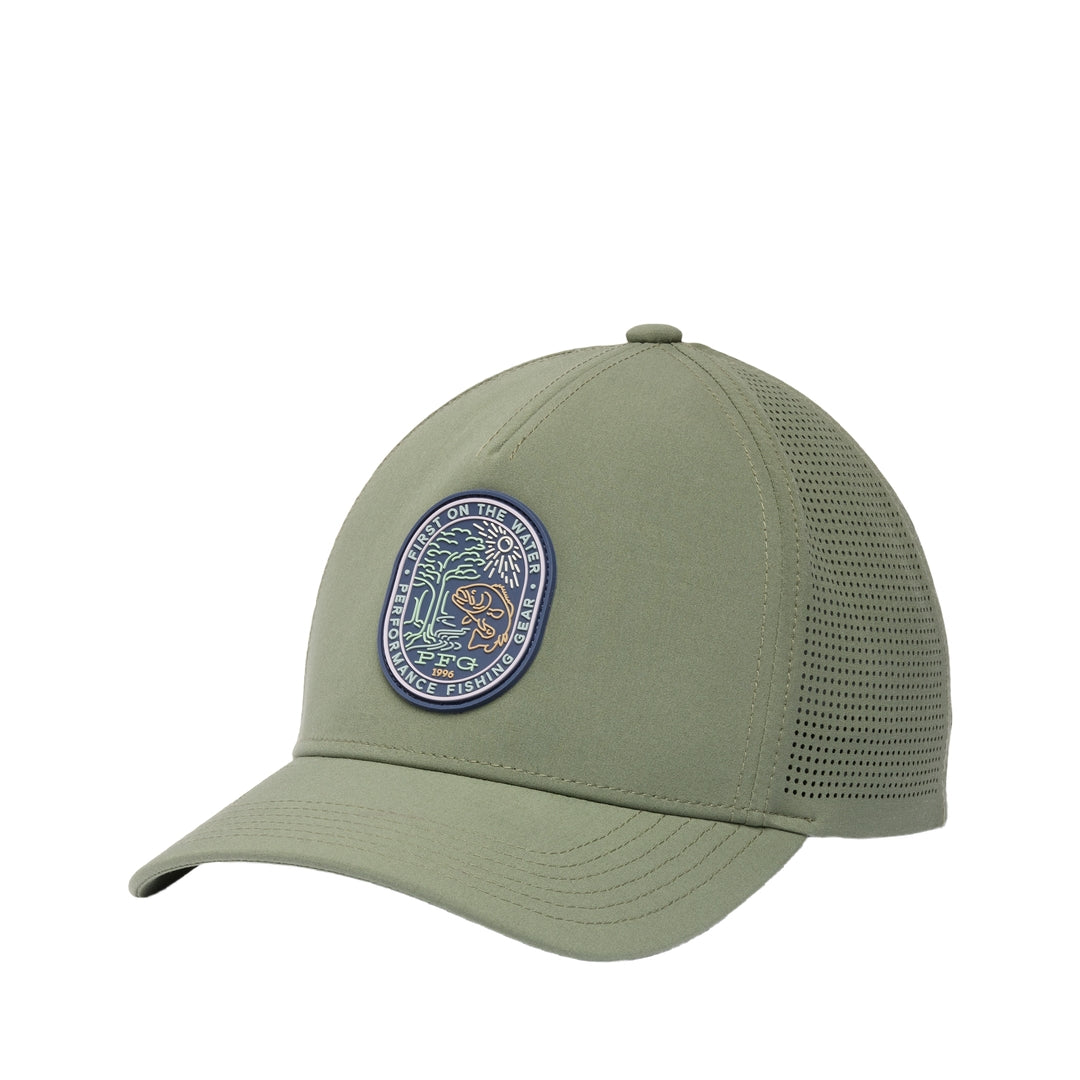
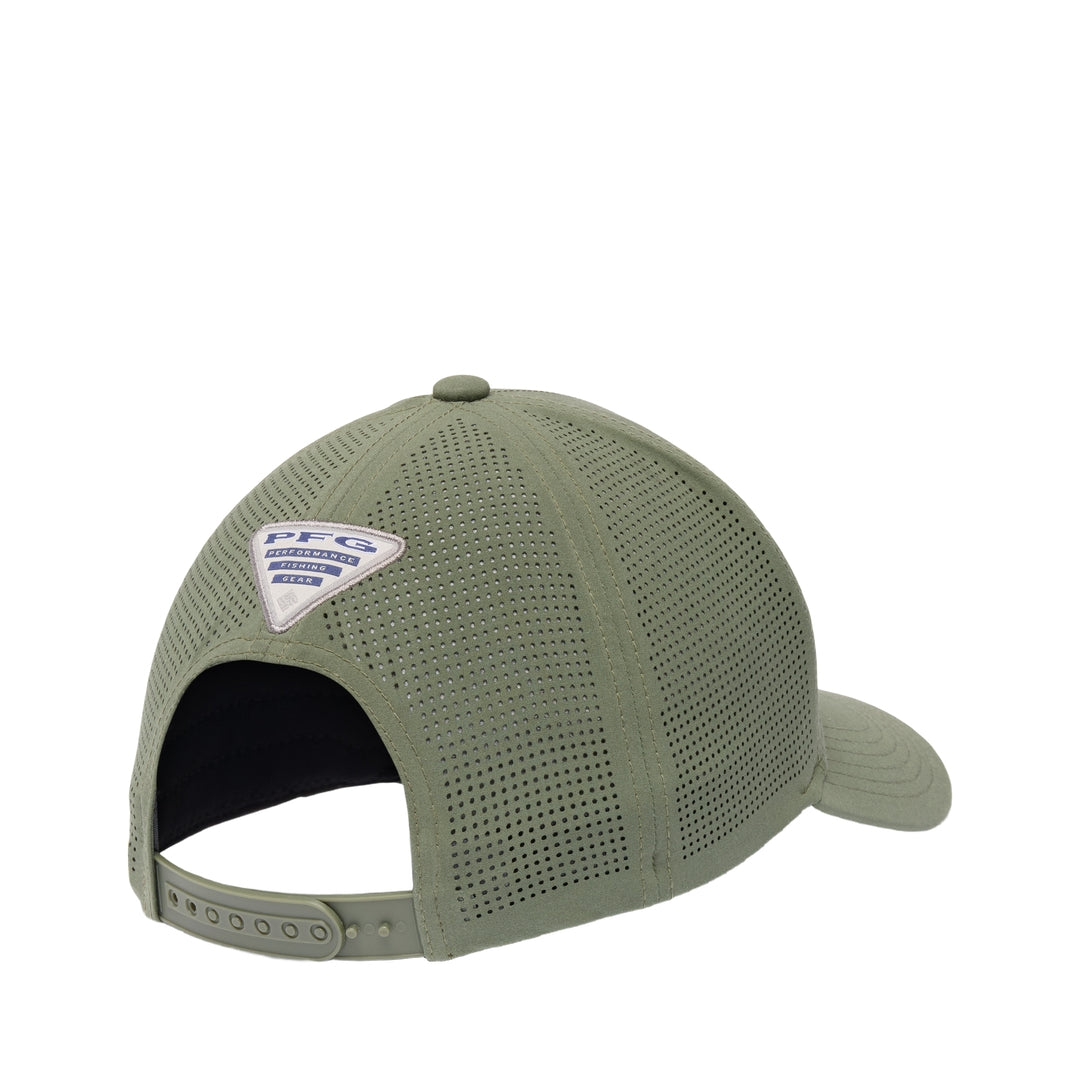
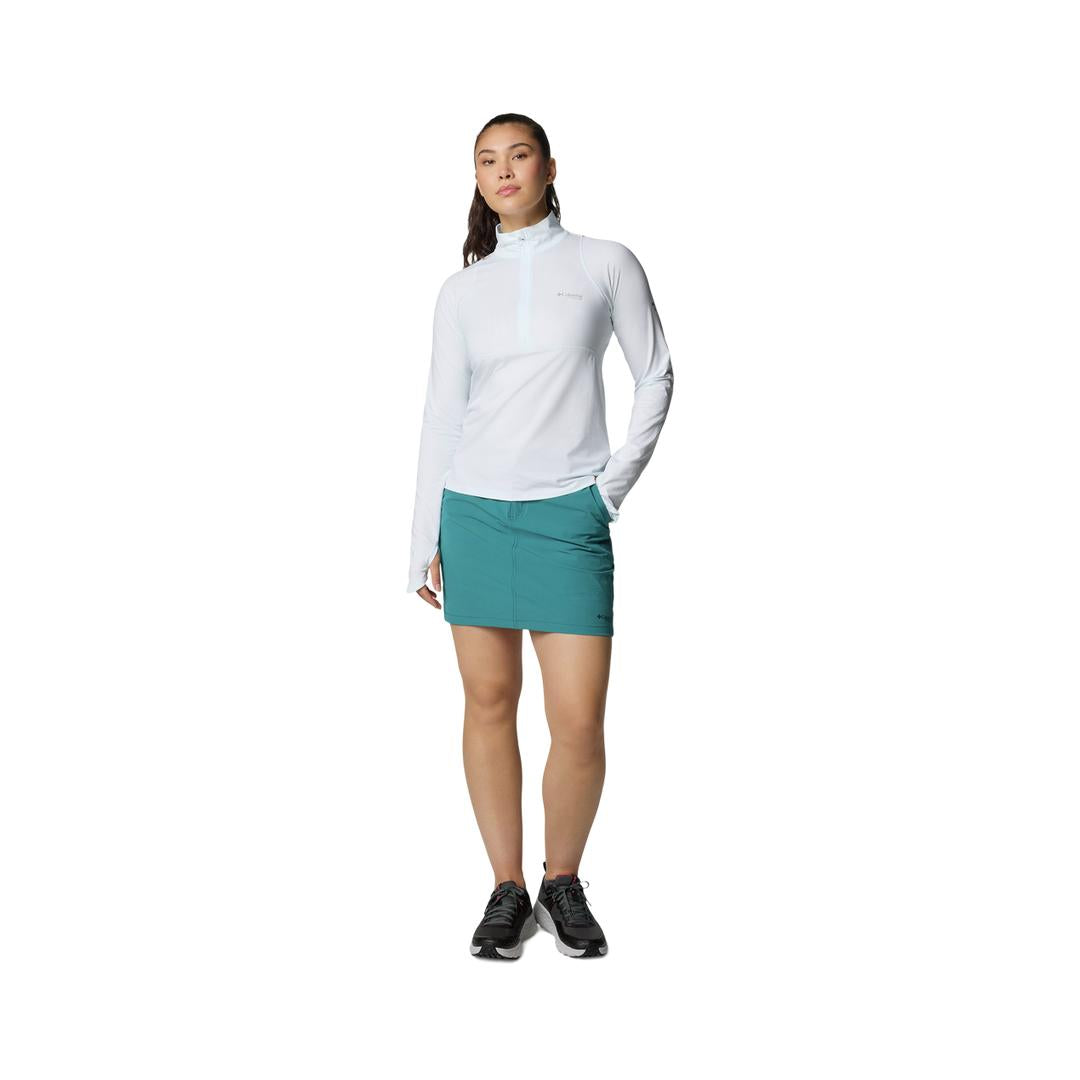
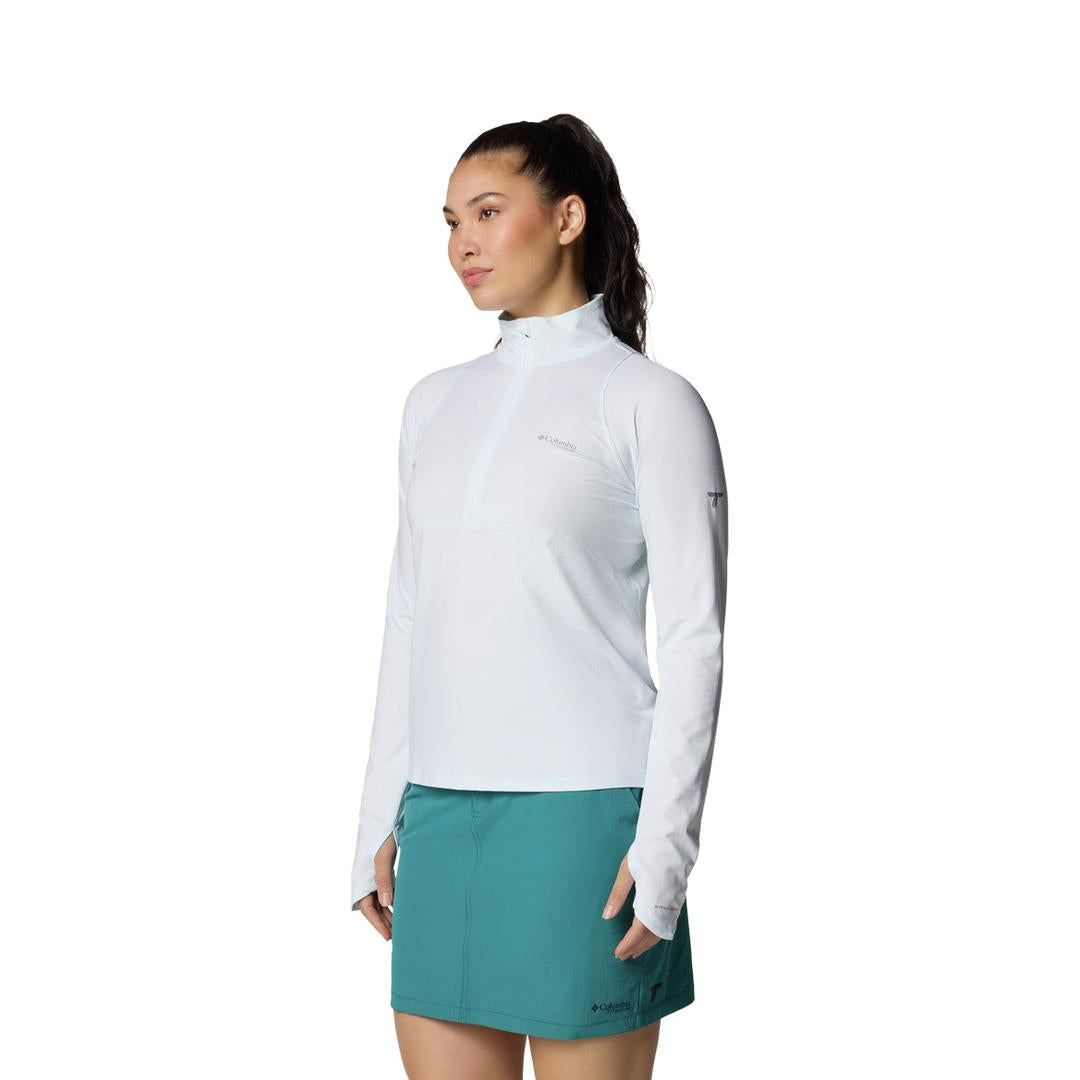
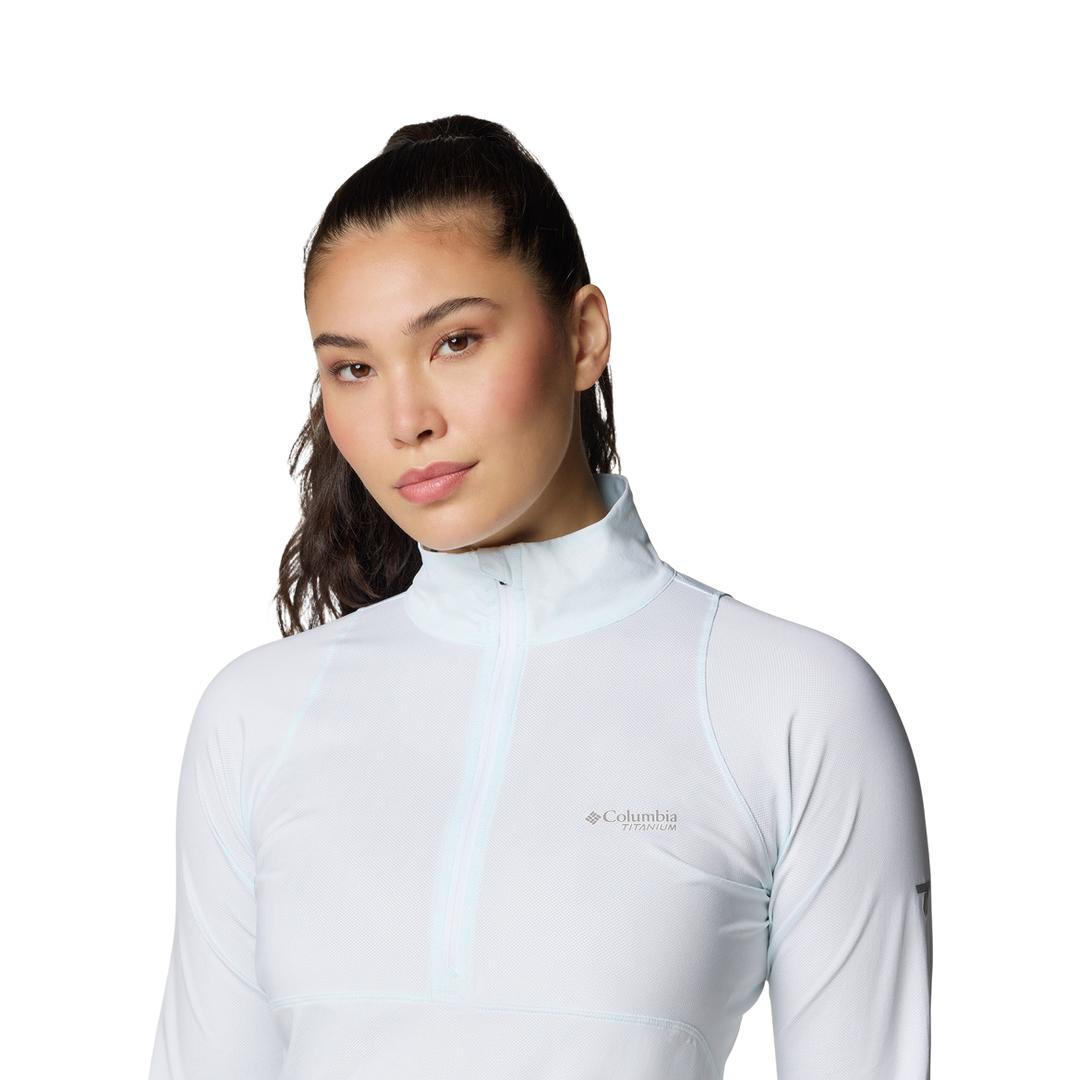
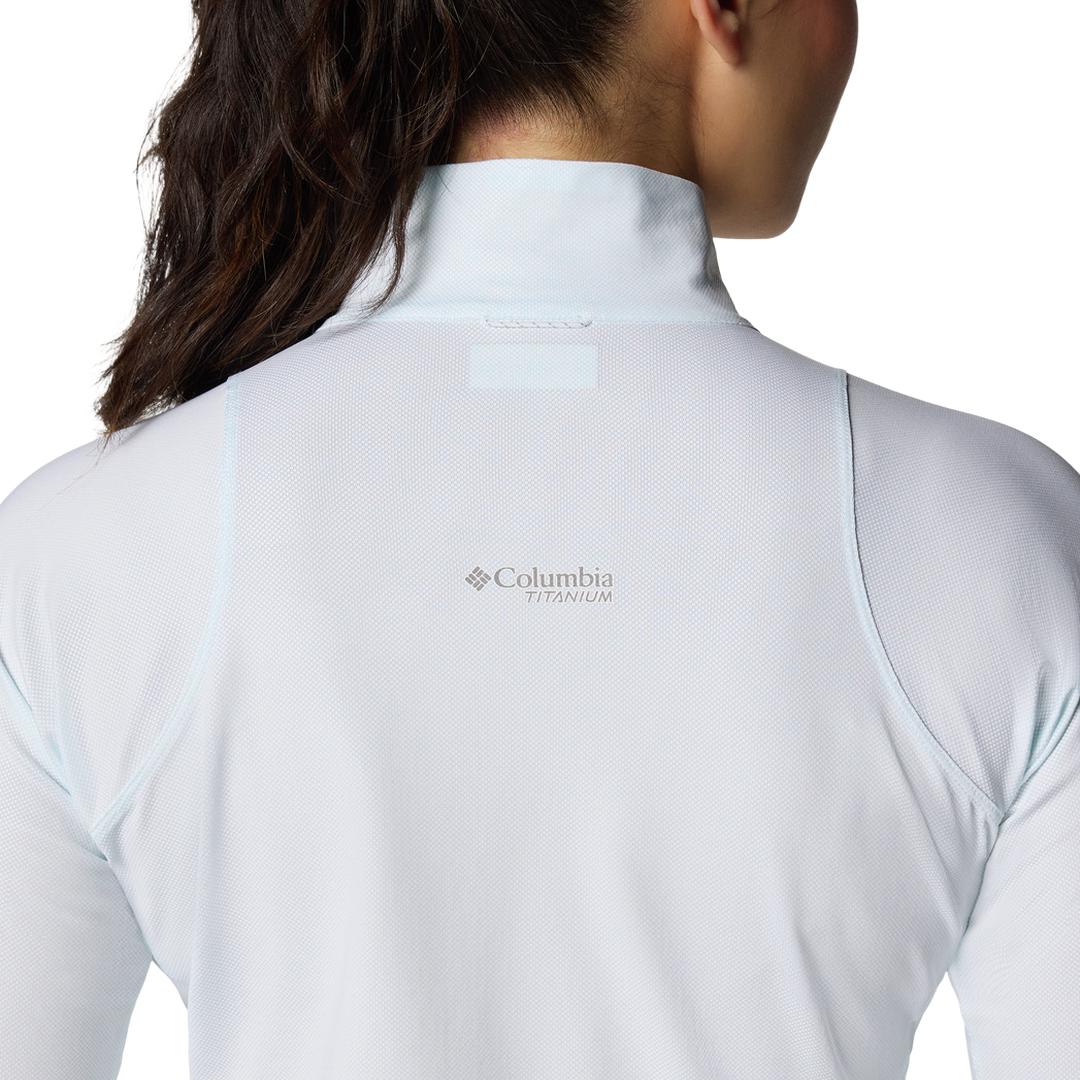
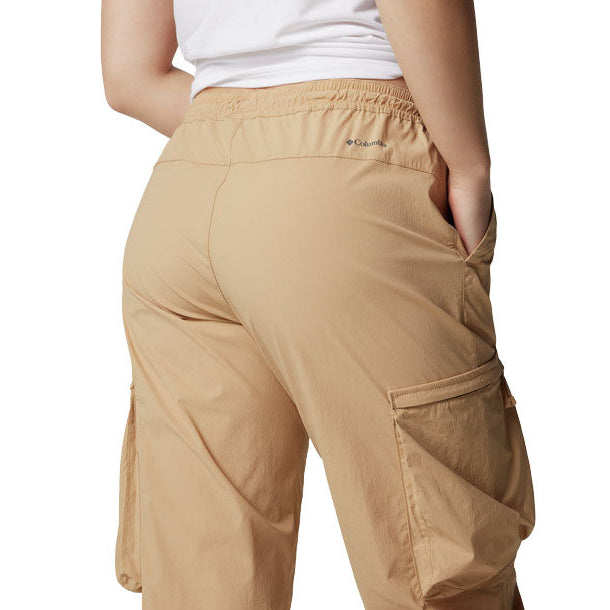
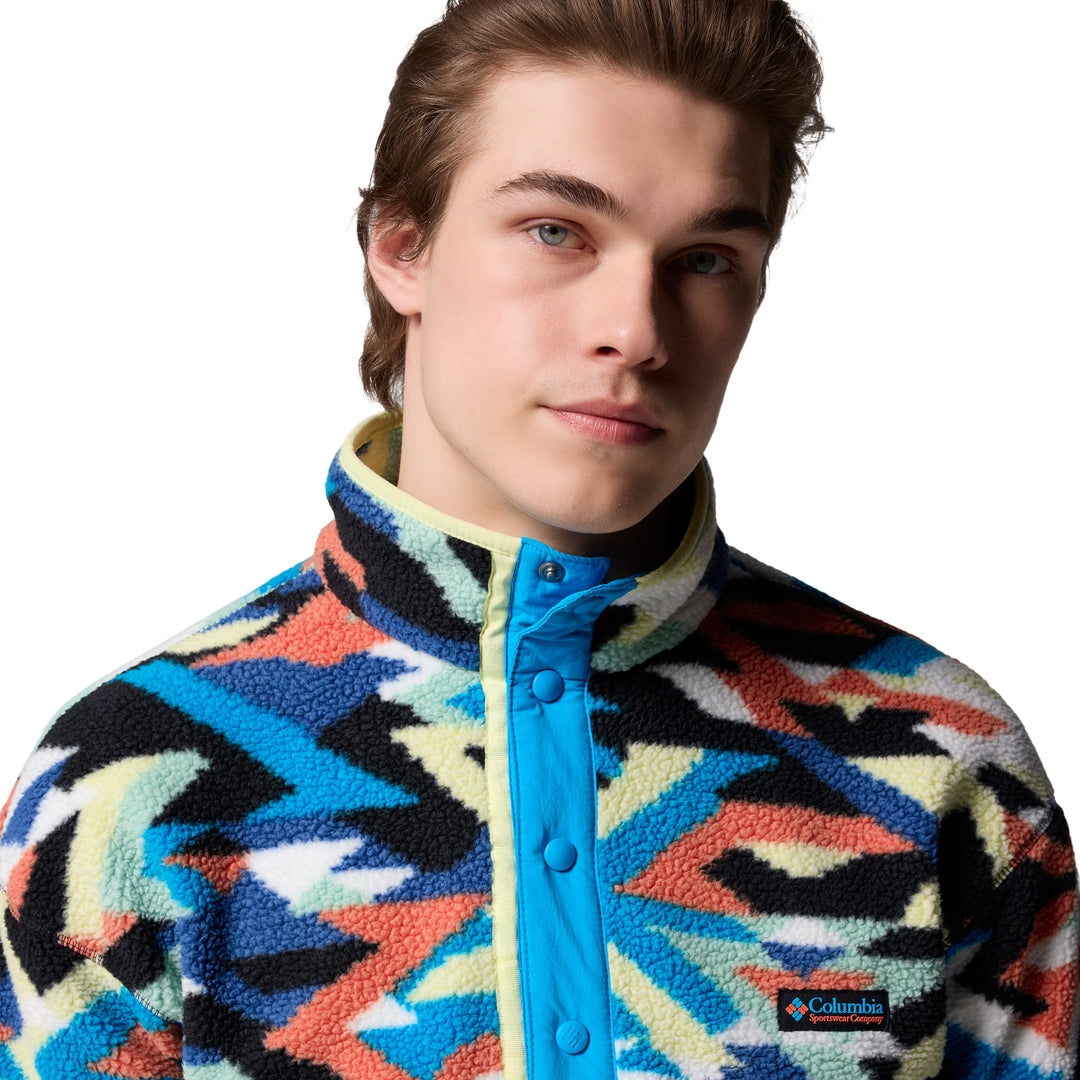
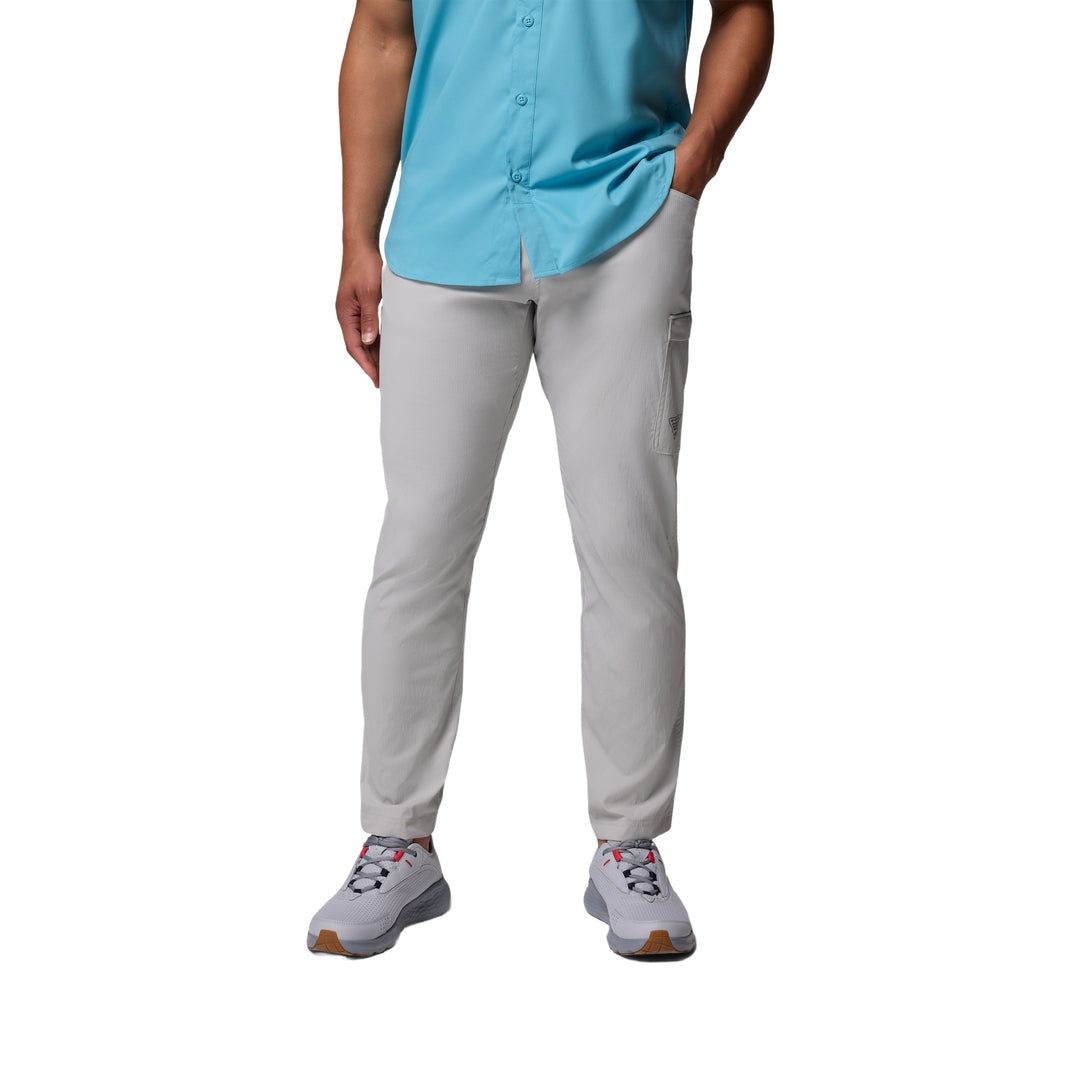
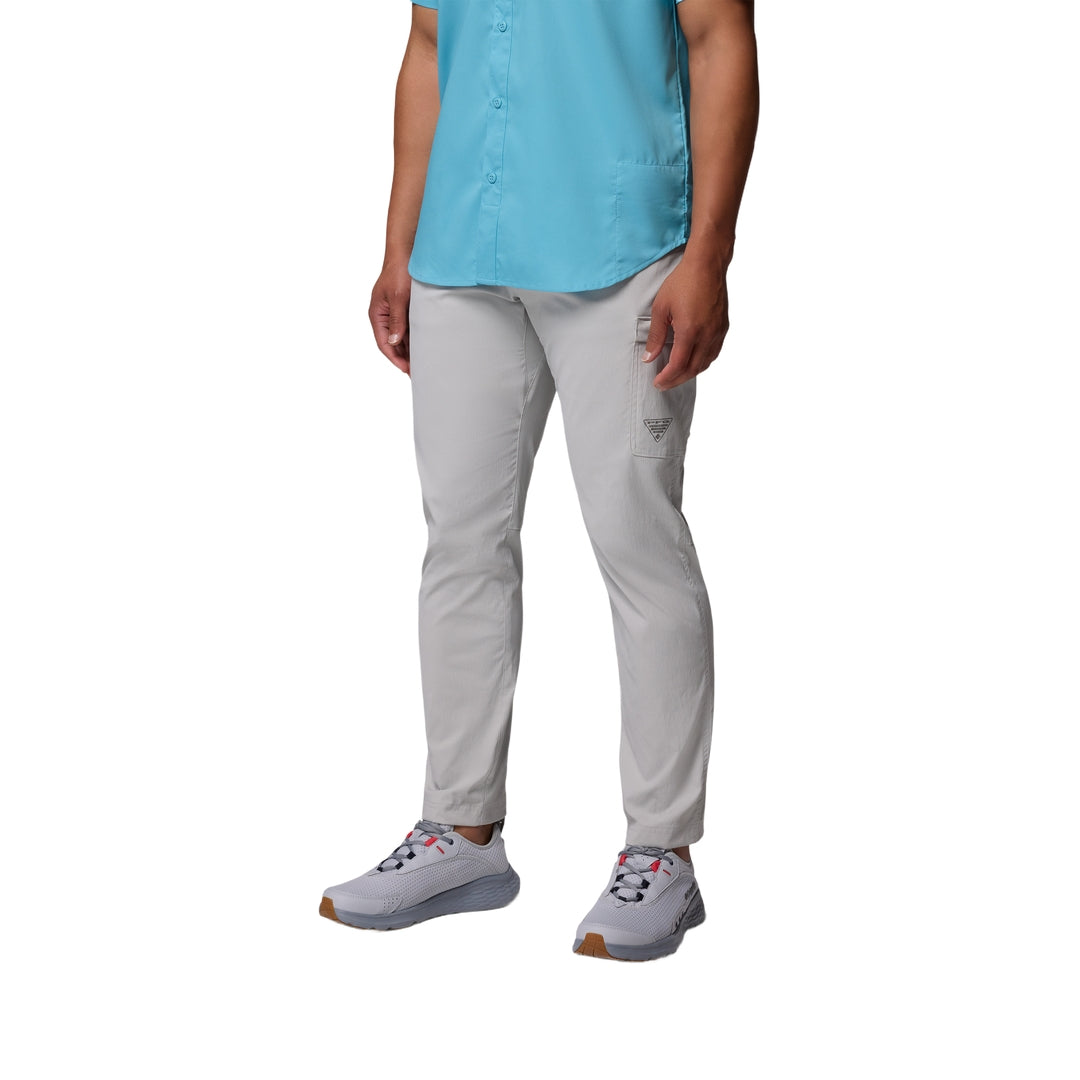
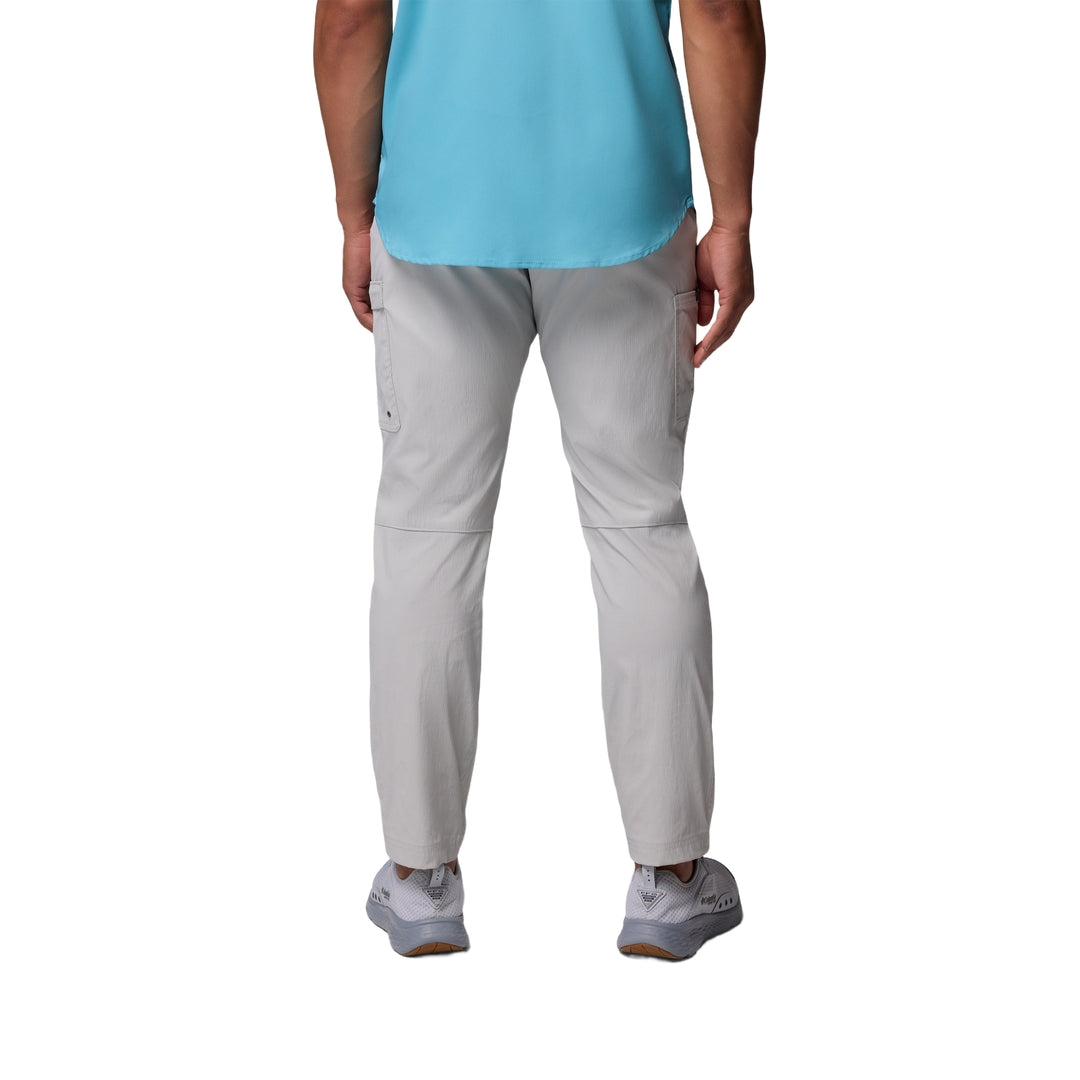
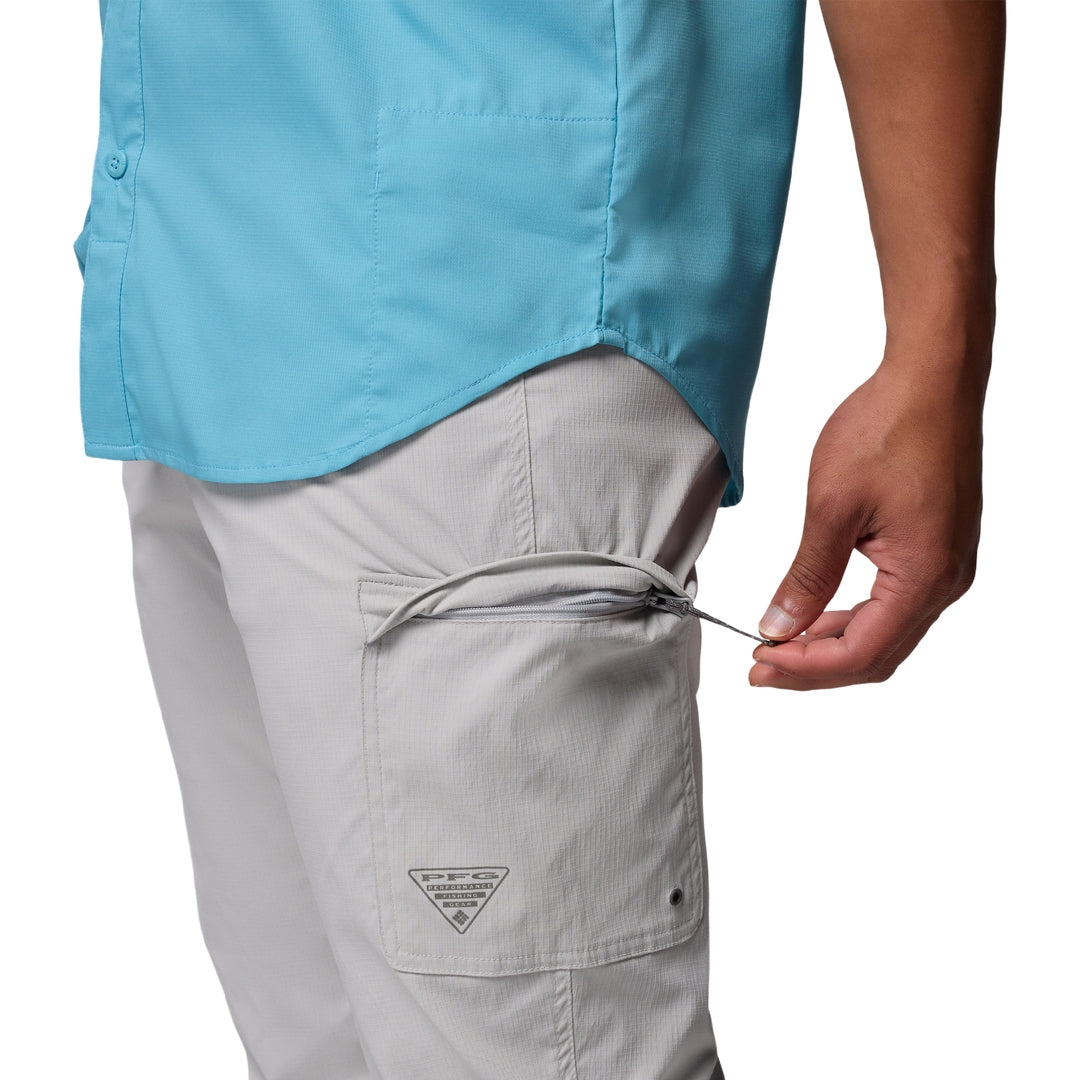
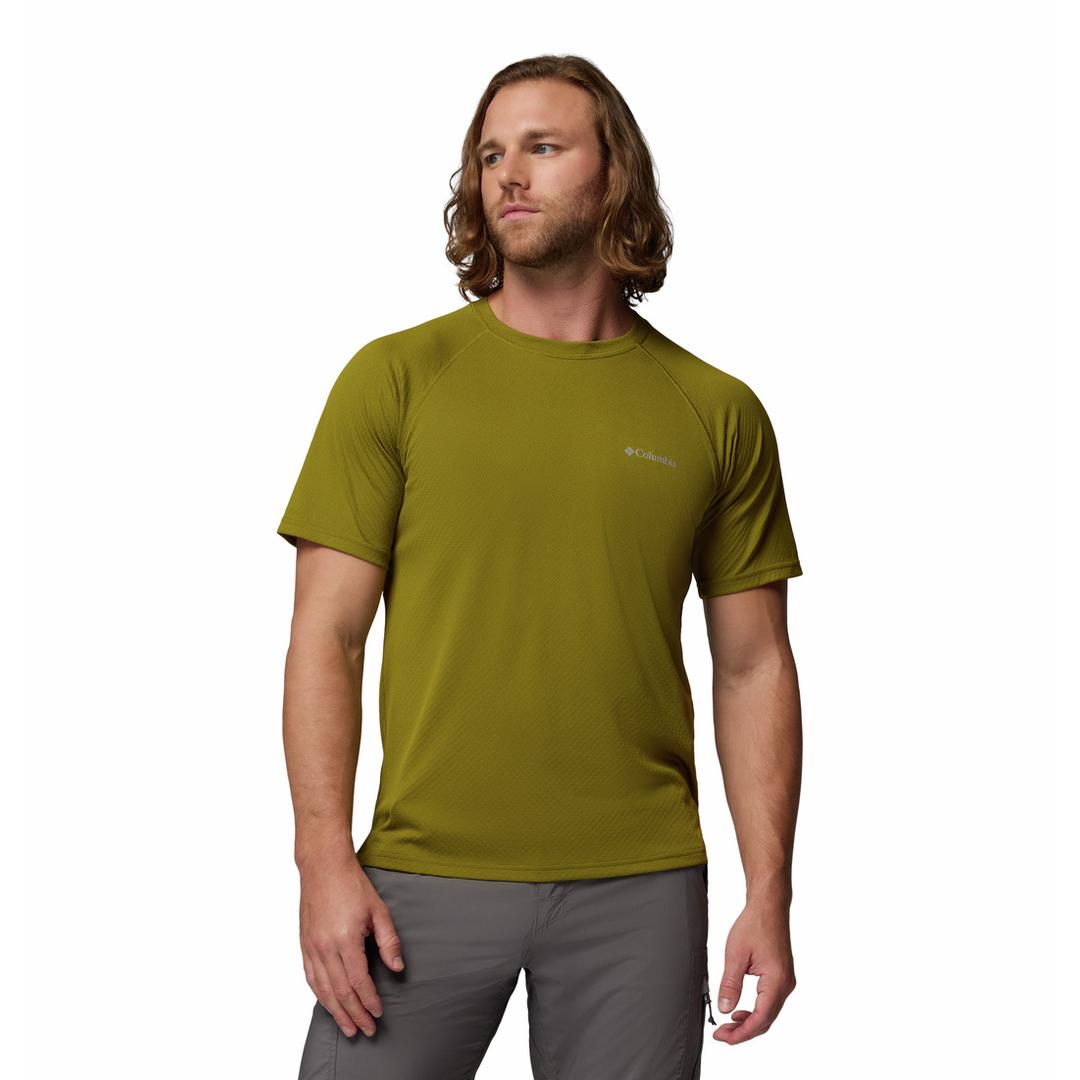
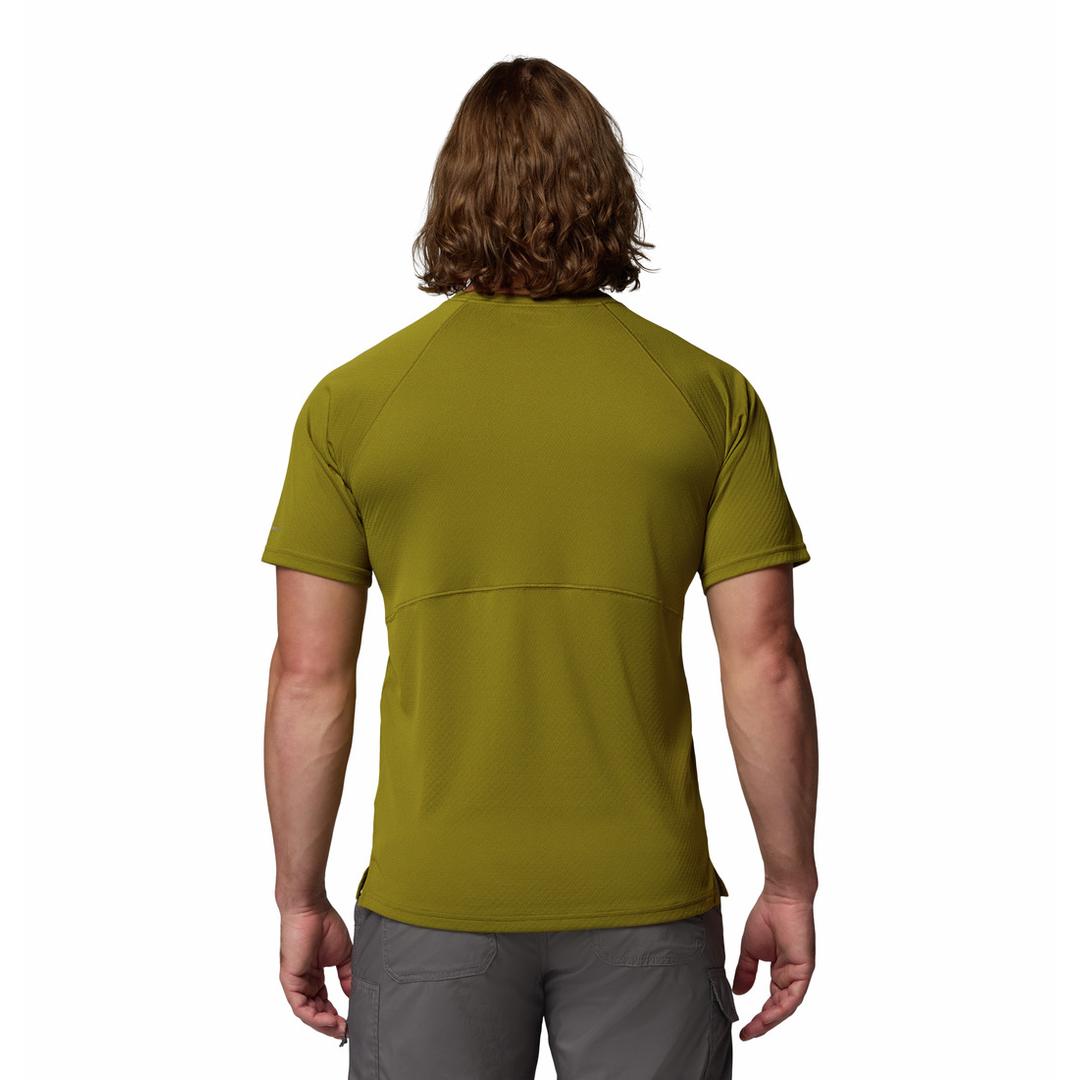
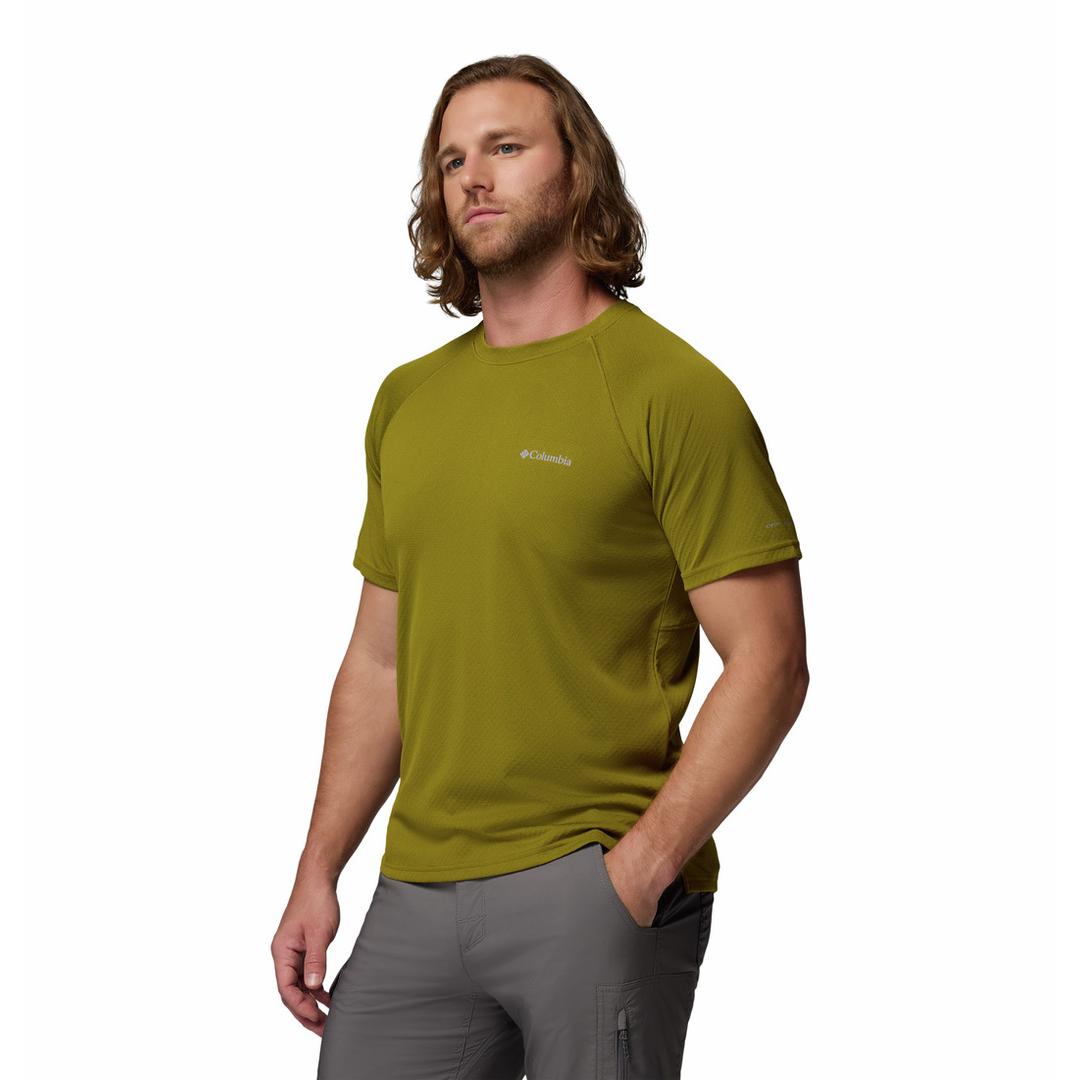
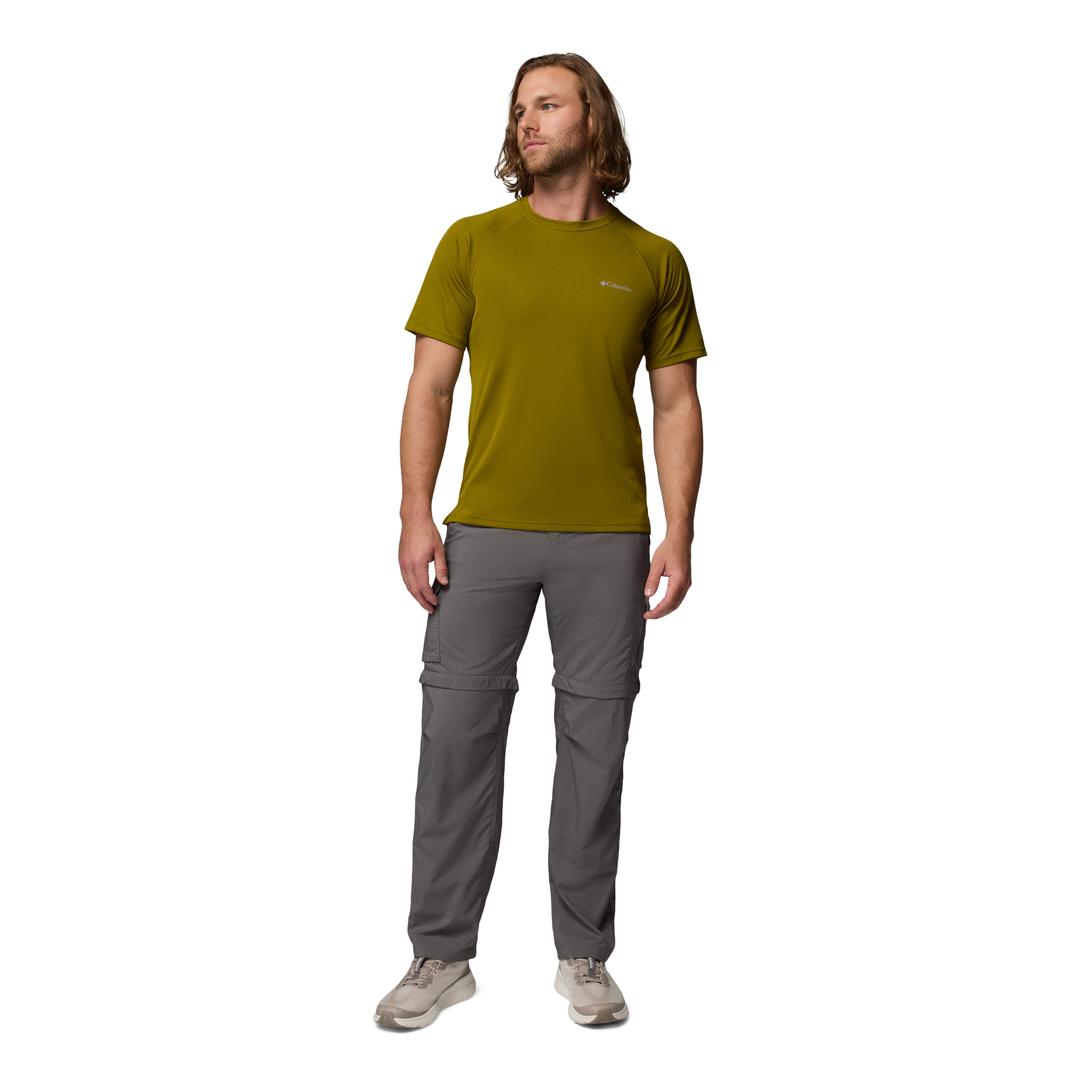
For hot, humid Philippine trails, wear Columbia’s sun-protective, moisture-wicking layers rather than a plain cotton shirt: a UPF 50 Omni-Shade long-sleeve, an Omni-Wick tee, and Omni-Freeze cooling pieces on the hottest days. A long-sleeve sun shirt sounds counterintuitive in the heat, but it shades your arms all day without reapplying sunscreen, and Columbia’s Silver Ridge line pairs Omni-Wick with Omni-Shade Broad Spectrum for exactly this.
Cover the parts people forget: a booney hat and a cooling neck gaiter protect your face, ears, and nape on open trails. Keep cotton out of your hiking kit, since it holds sweat, dries slowly, and turns cold and heavy once it is soaked.
How do you layer Columbia gear for cold summits like Pulag or Apo?
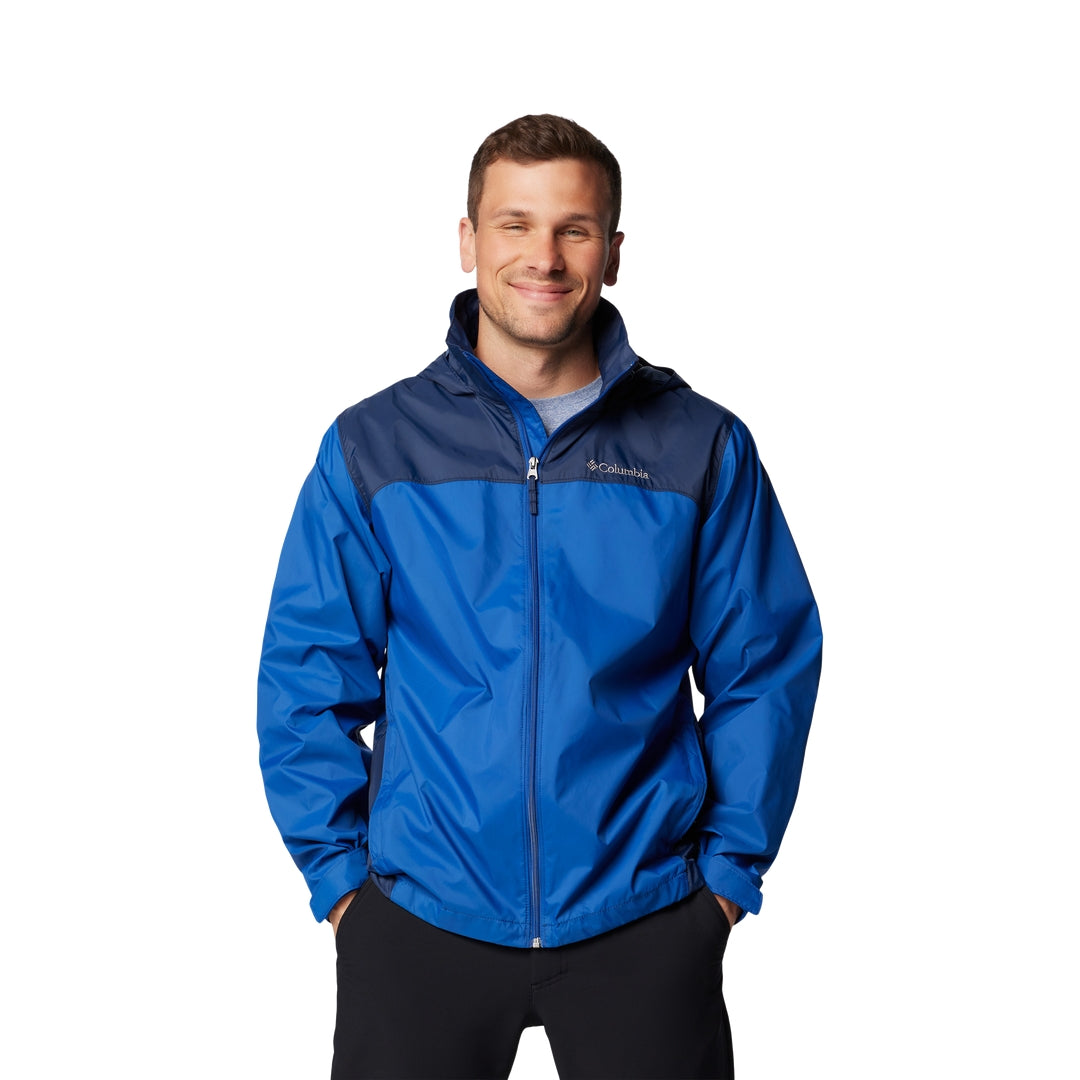
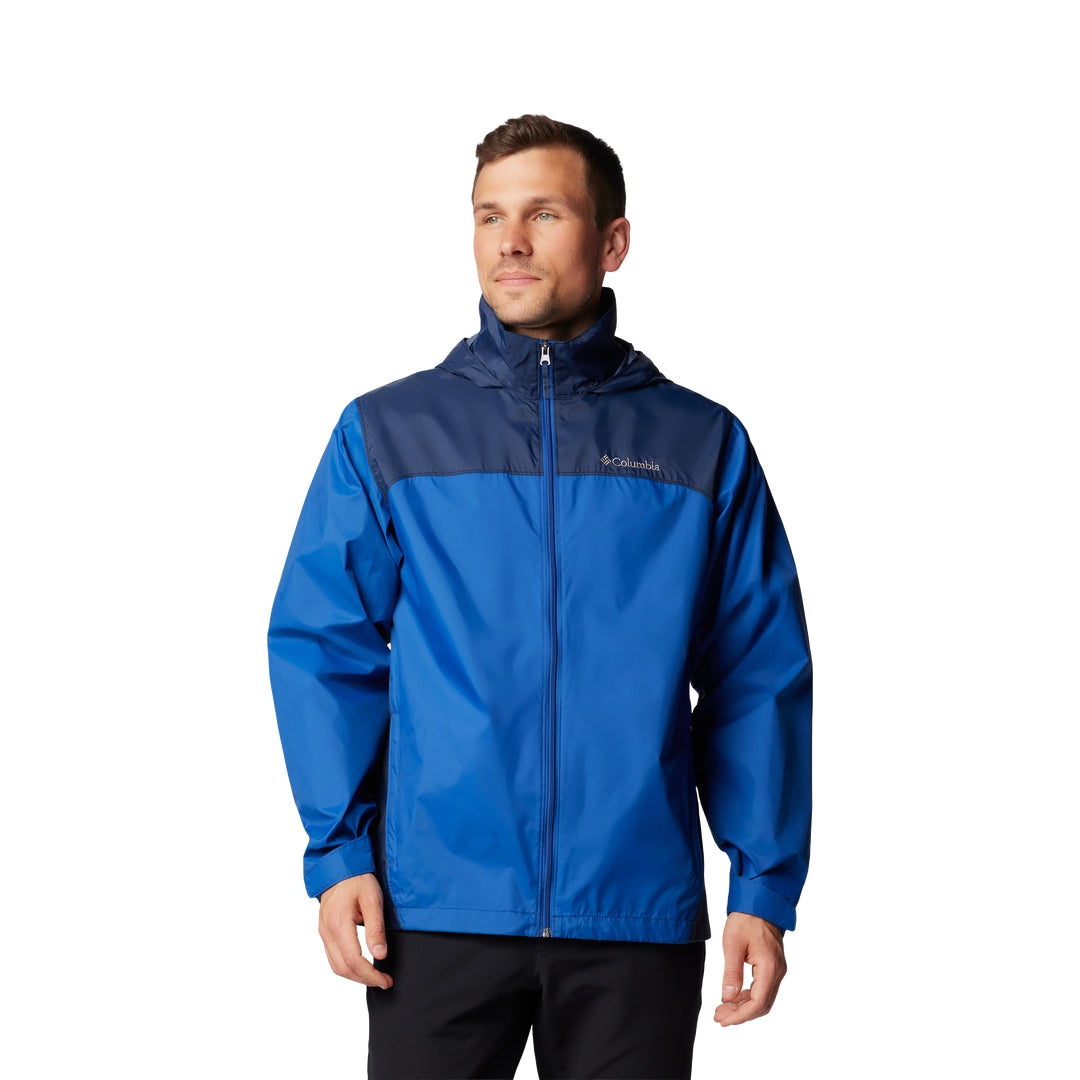
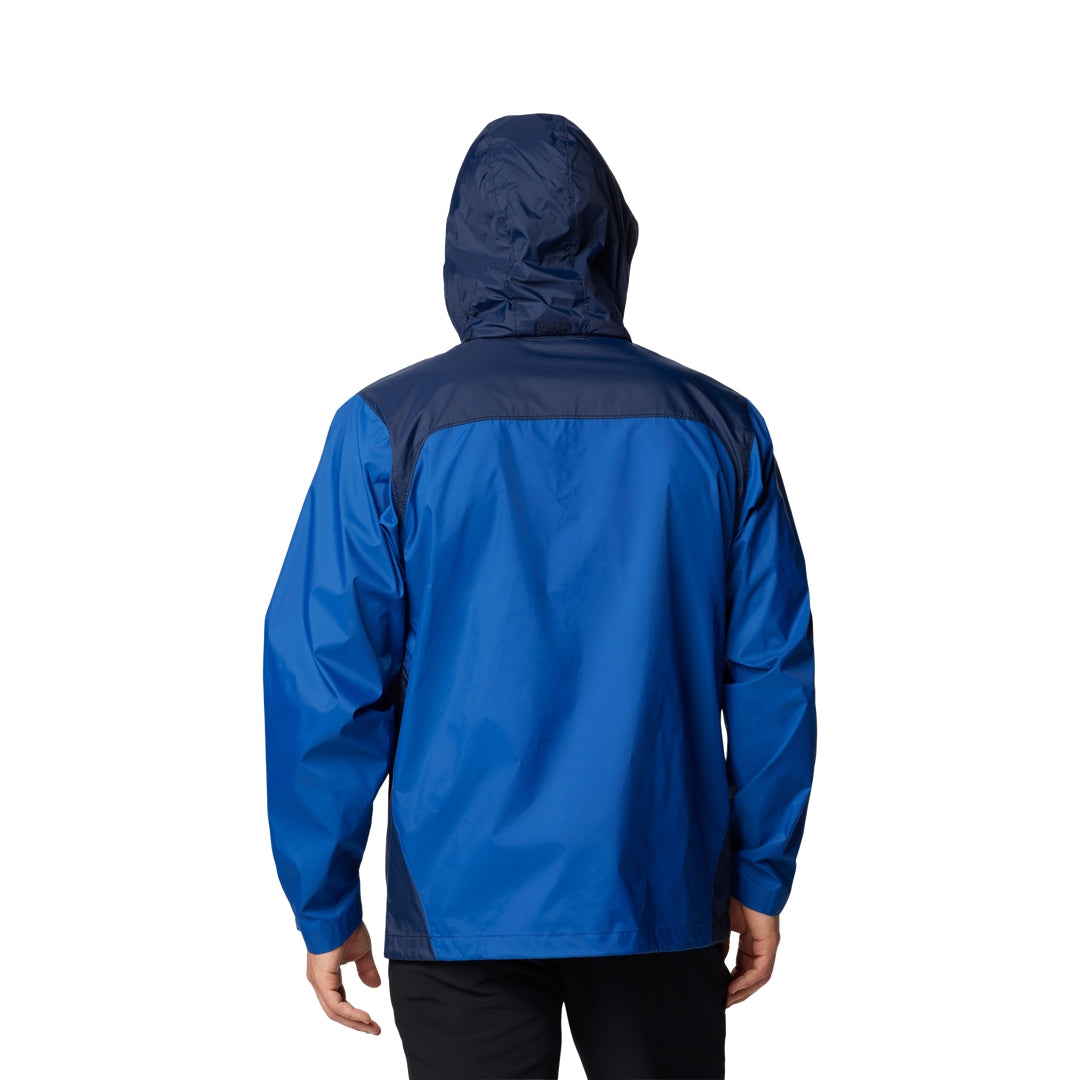
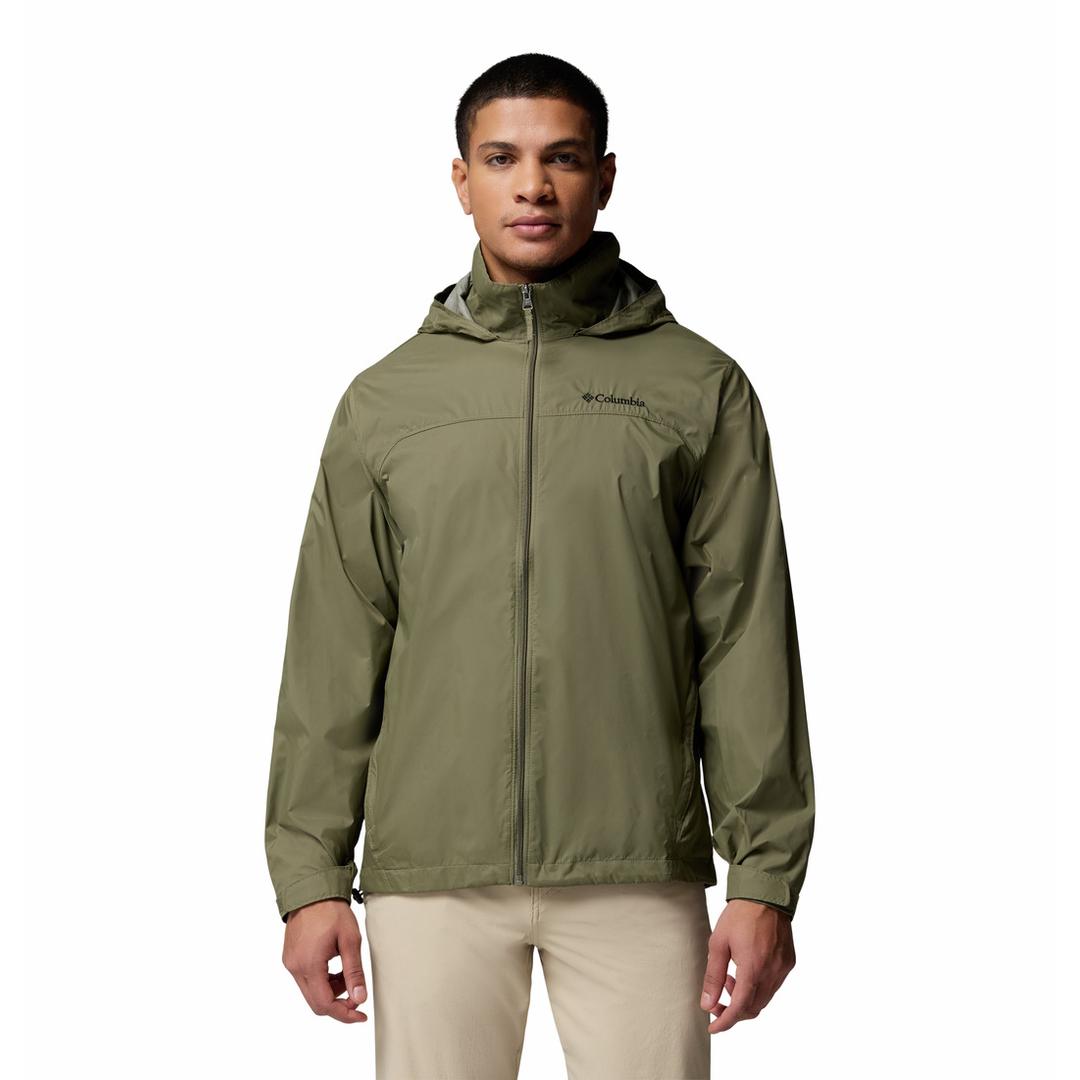
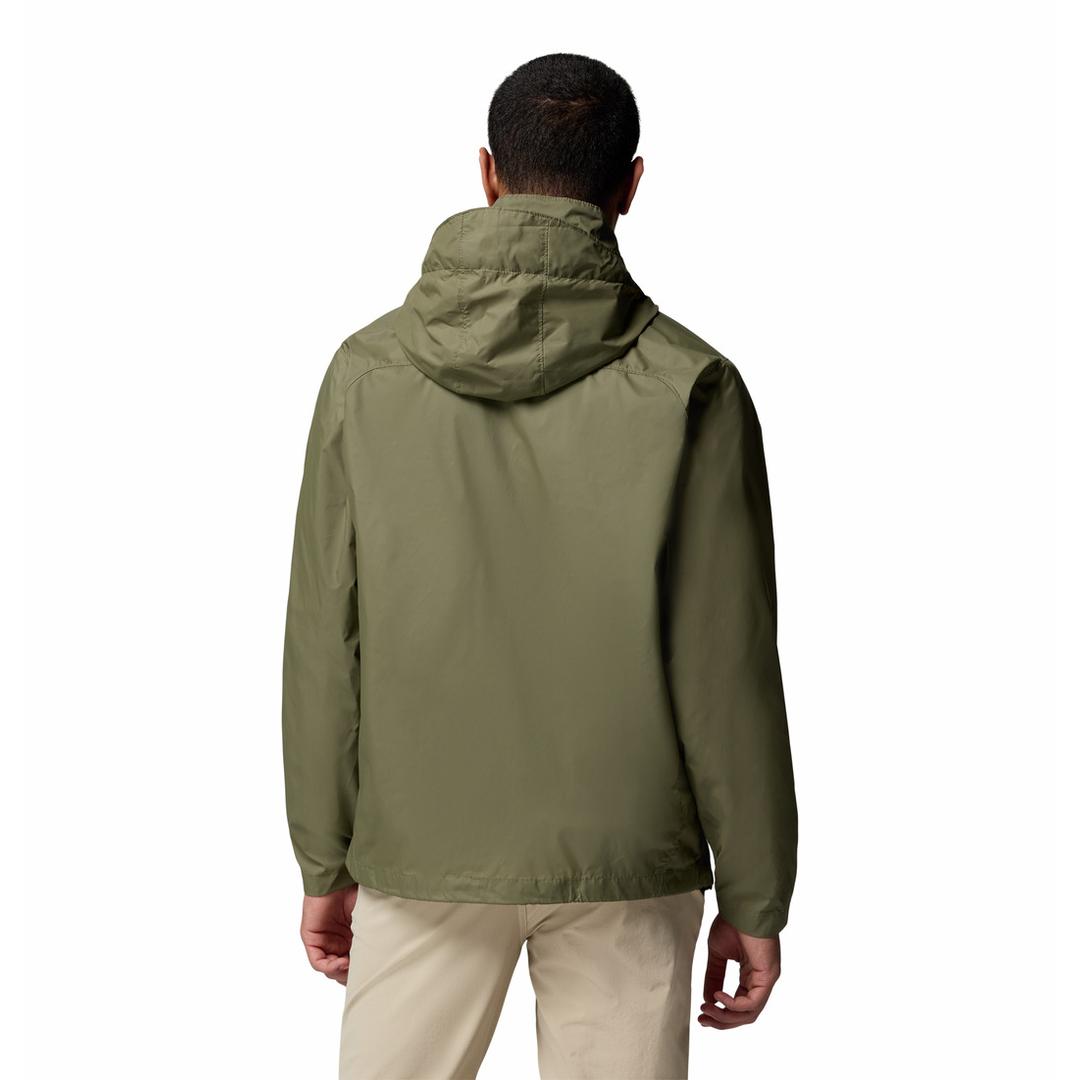
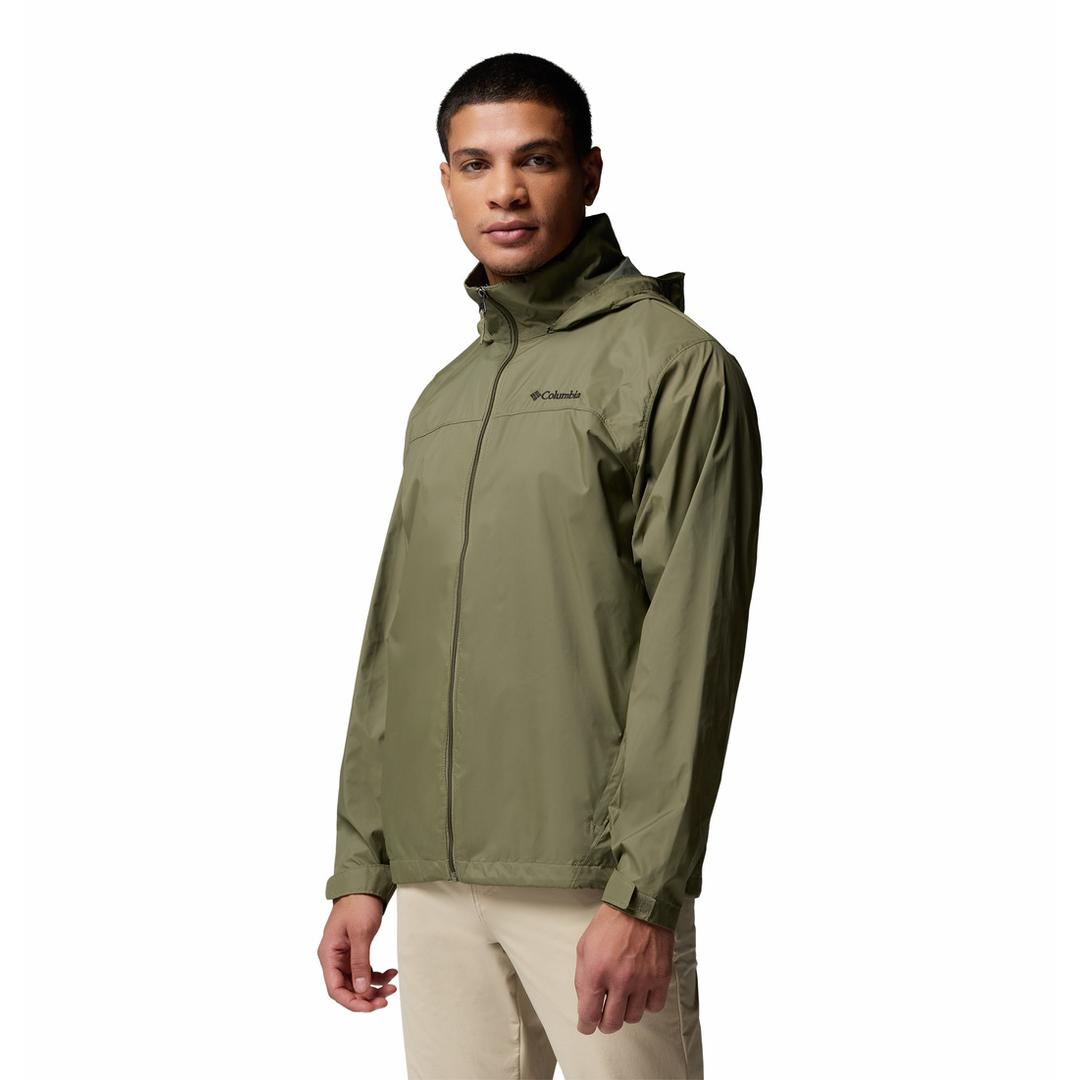
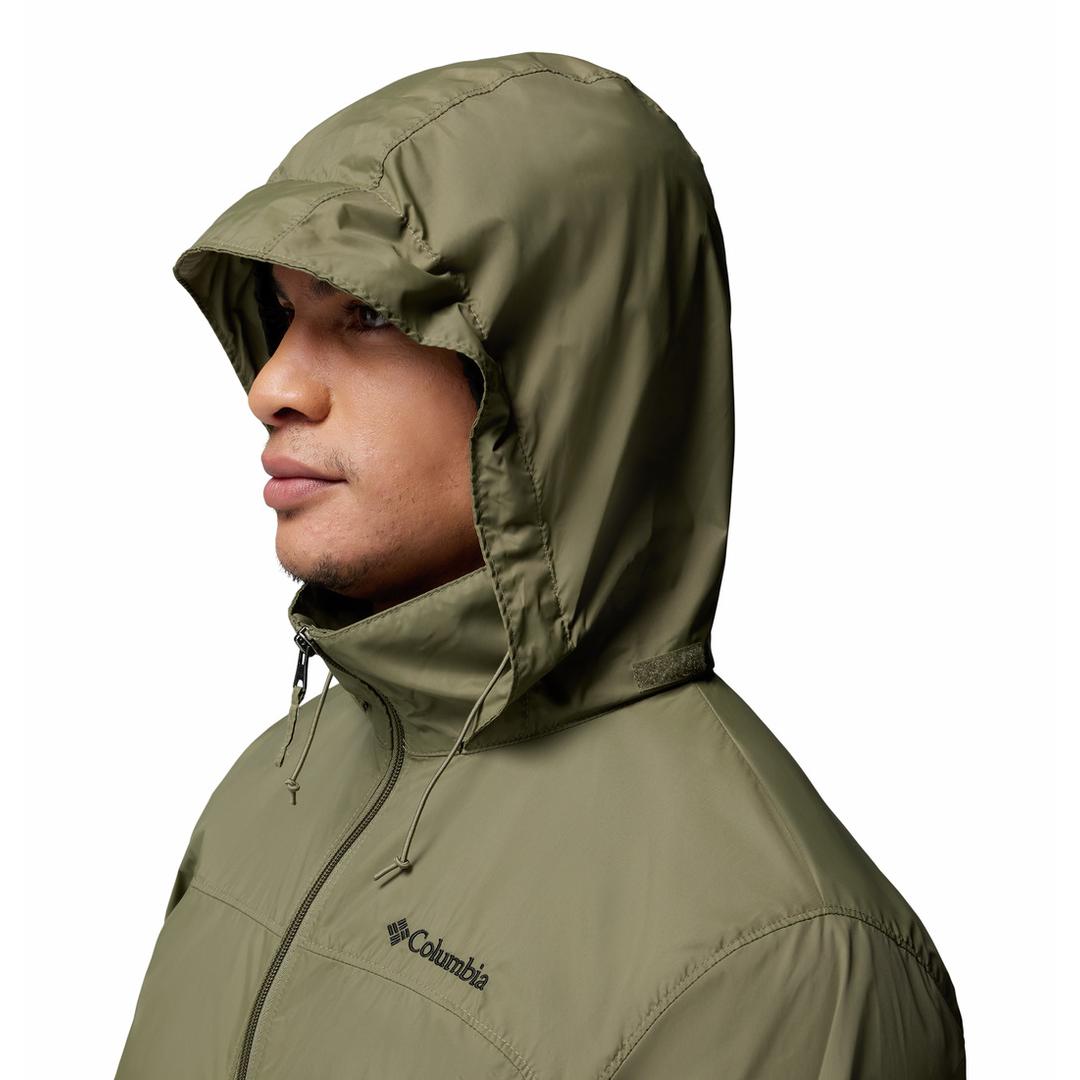
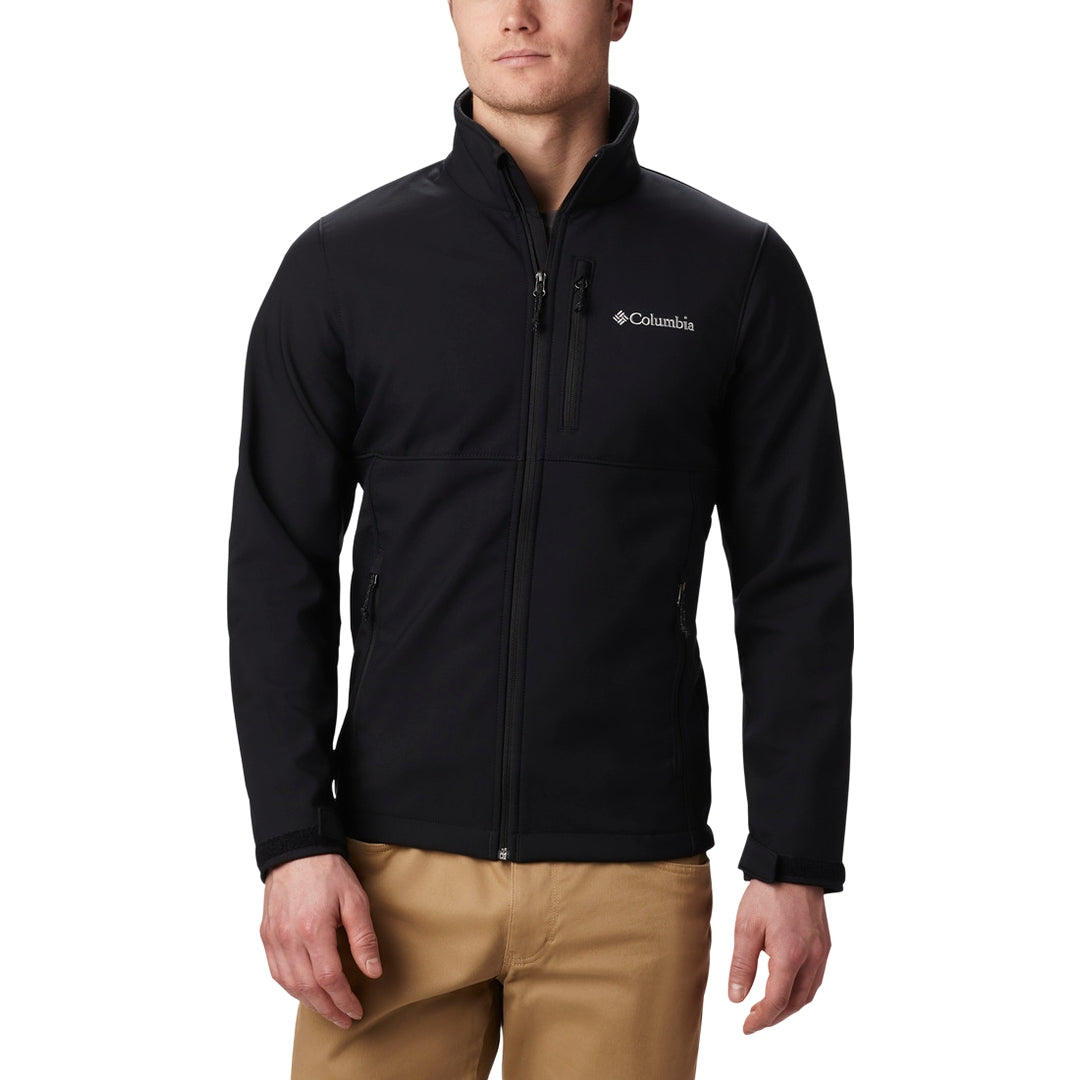
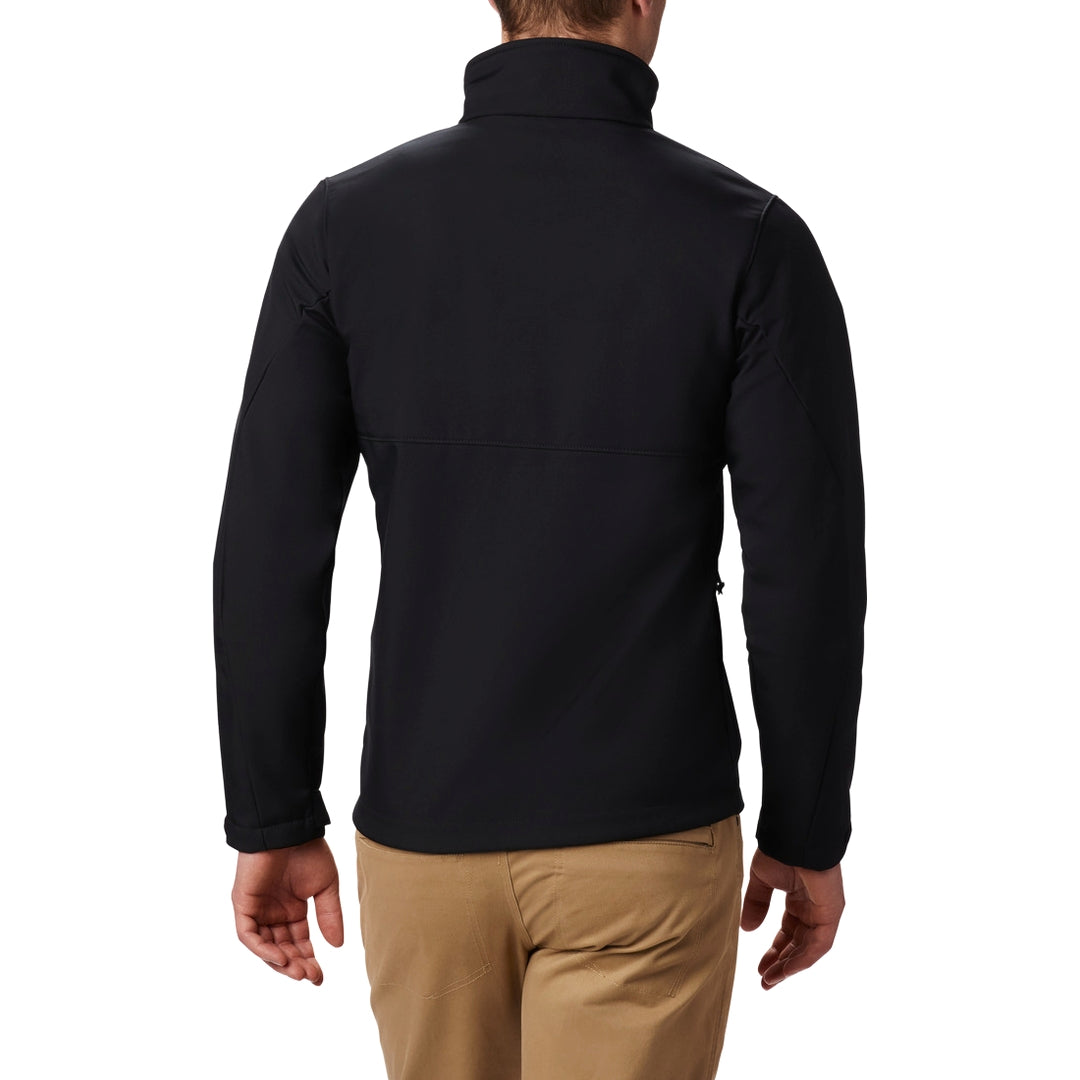
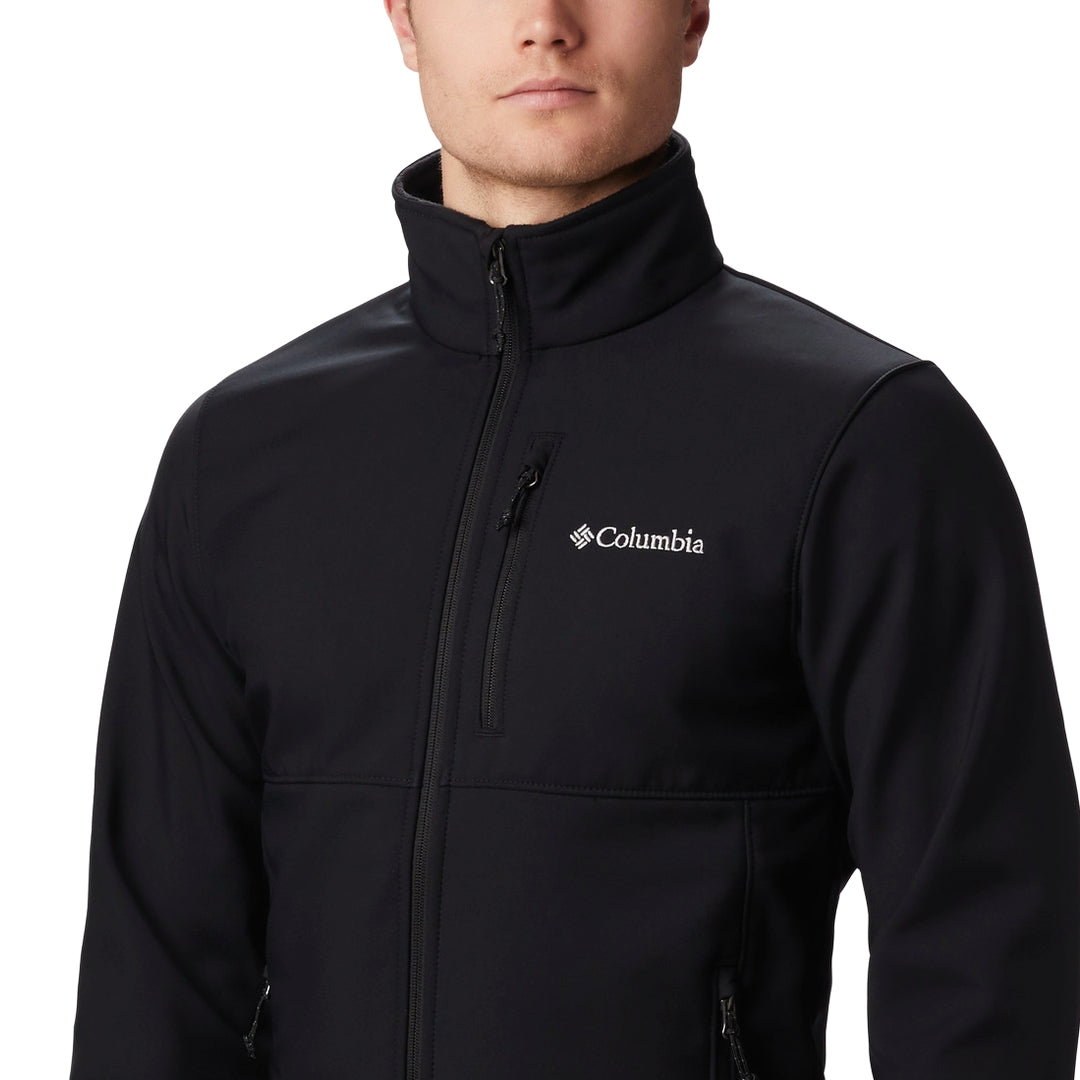
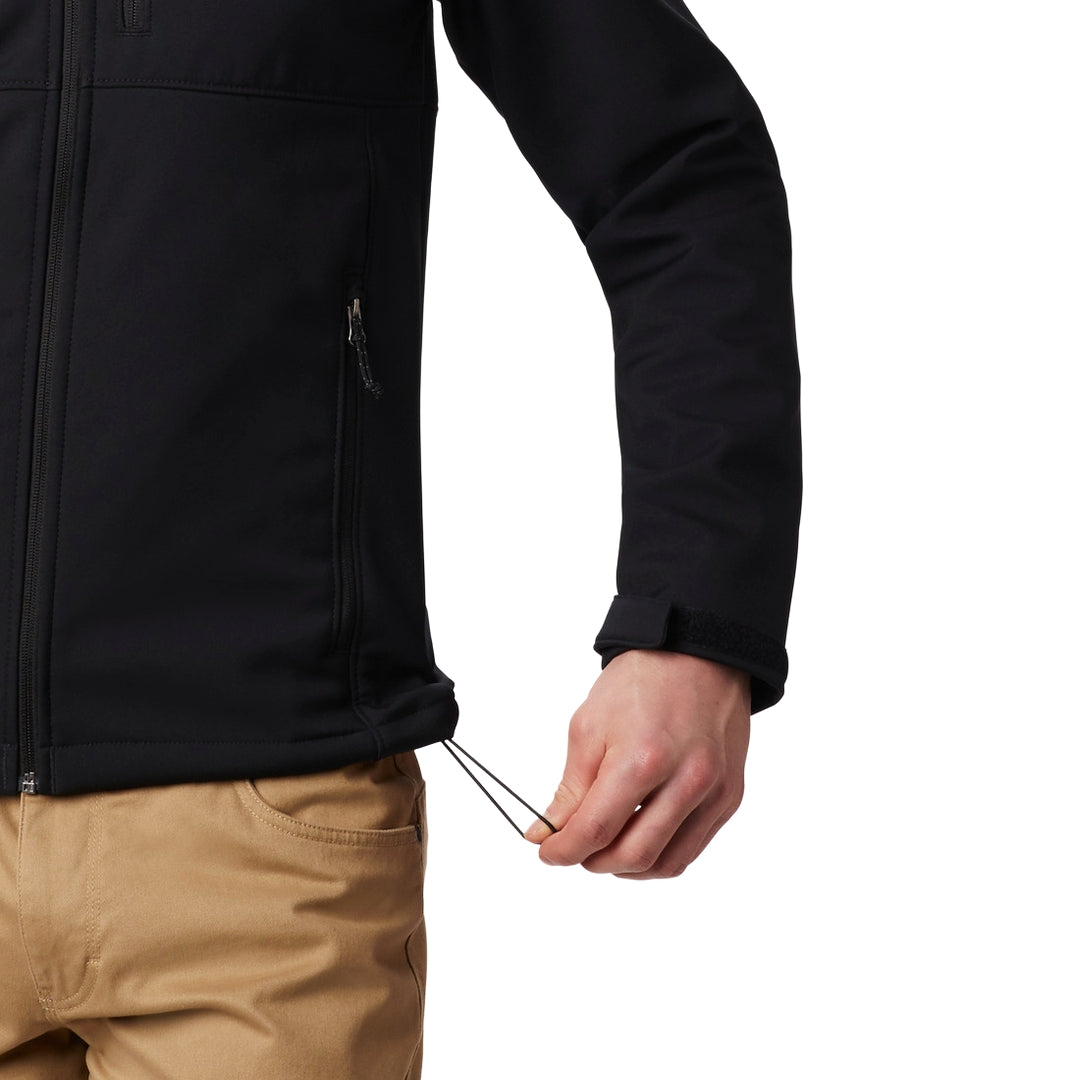
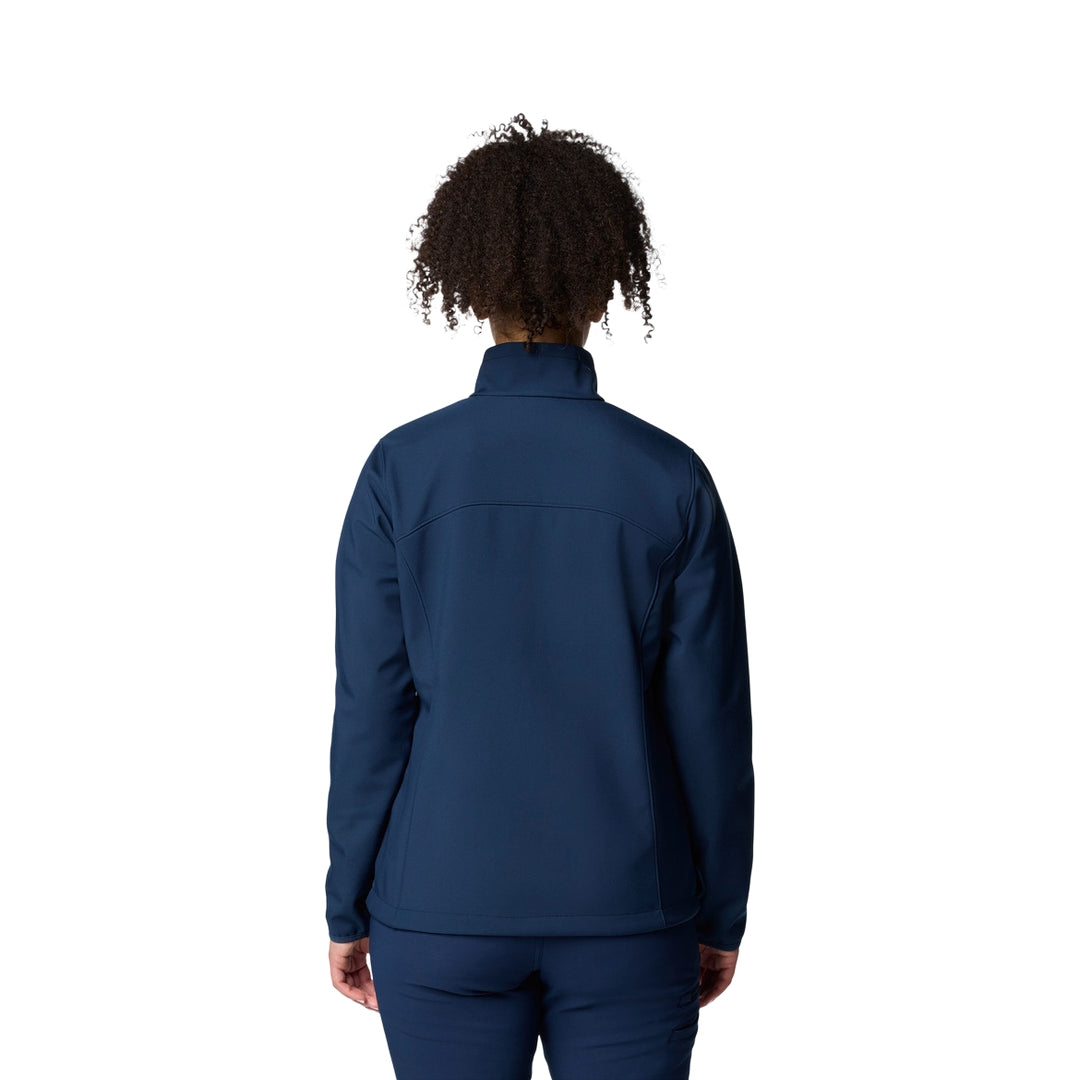
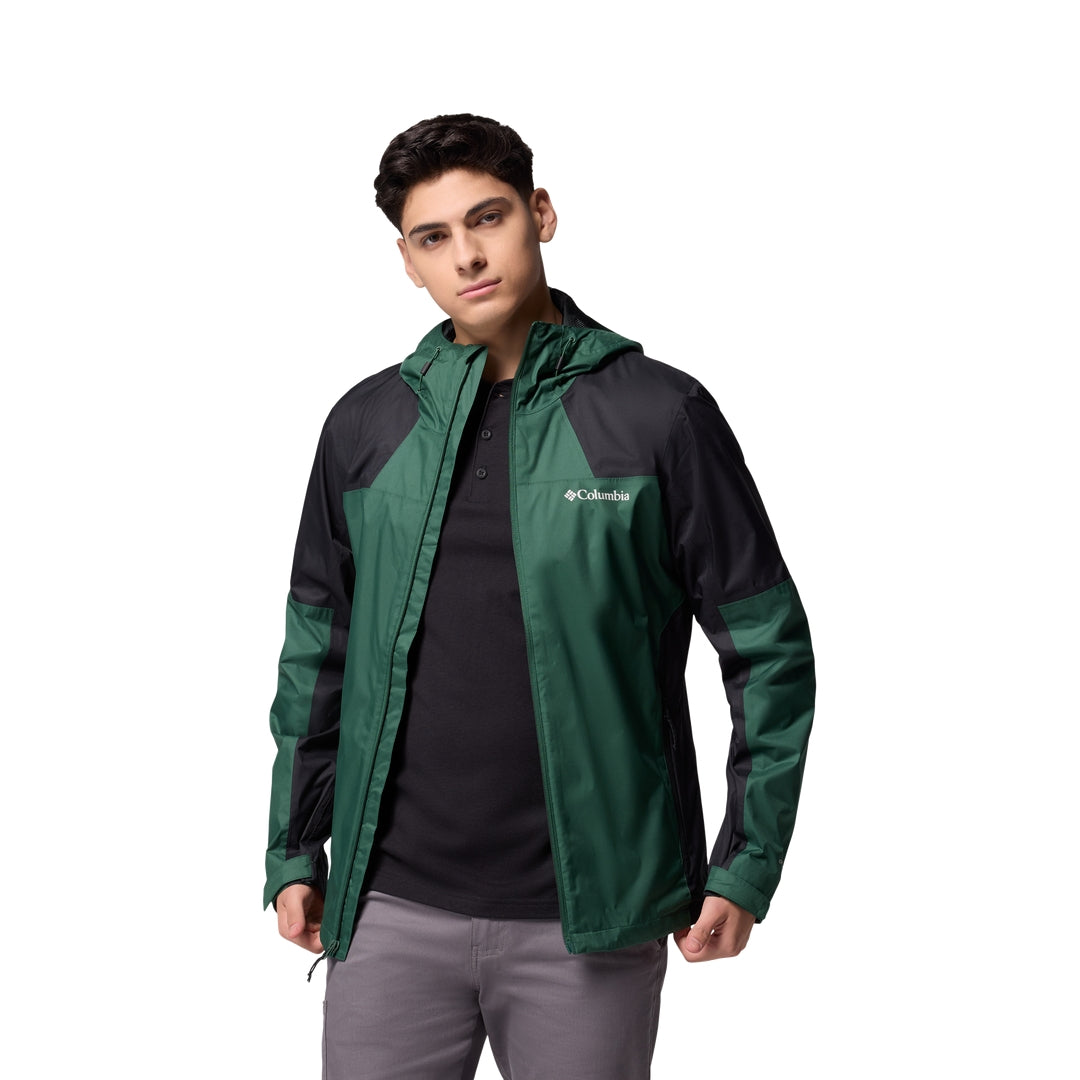
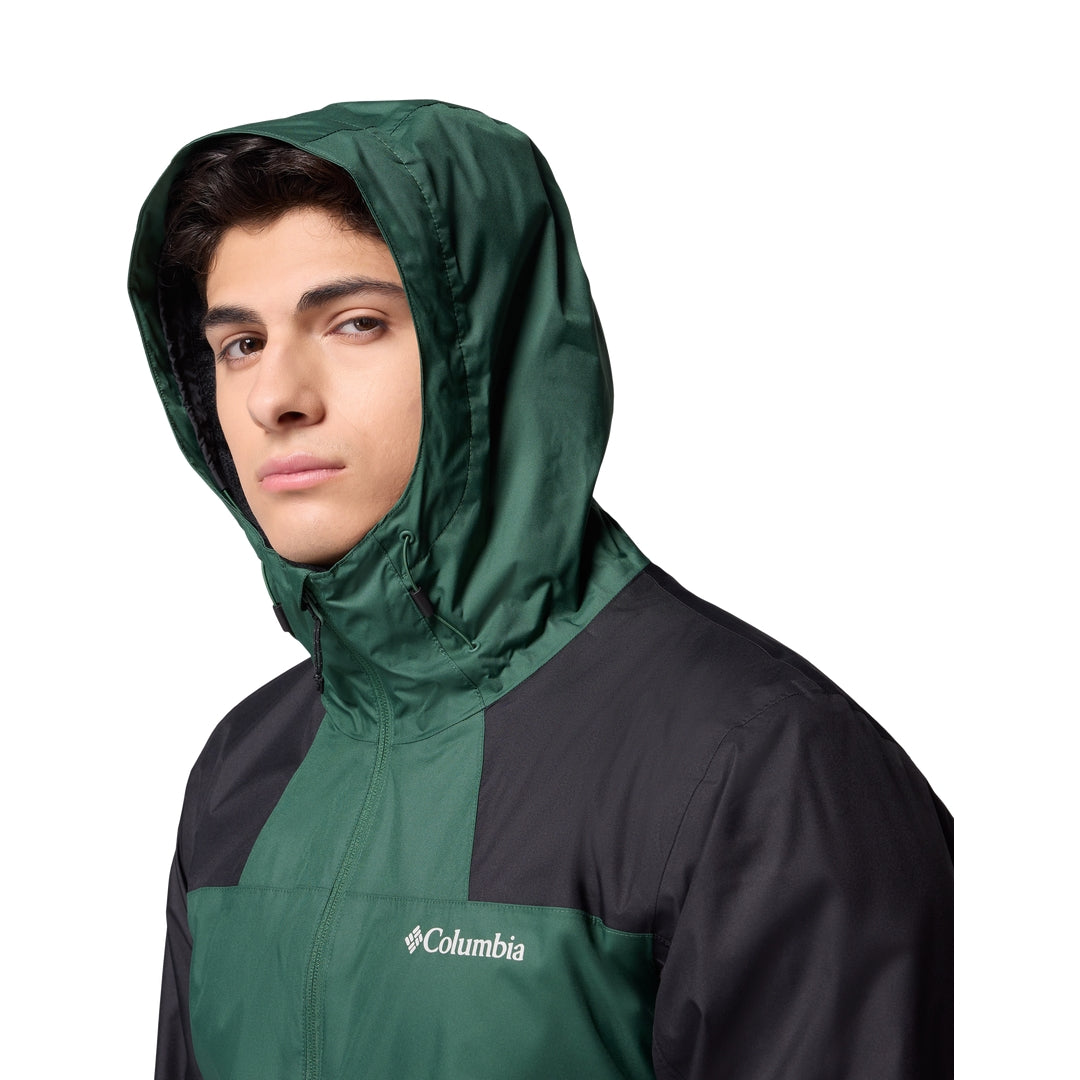
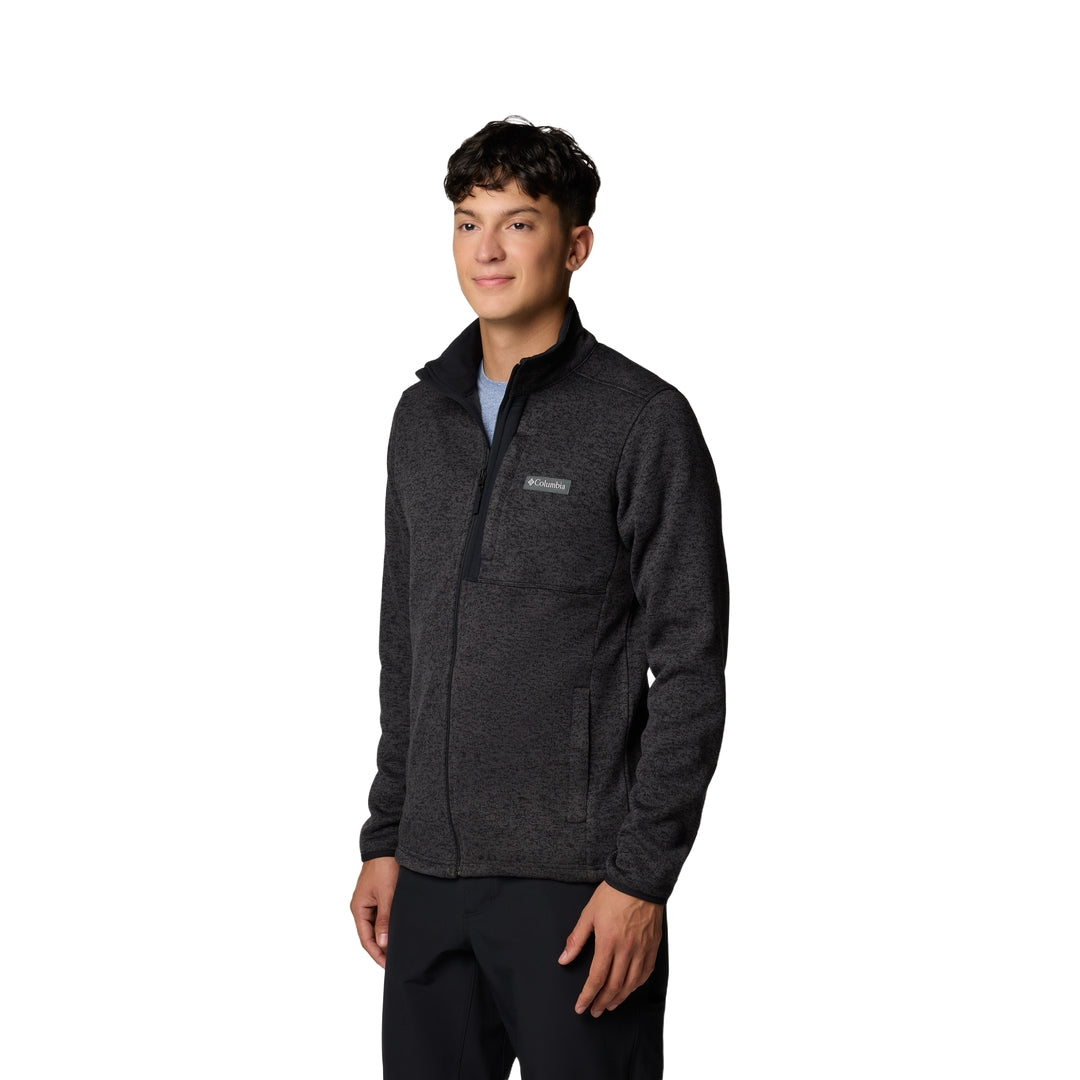
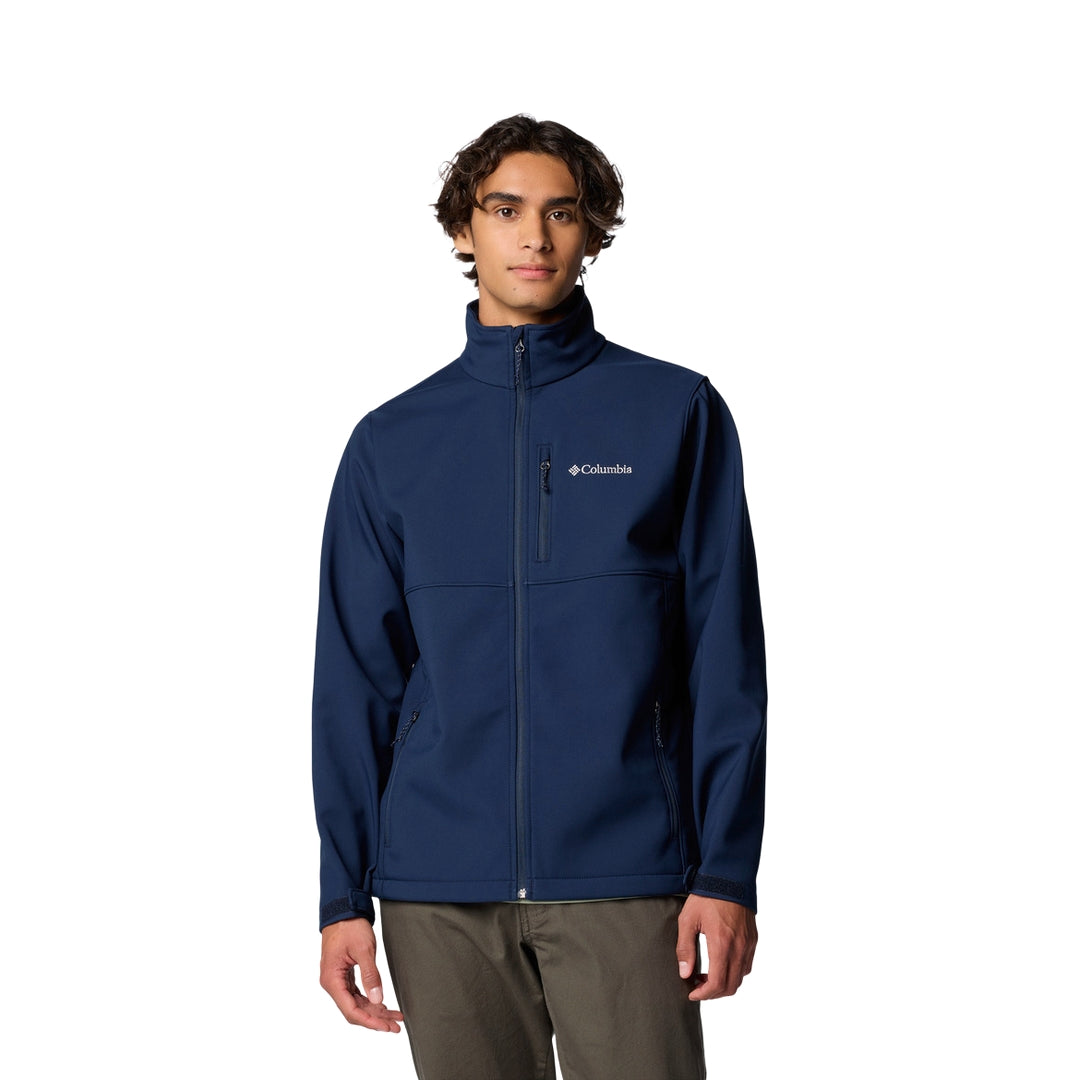
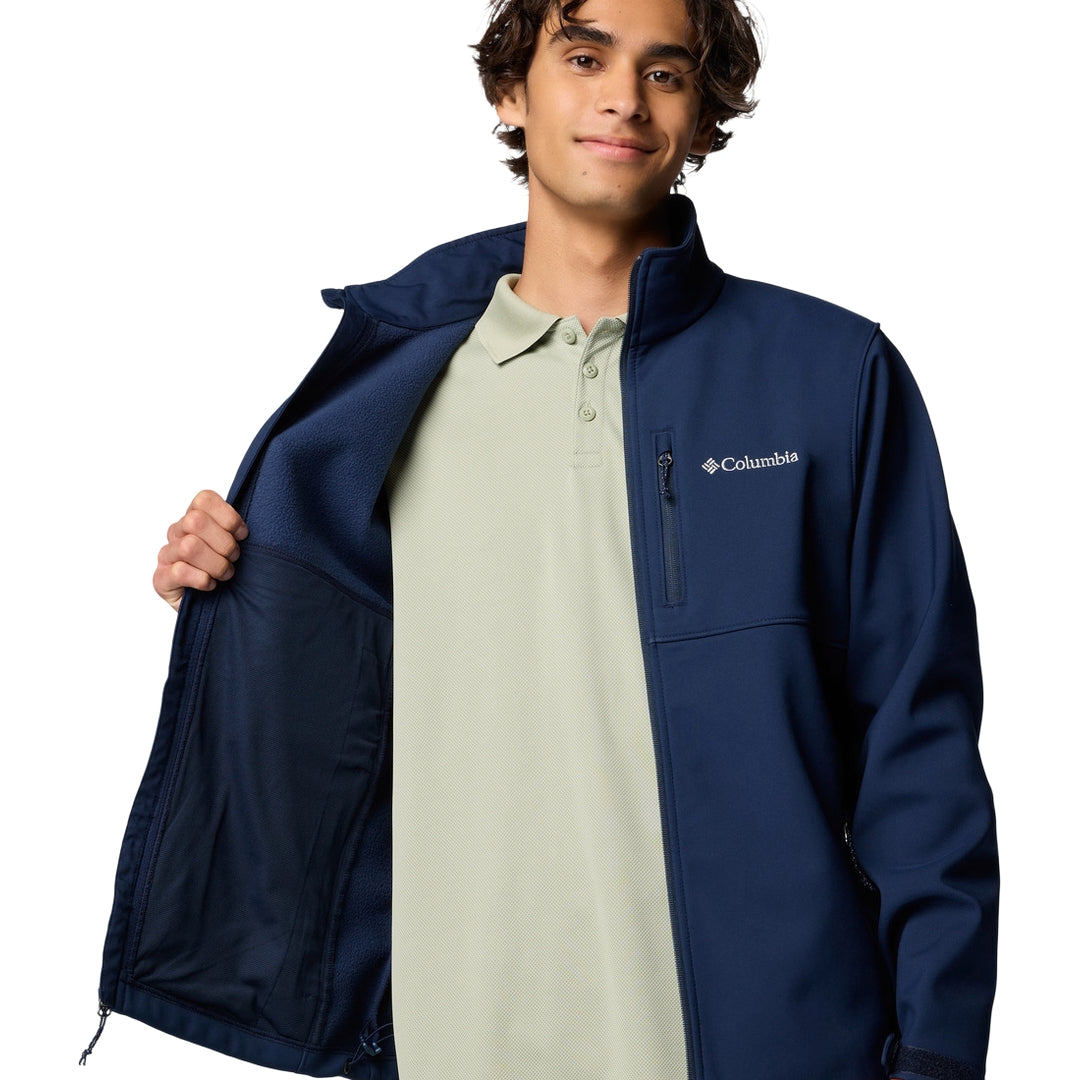
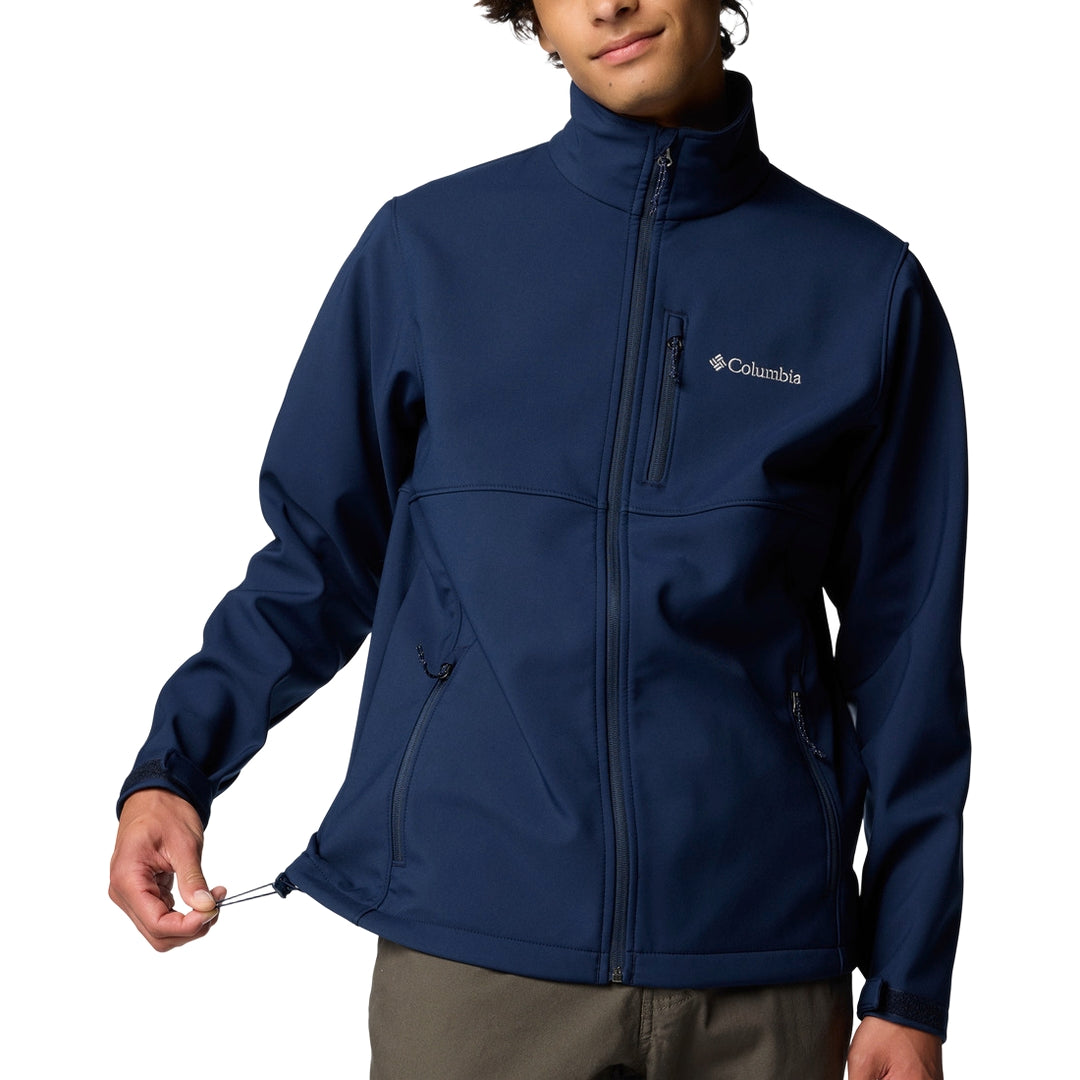
For cold summits, layer three pieces: a wicking base, an insulating mid, and a waterproof-breathable shell on top. The base moves sweat off your skin, the mid holds warmth, and the shell blocks wind and rain at exposed tops where the cold really bites.
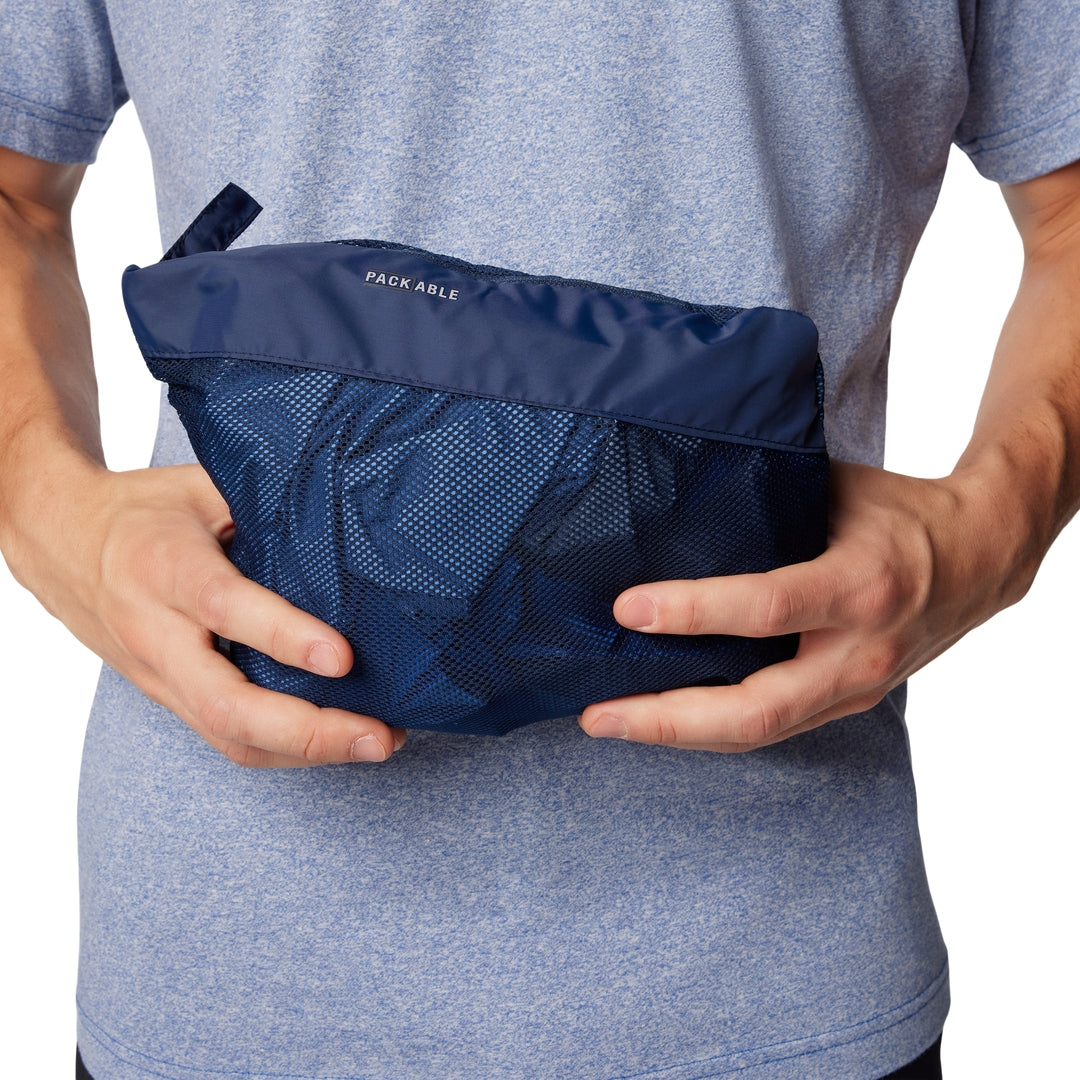
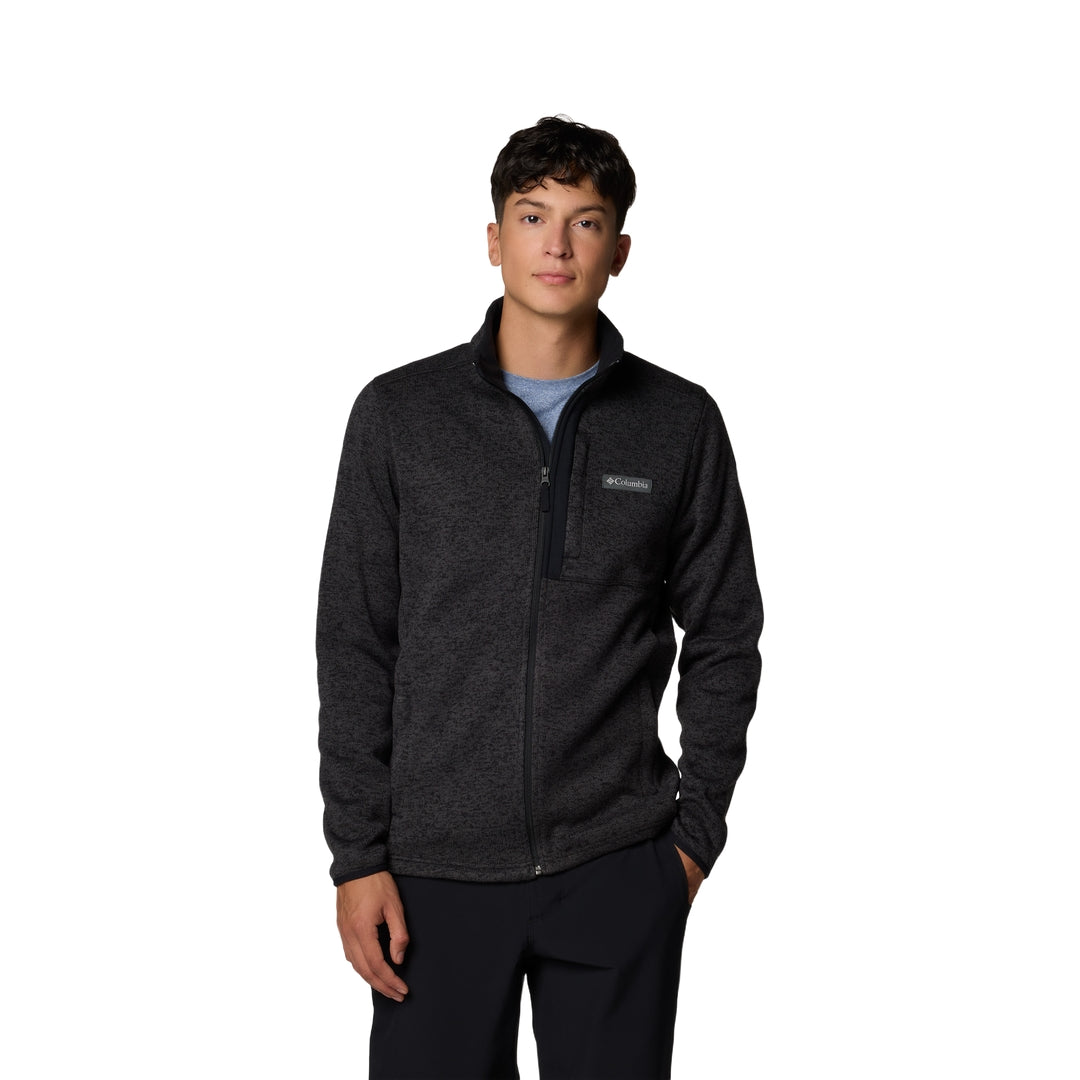
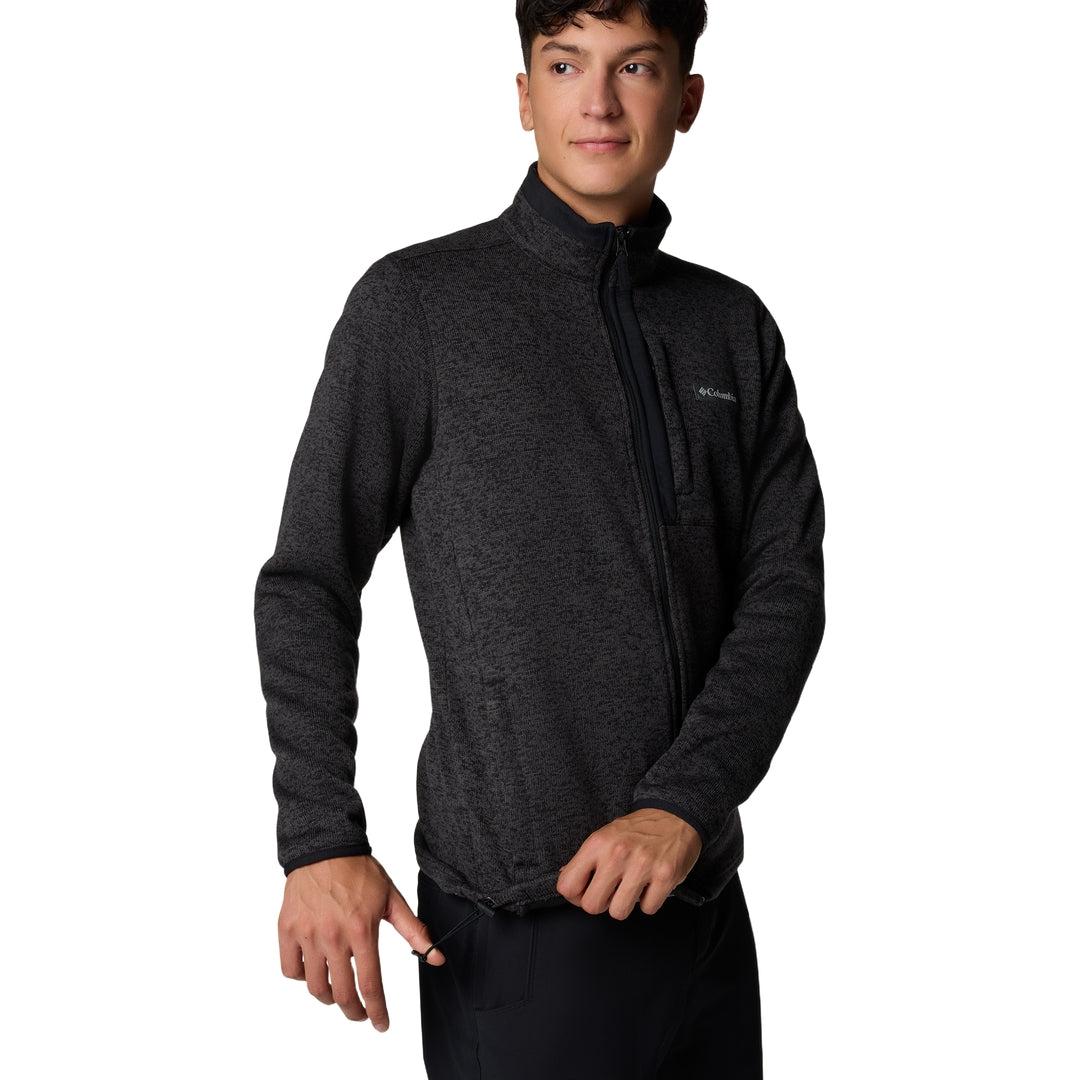
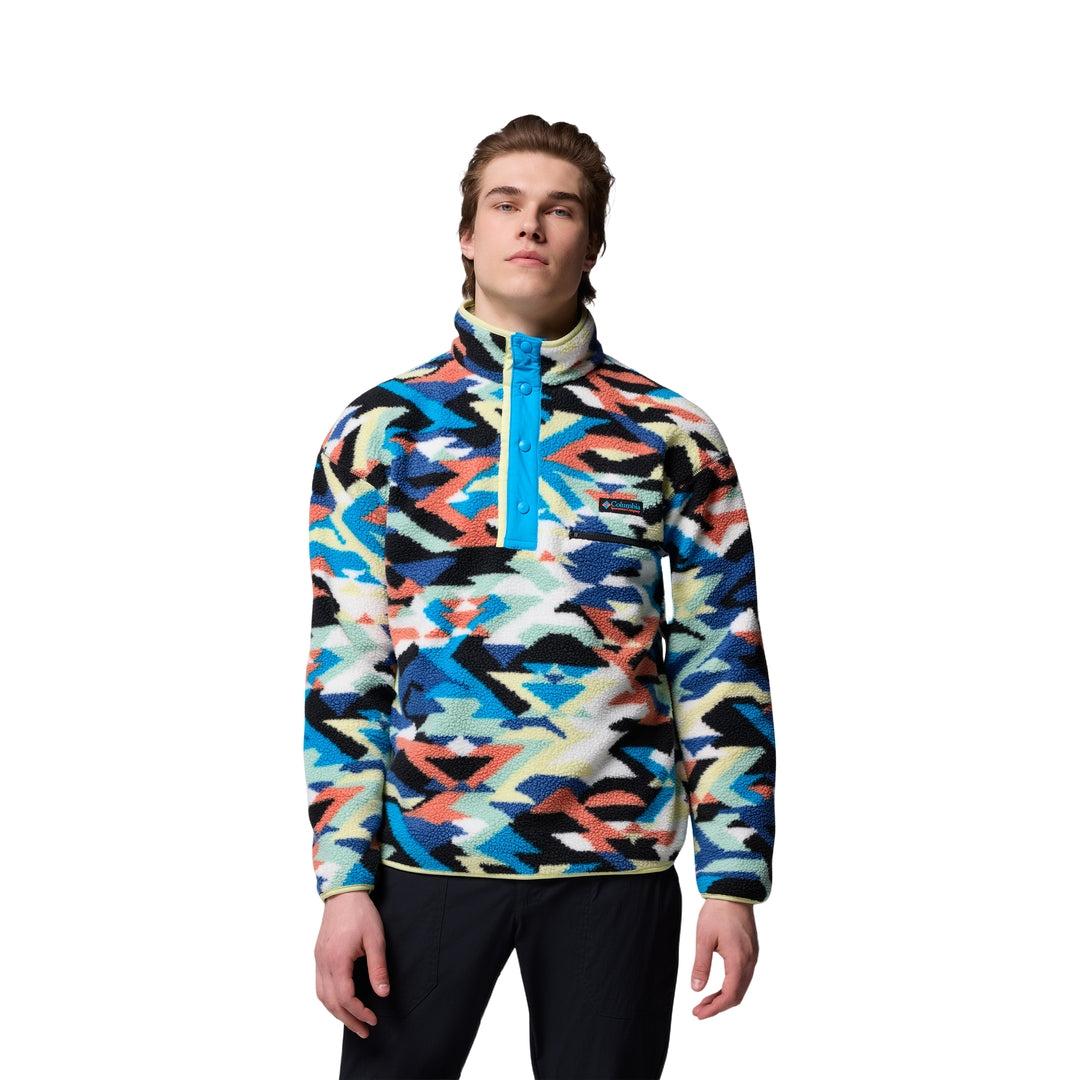
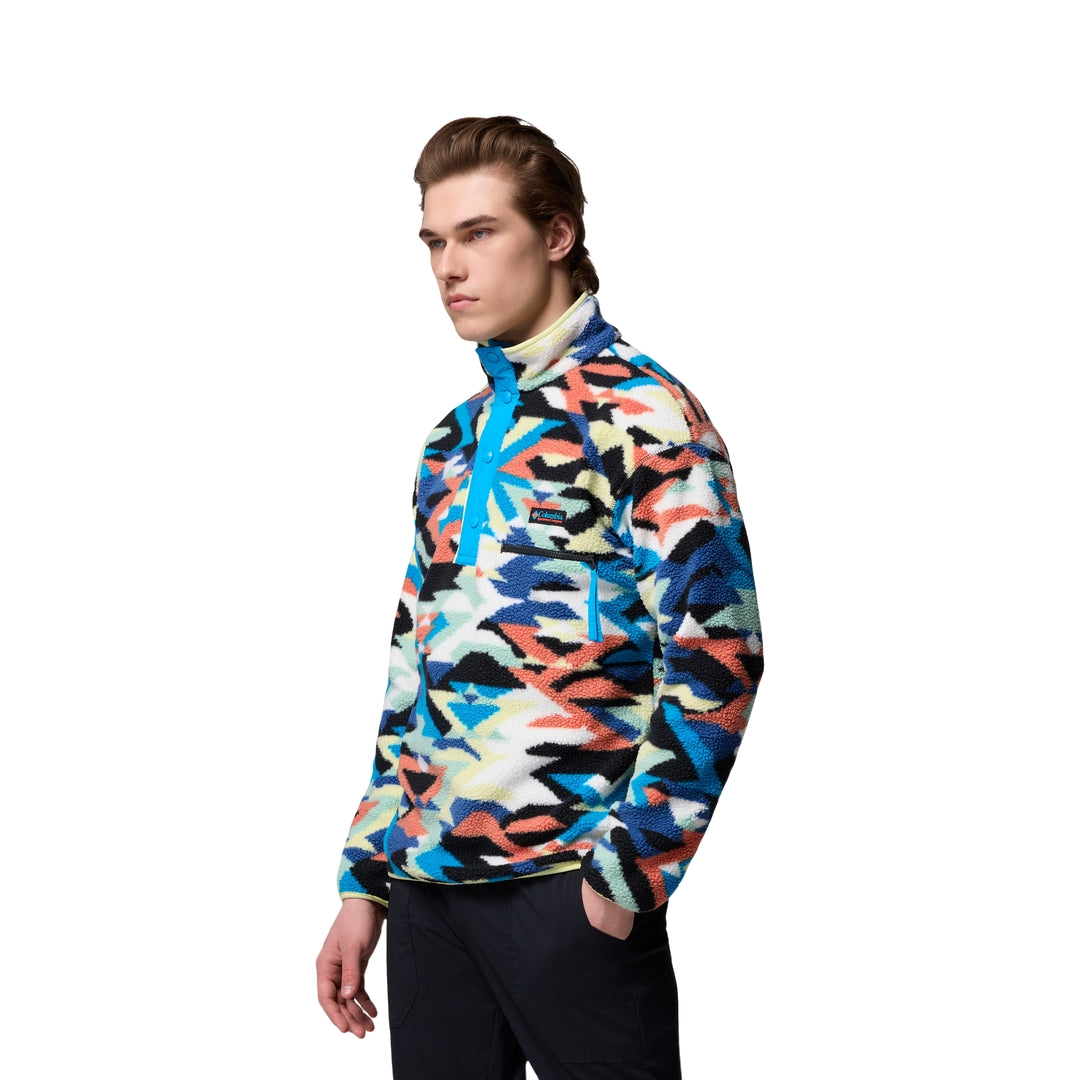
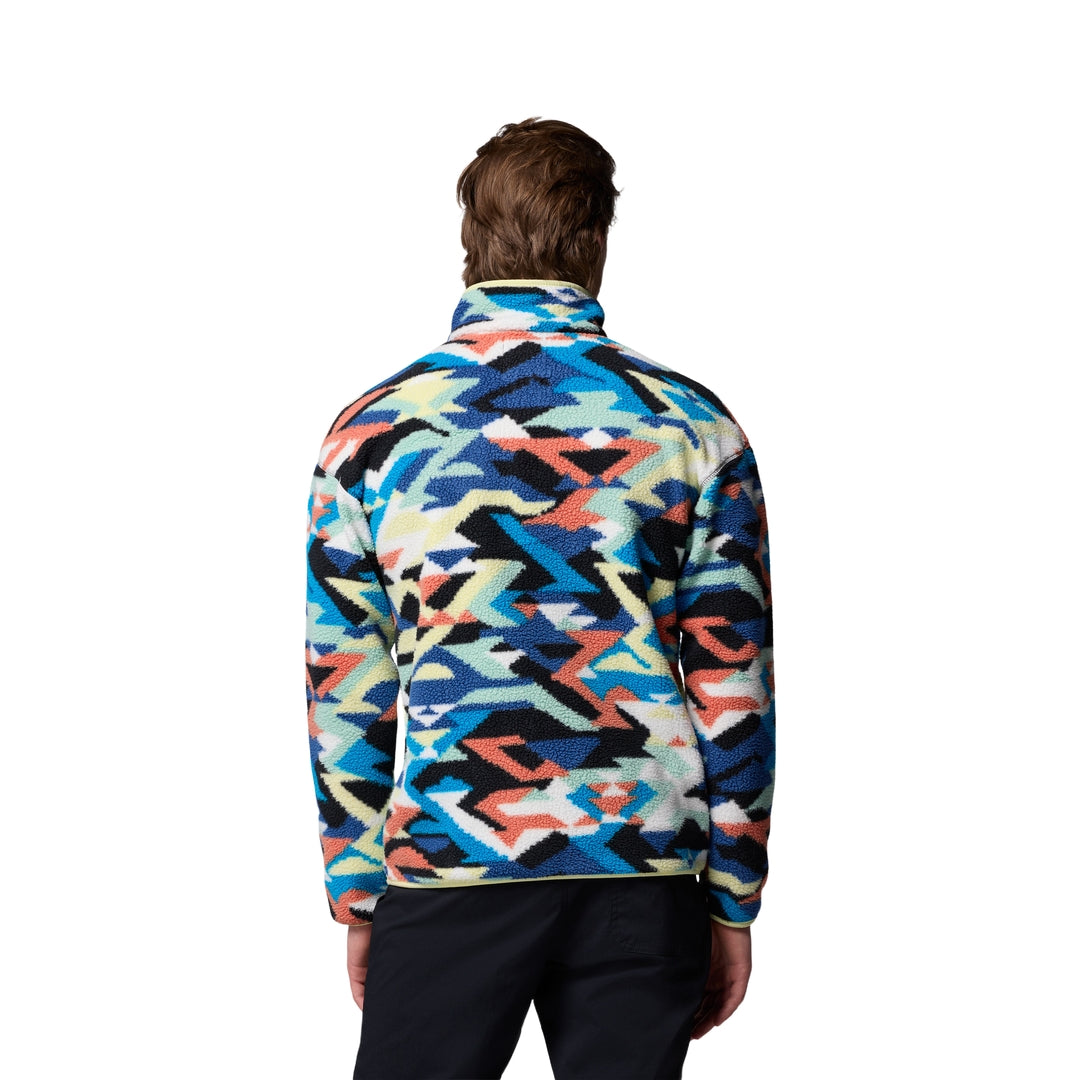
For the mid layer, a fleece is the reliable all-rounder, while an Omni-Heat piece gives you reflective warmth that packs down small, which matters when you are carrying everything up yourself. For the shell, pick your rain protection deliberately rather than grabbing the nearest jacket.
Which Columbia shoes are right for your activity?
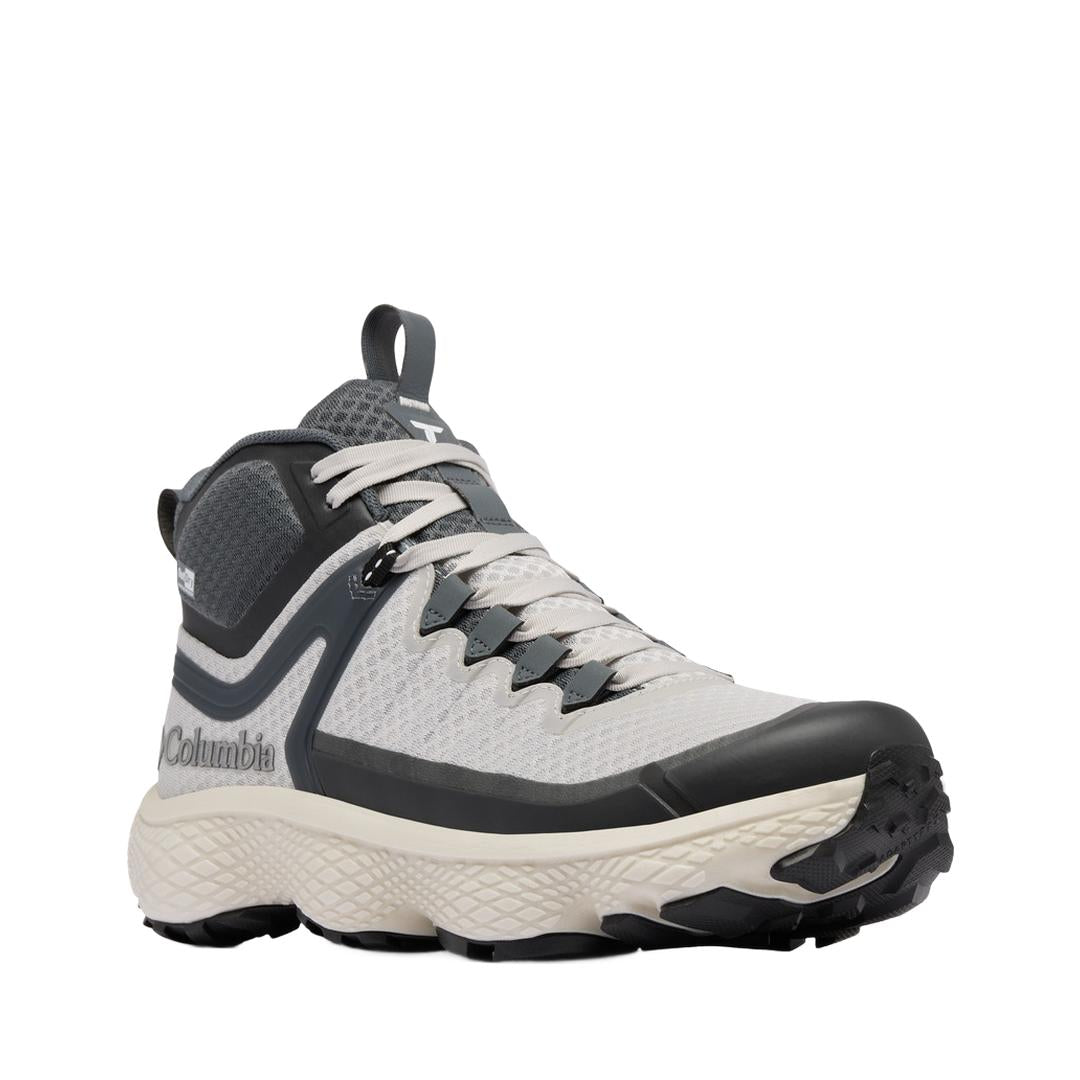
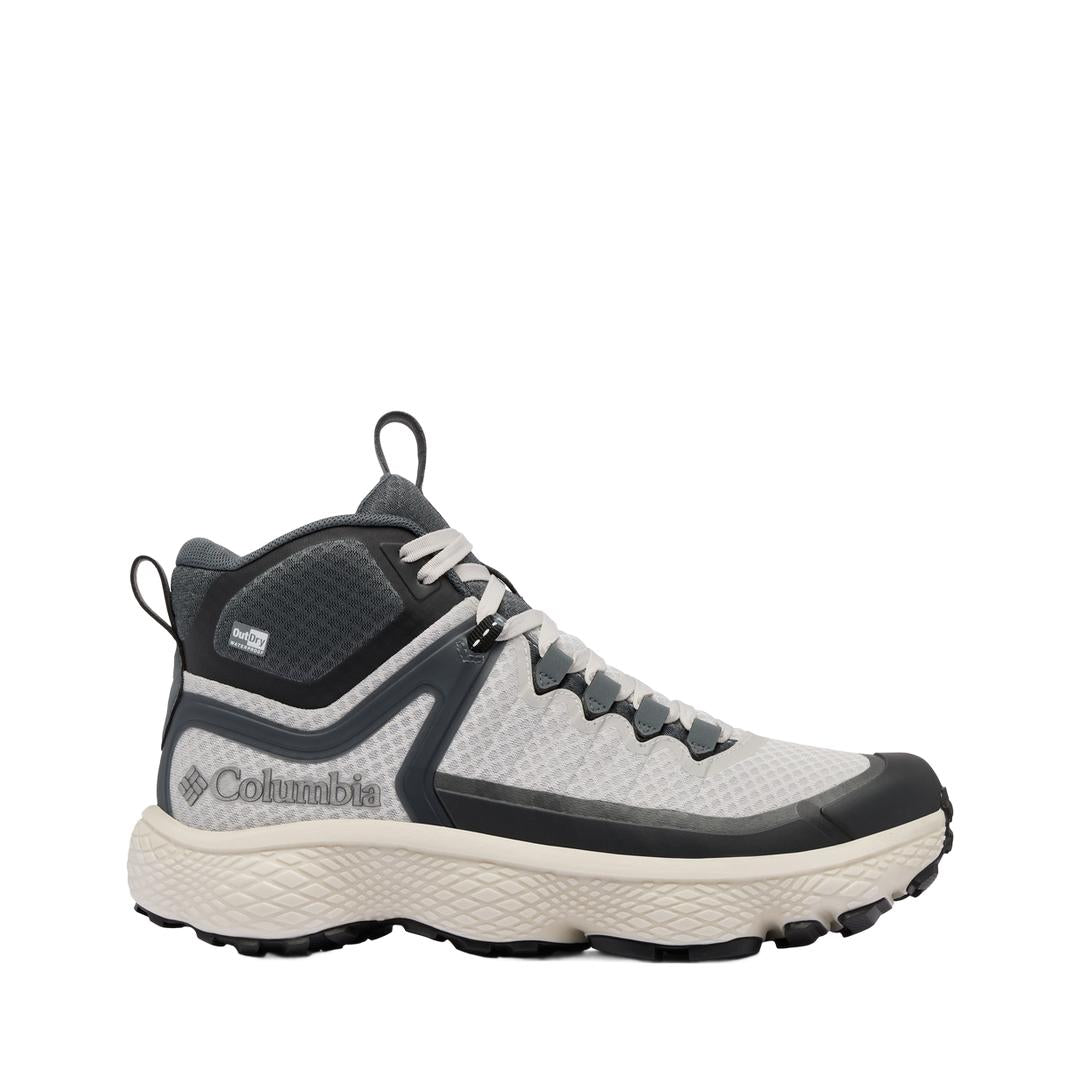
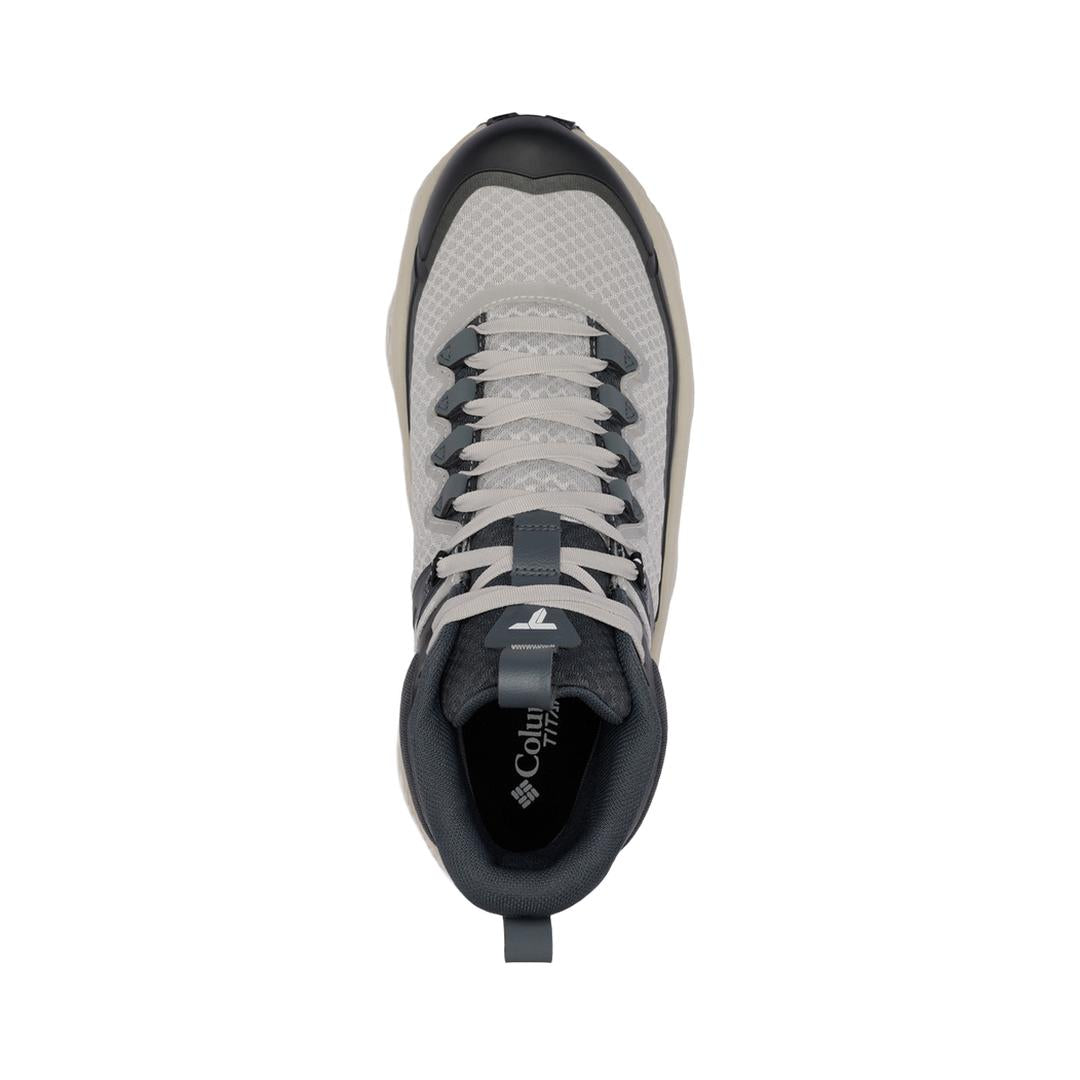
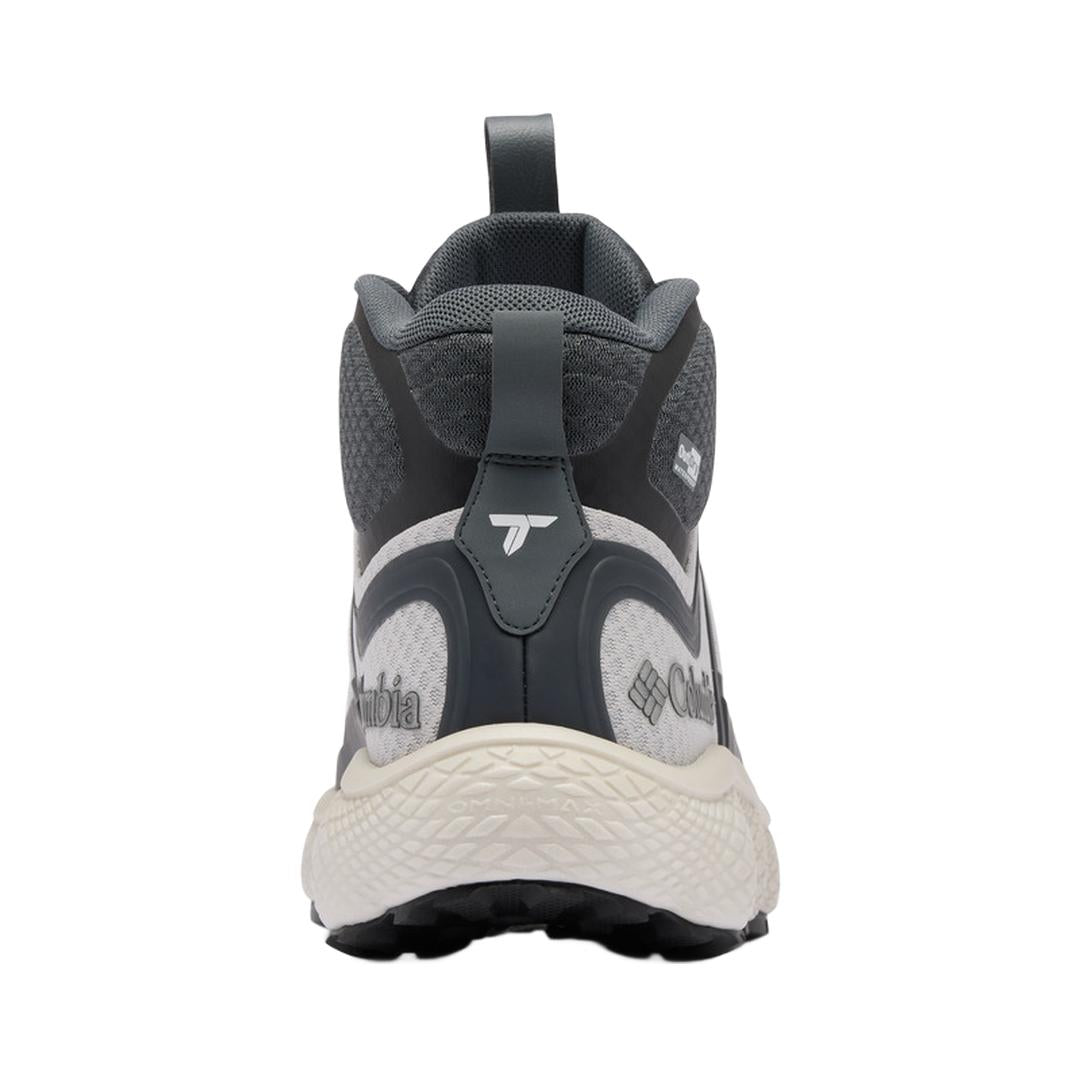
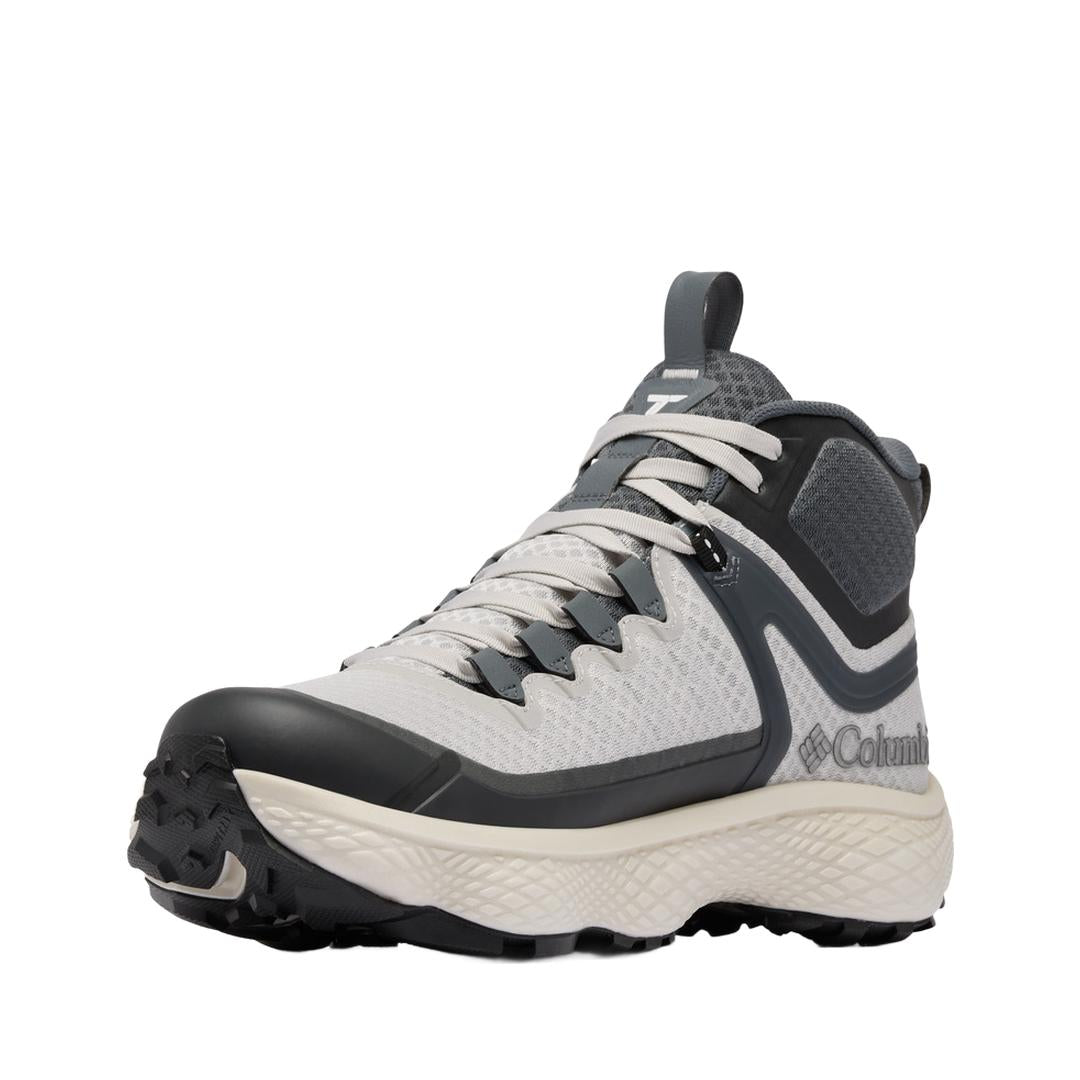
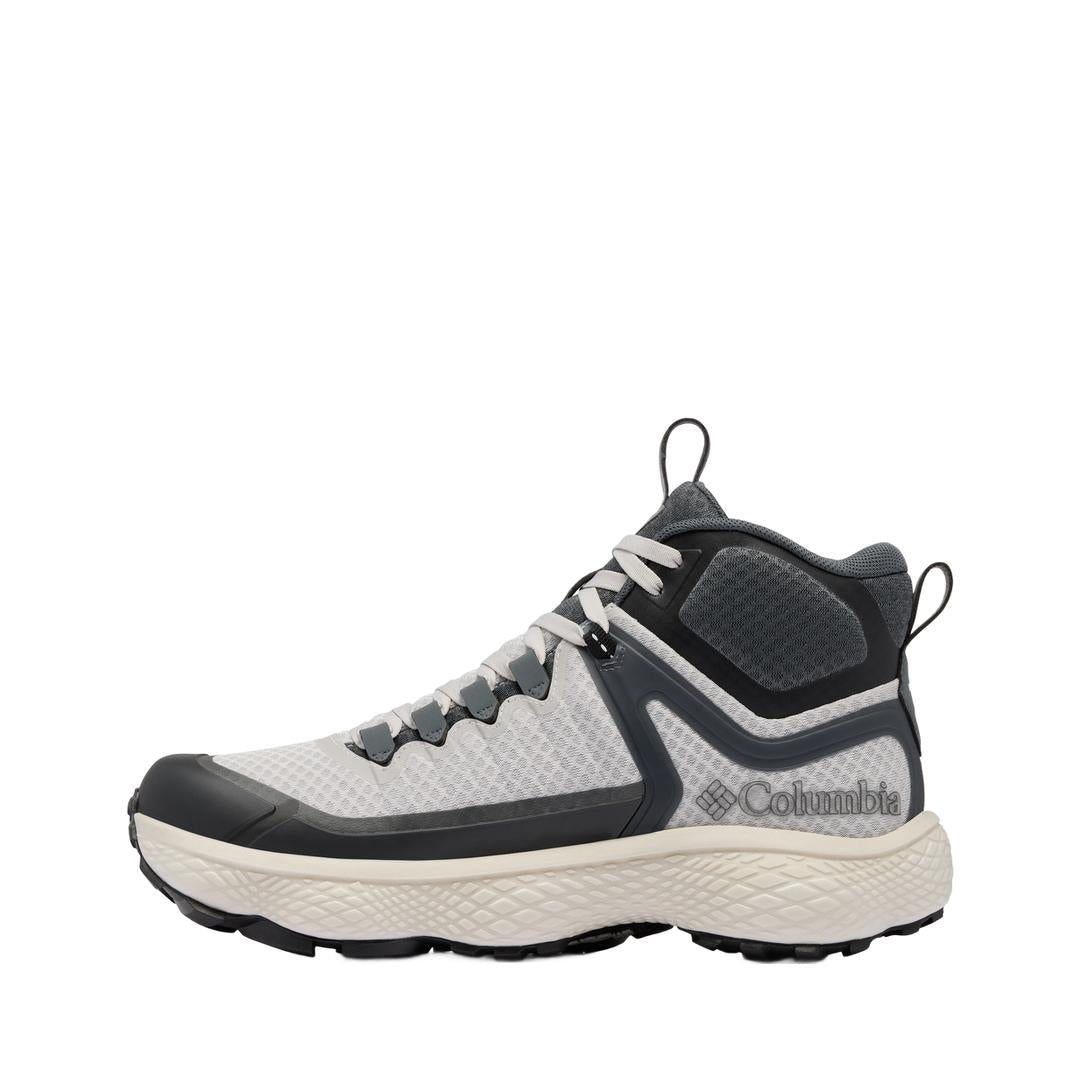
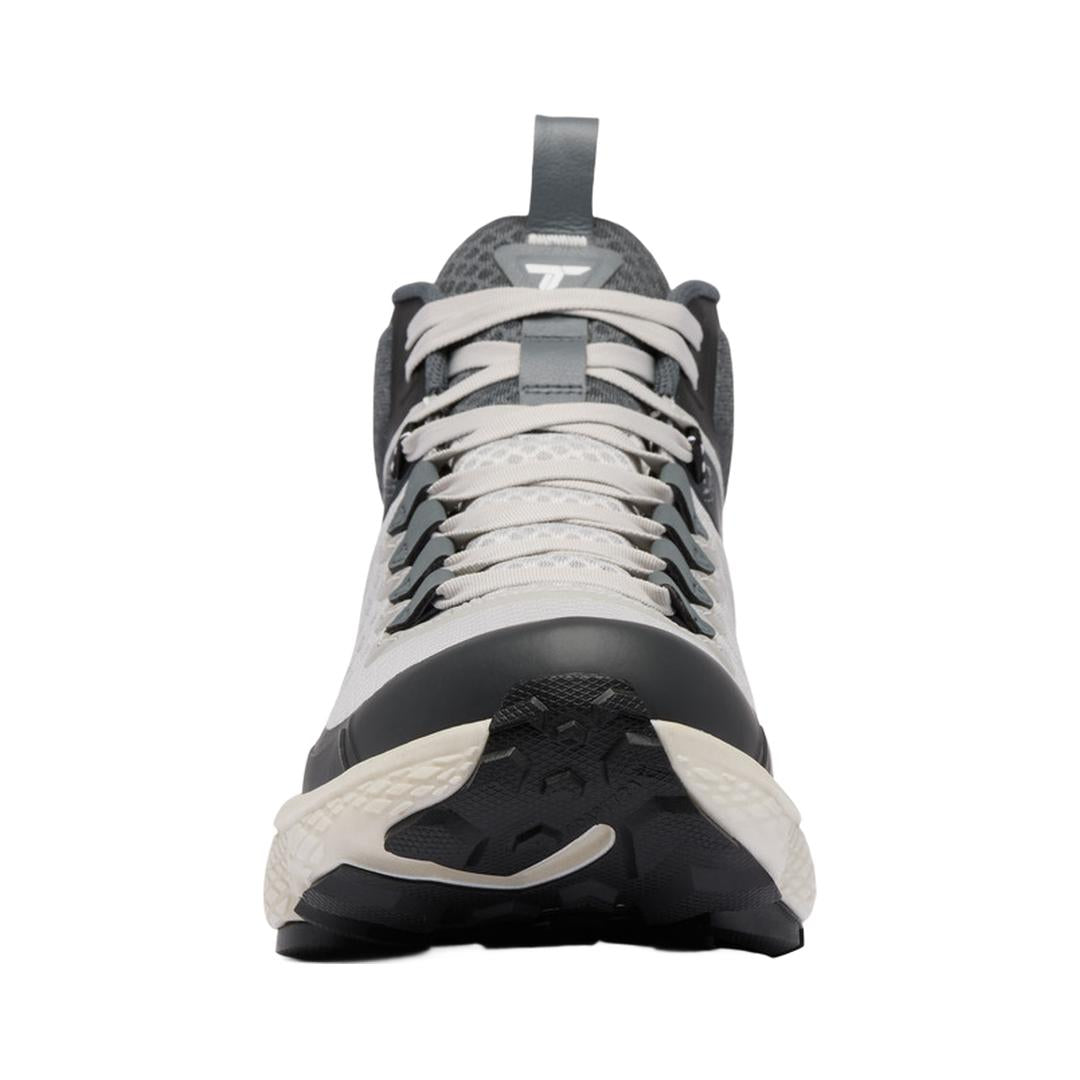
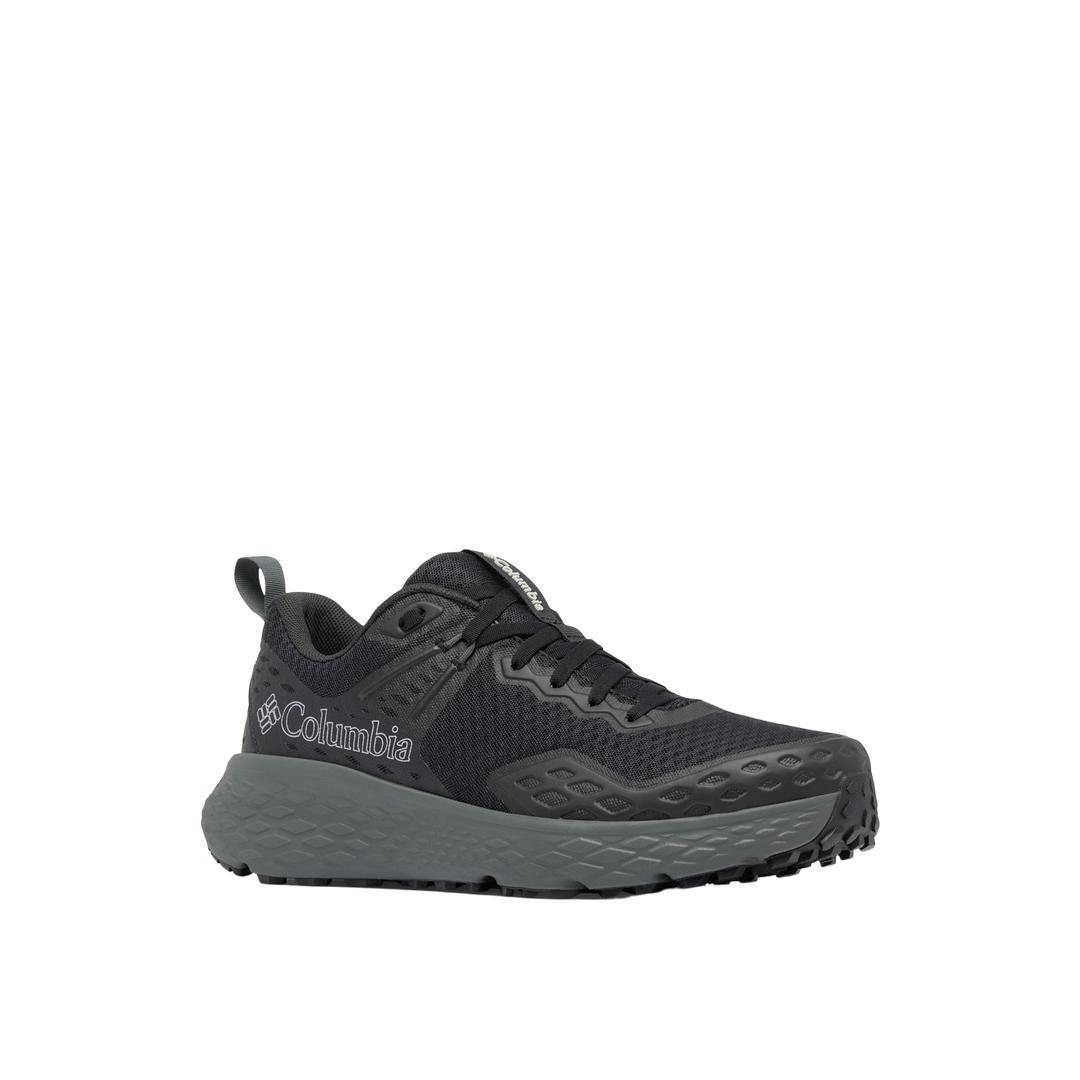
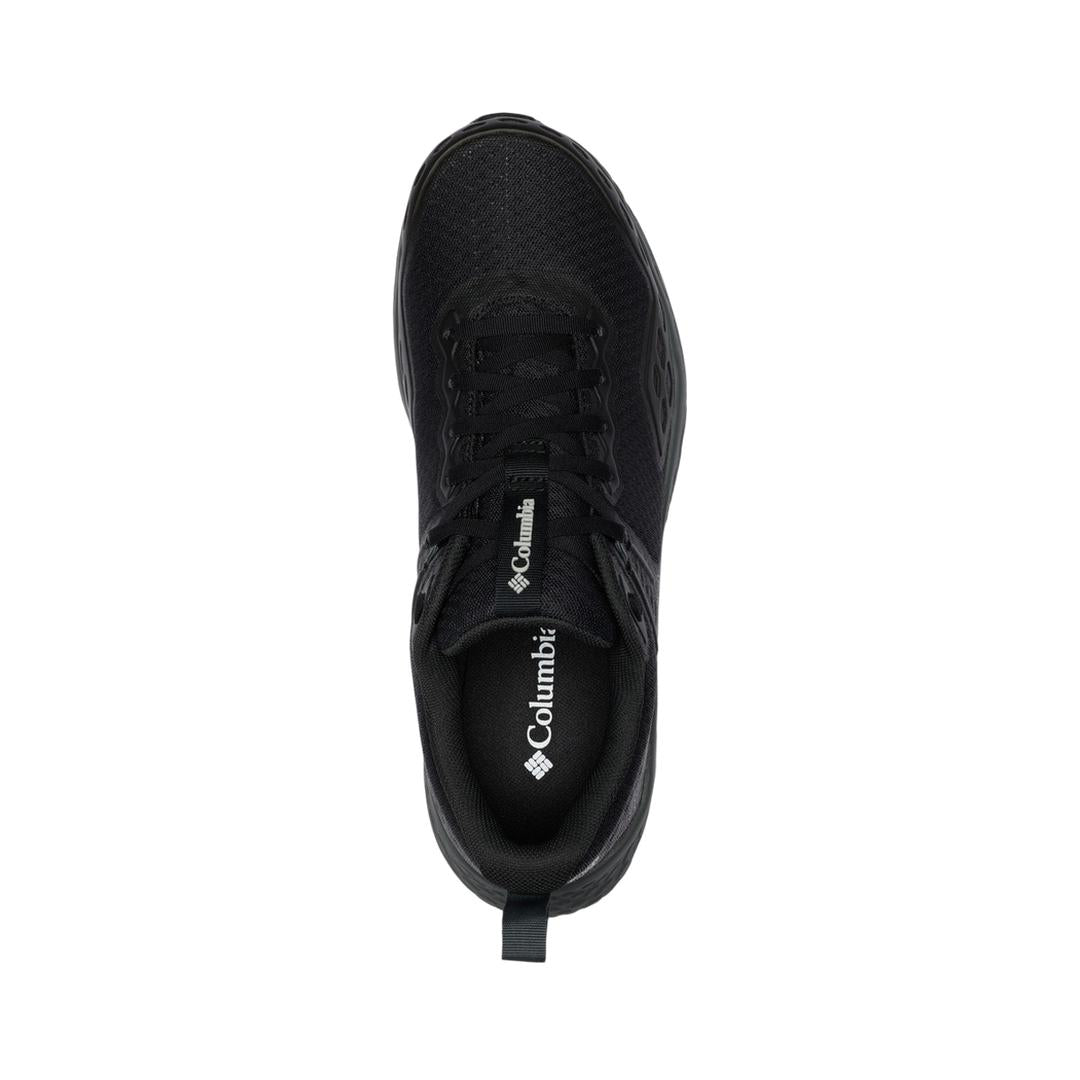
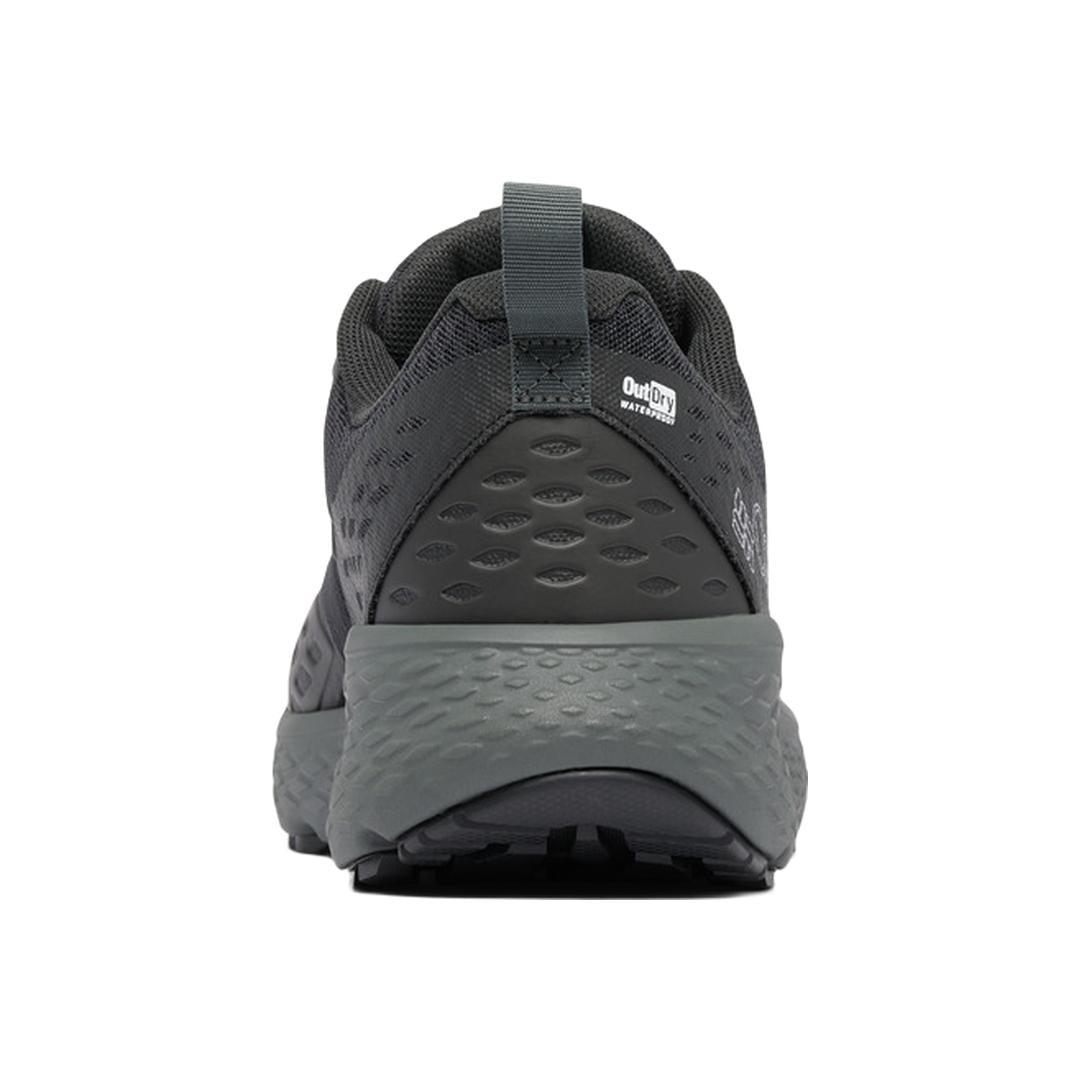
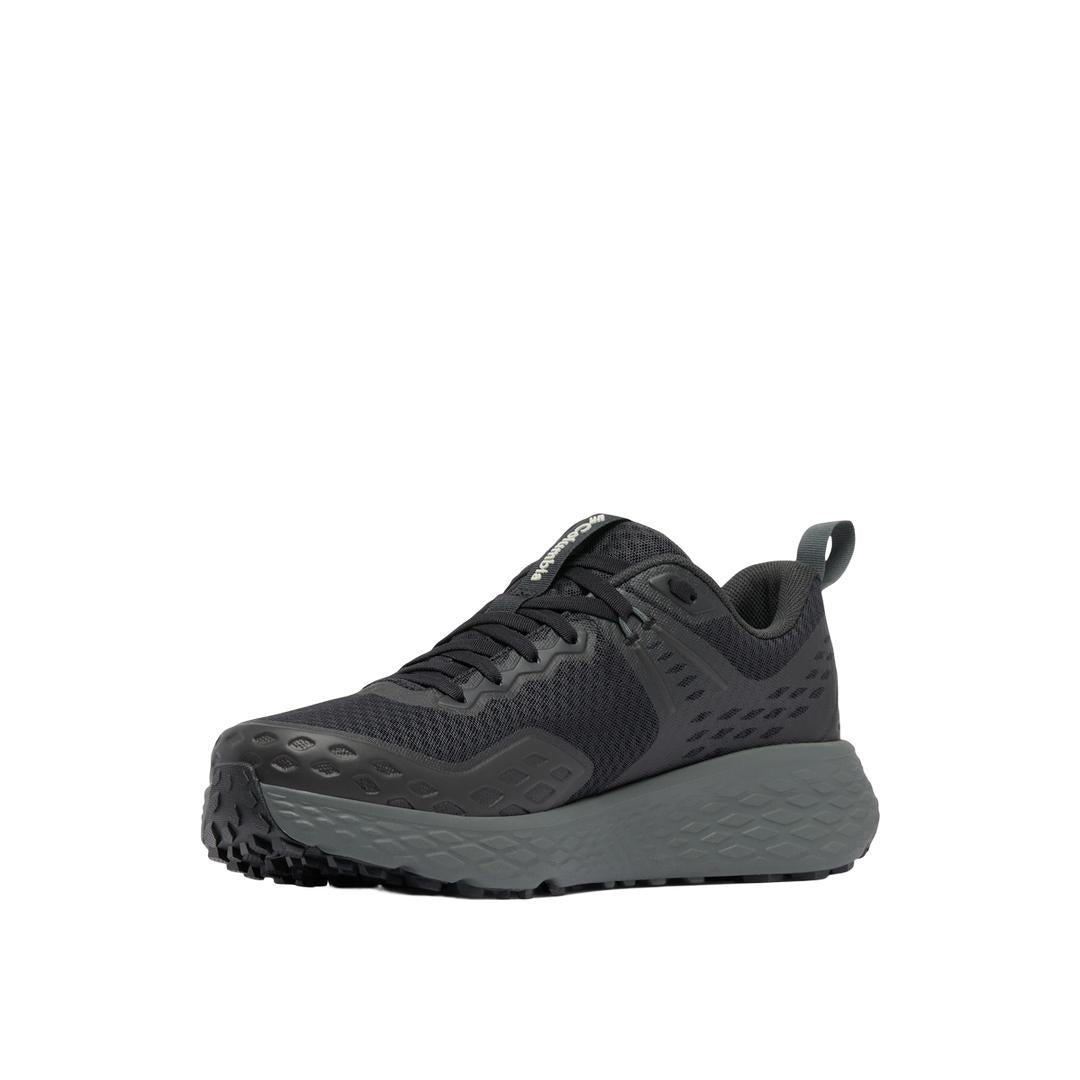
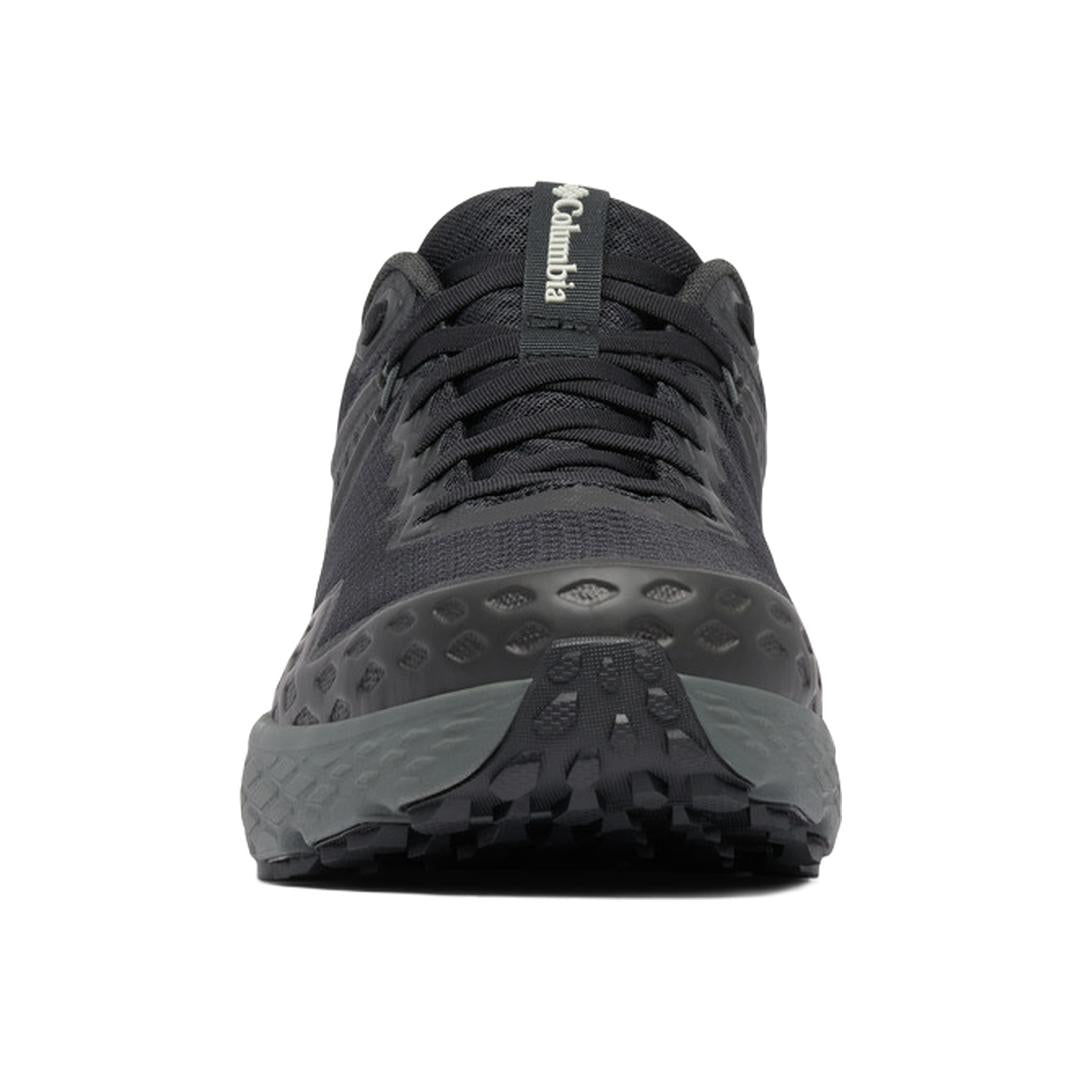
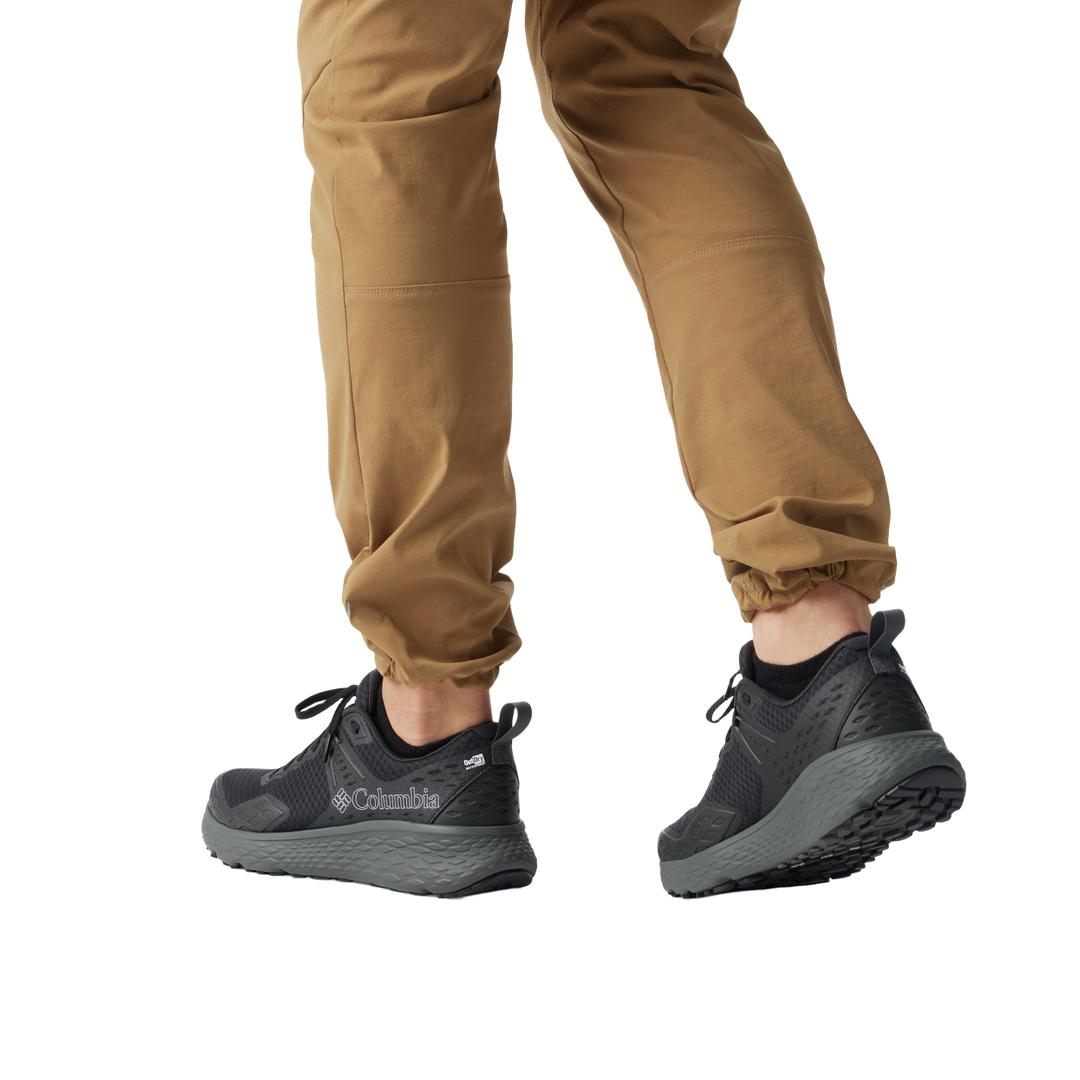
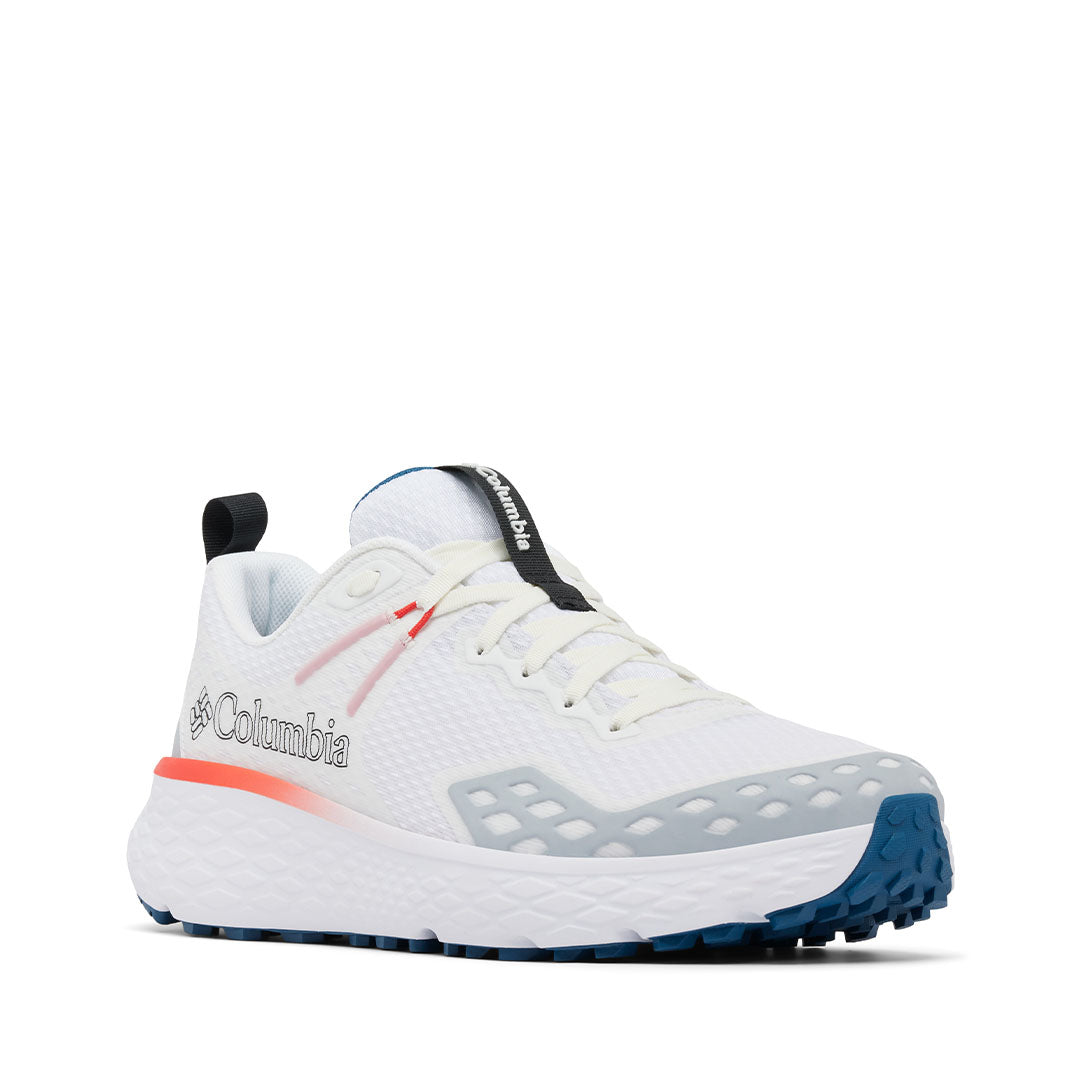
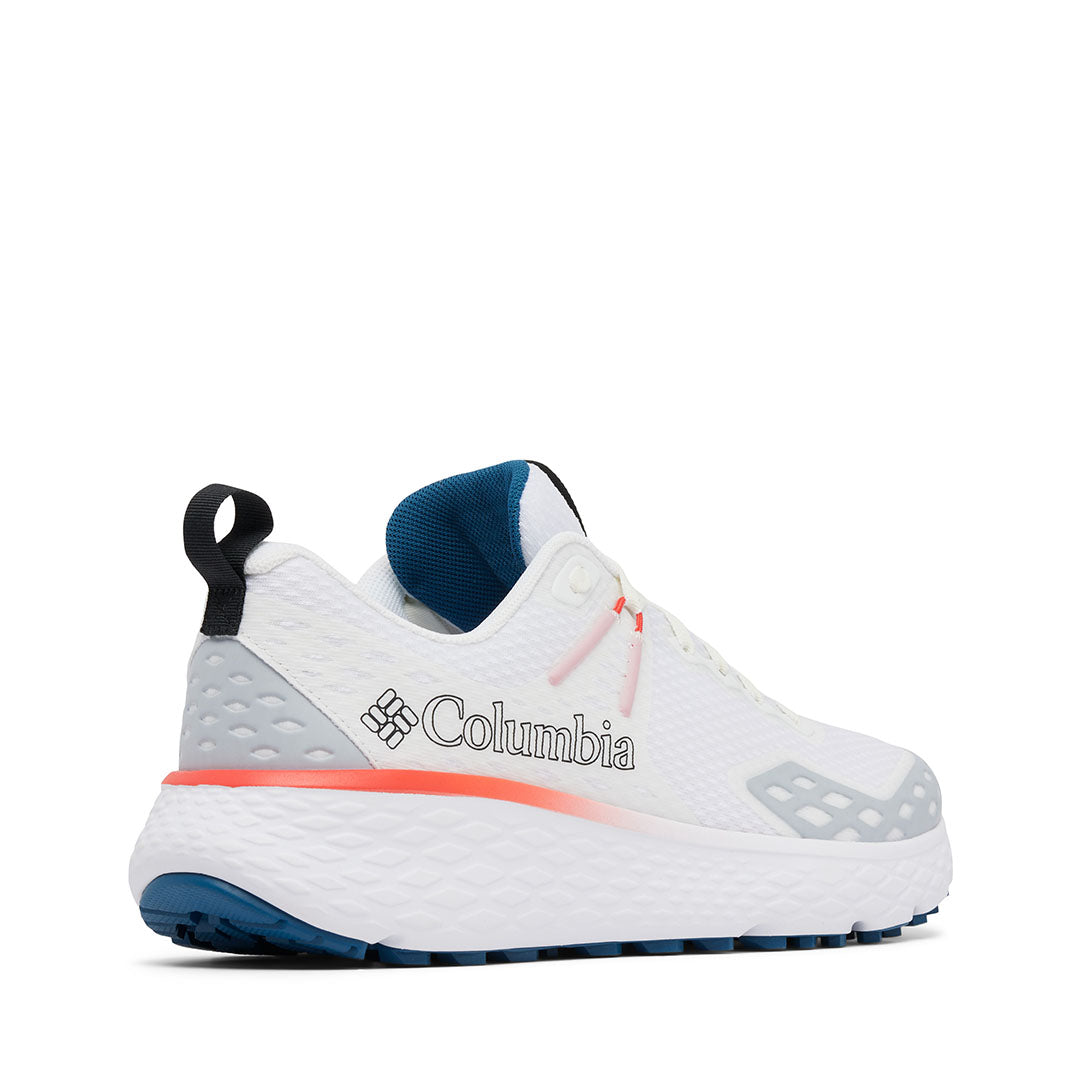
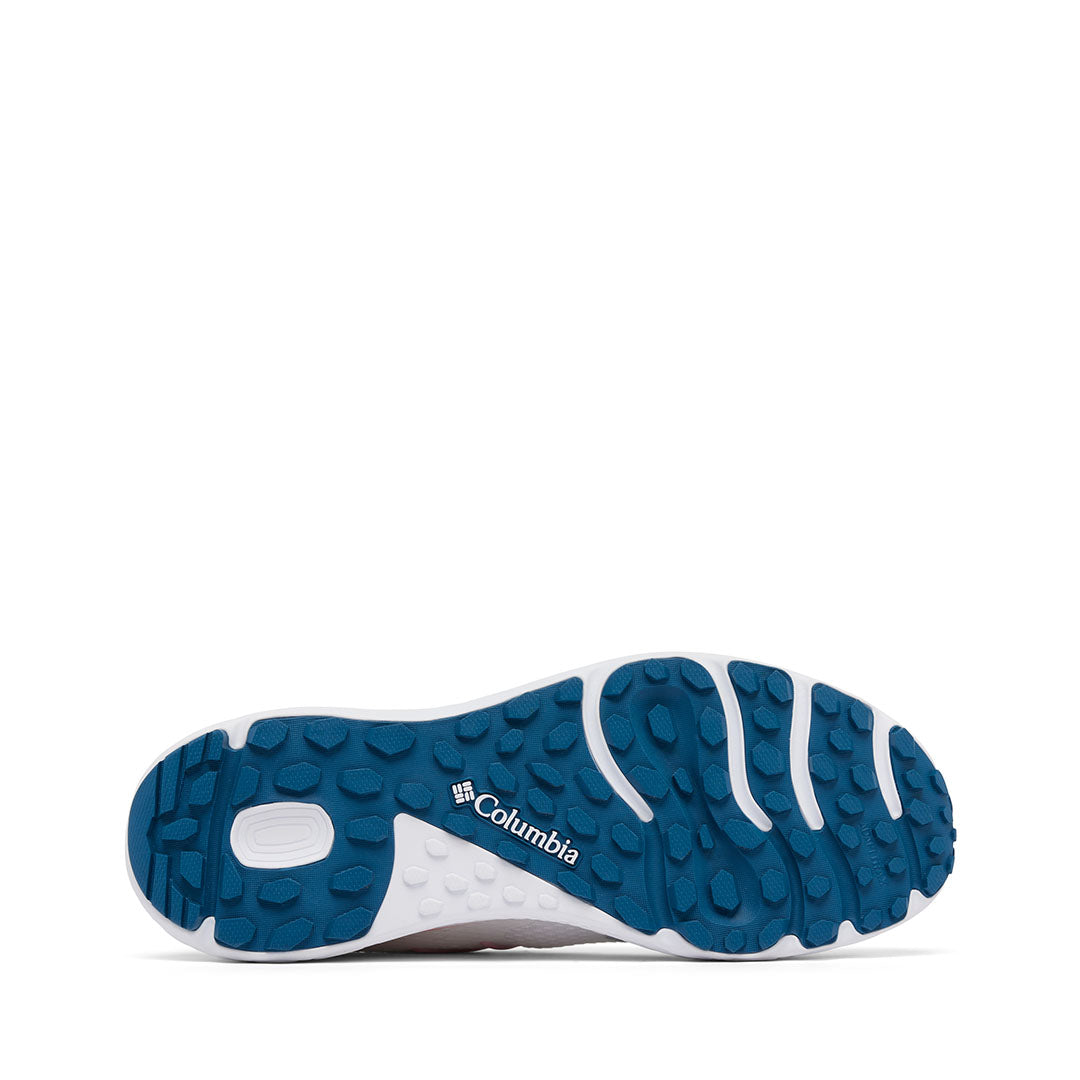
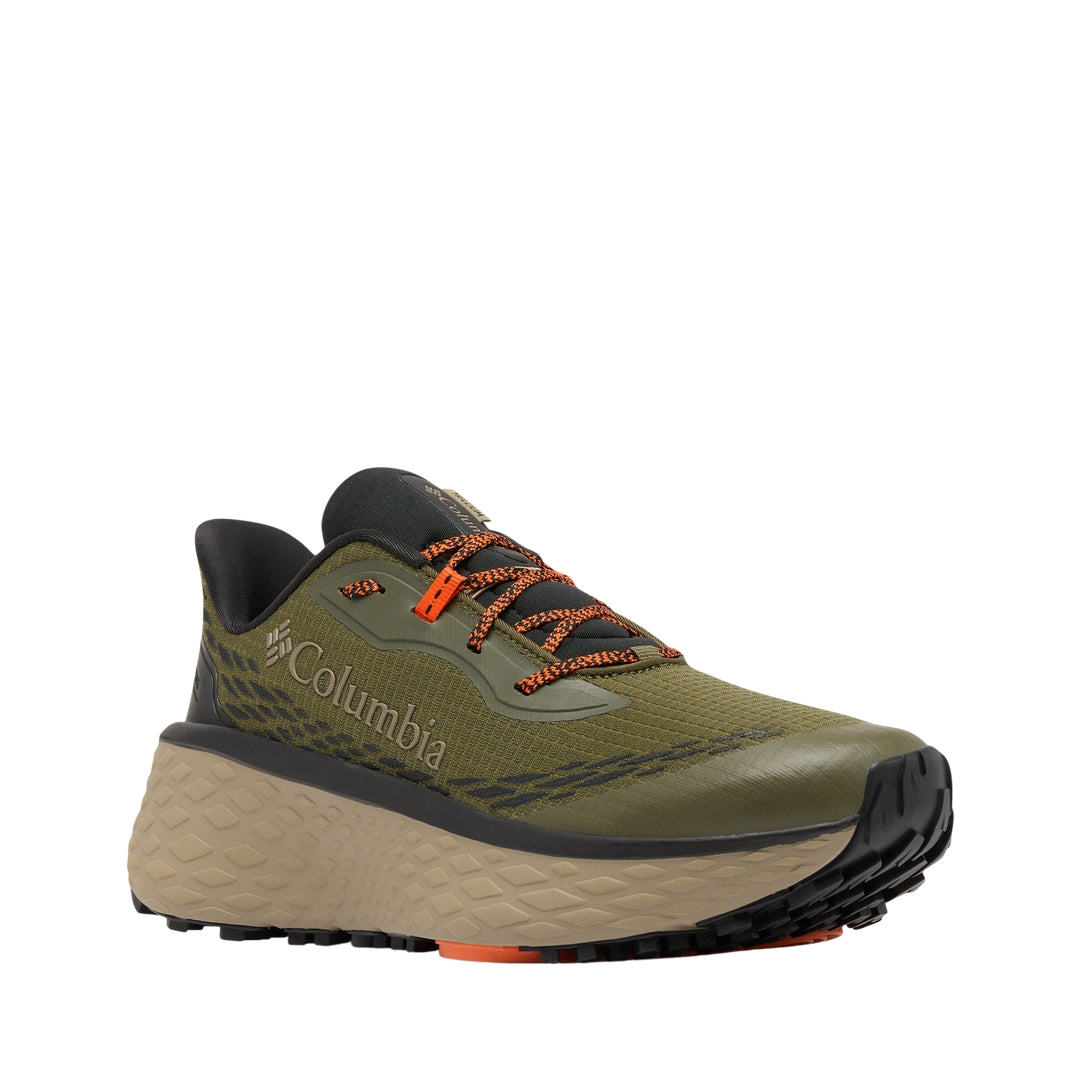
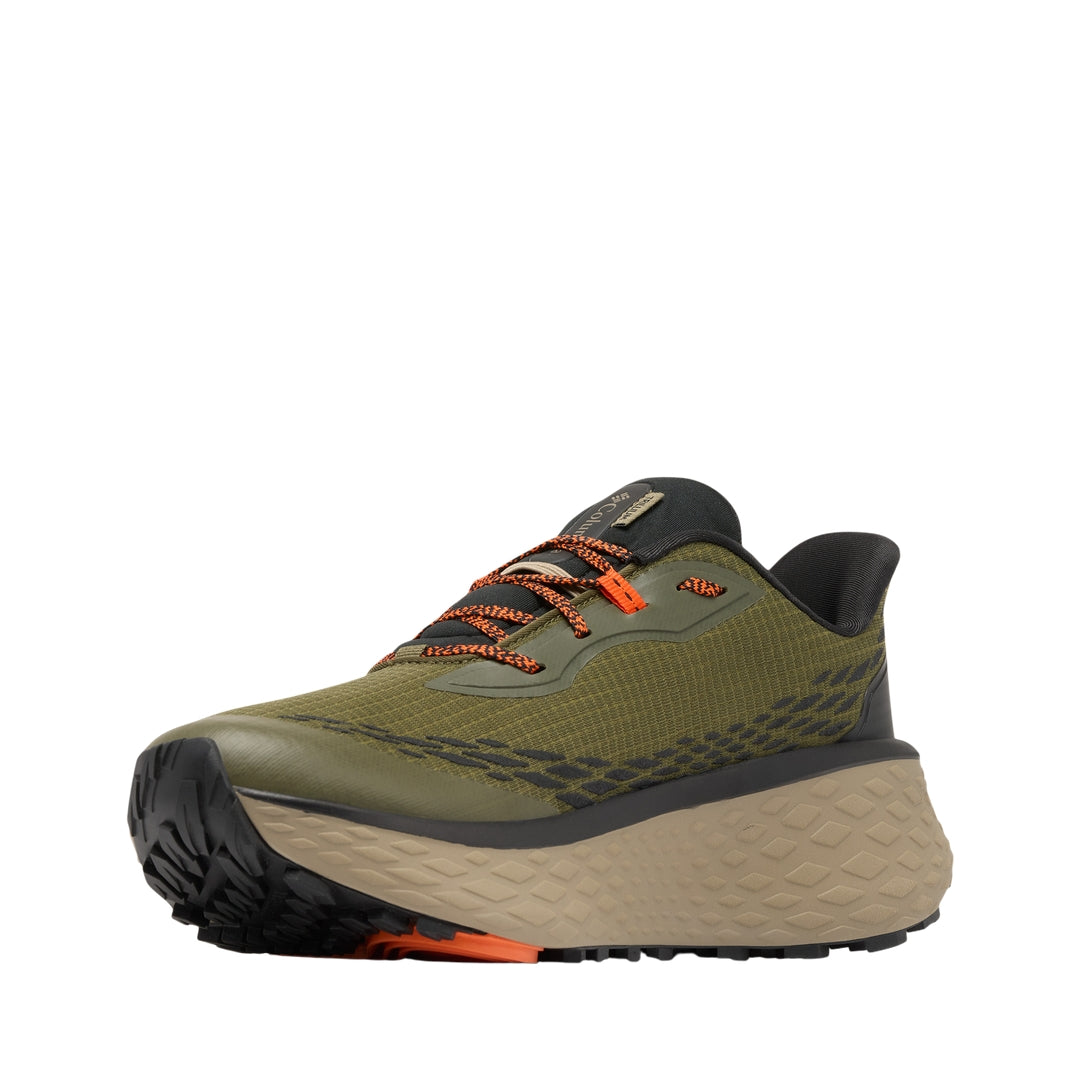
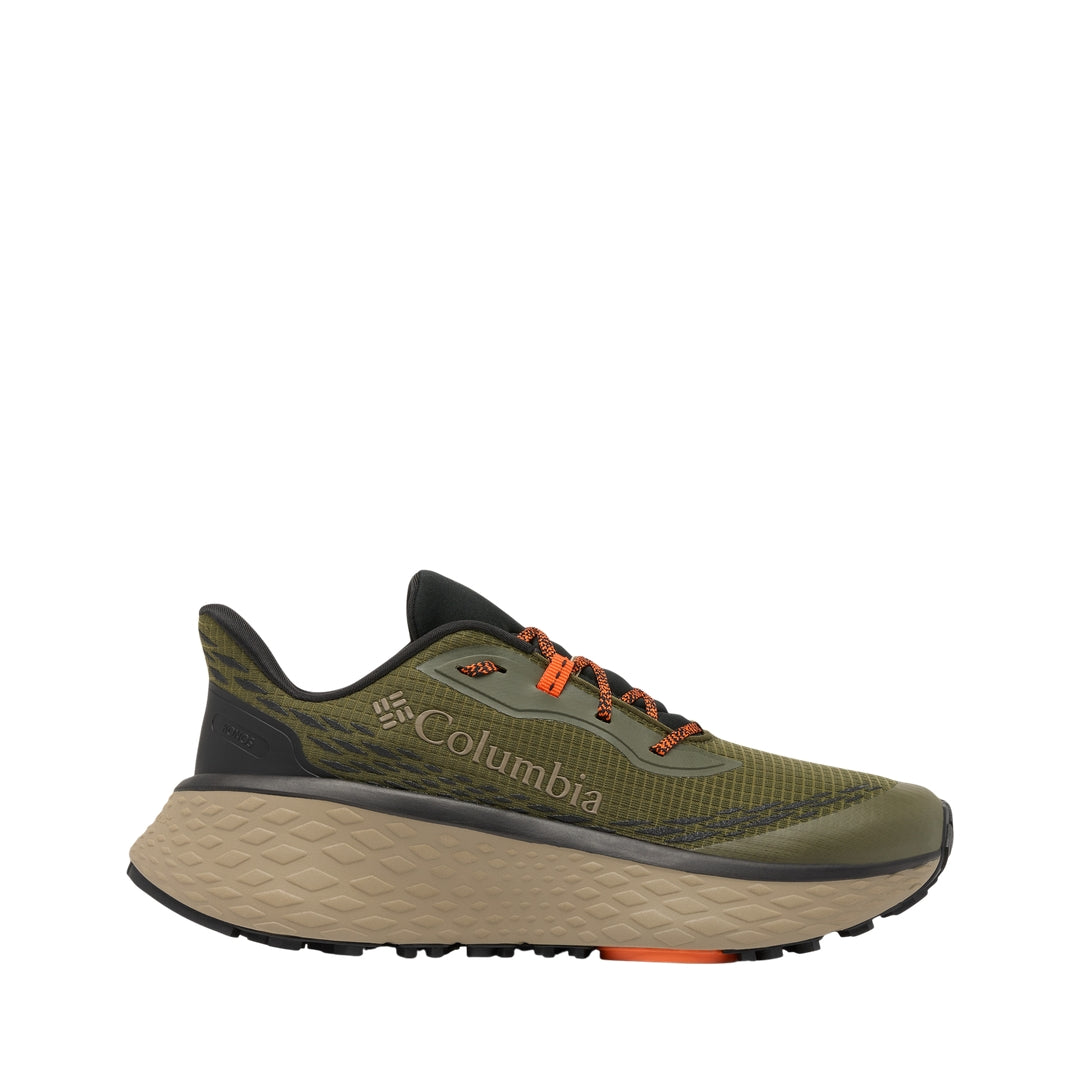
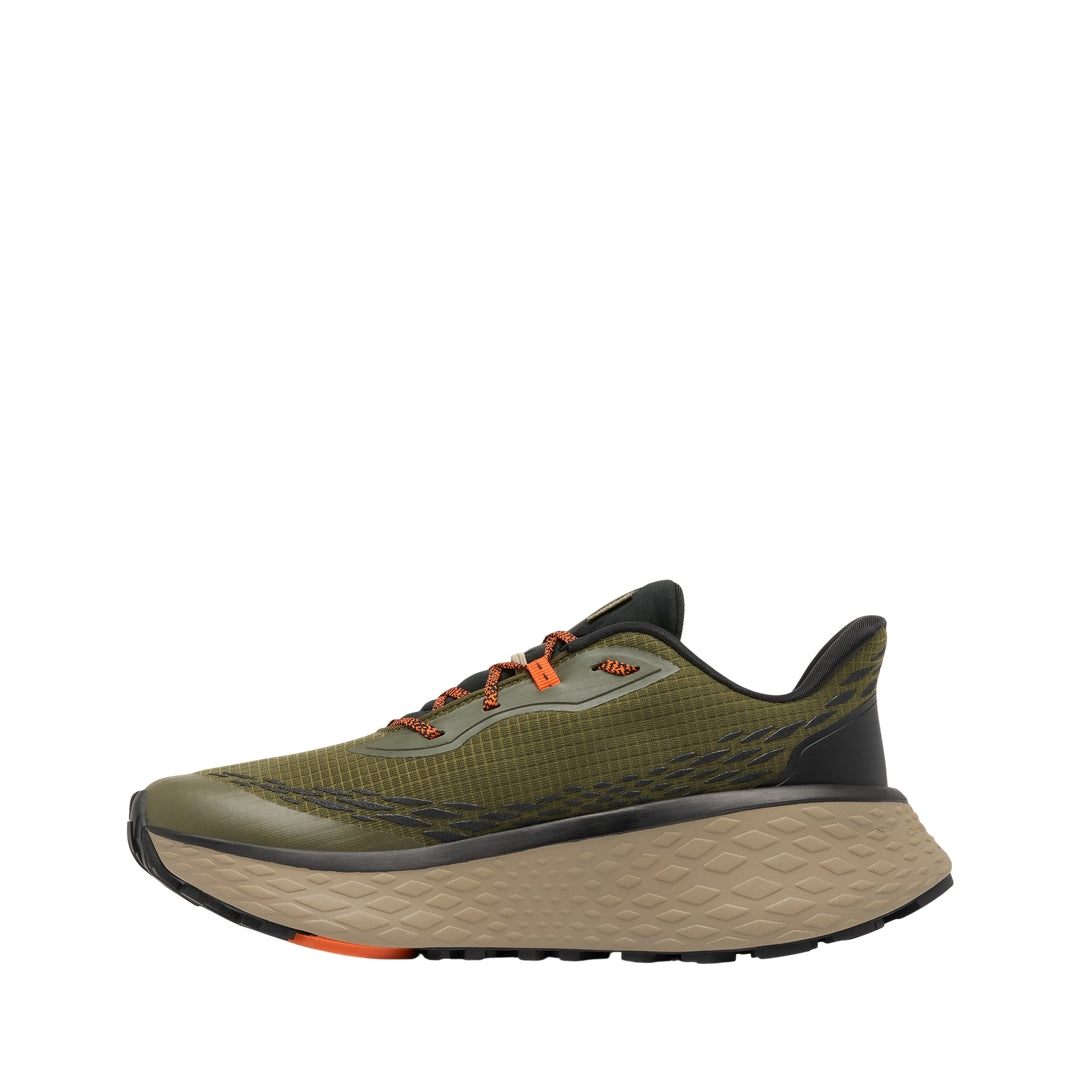
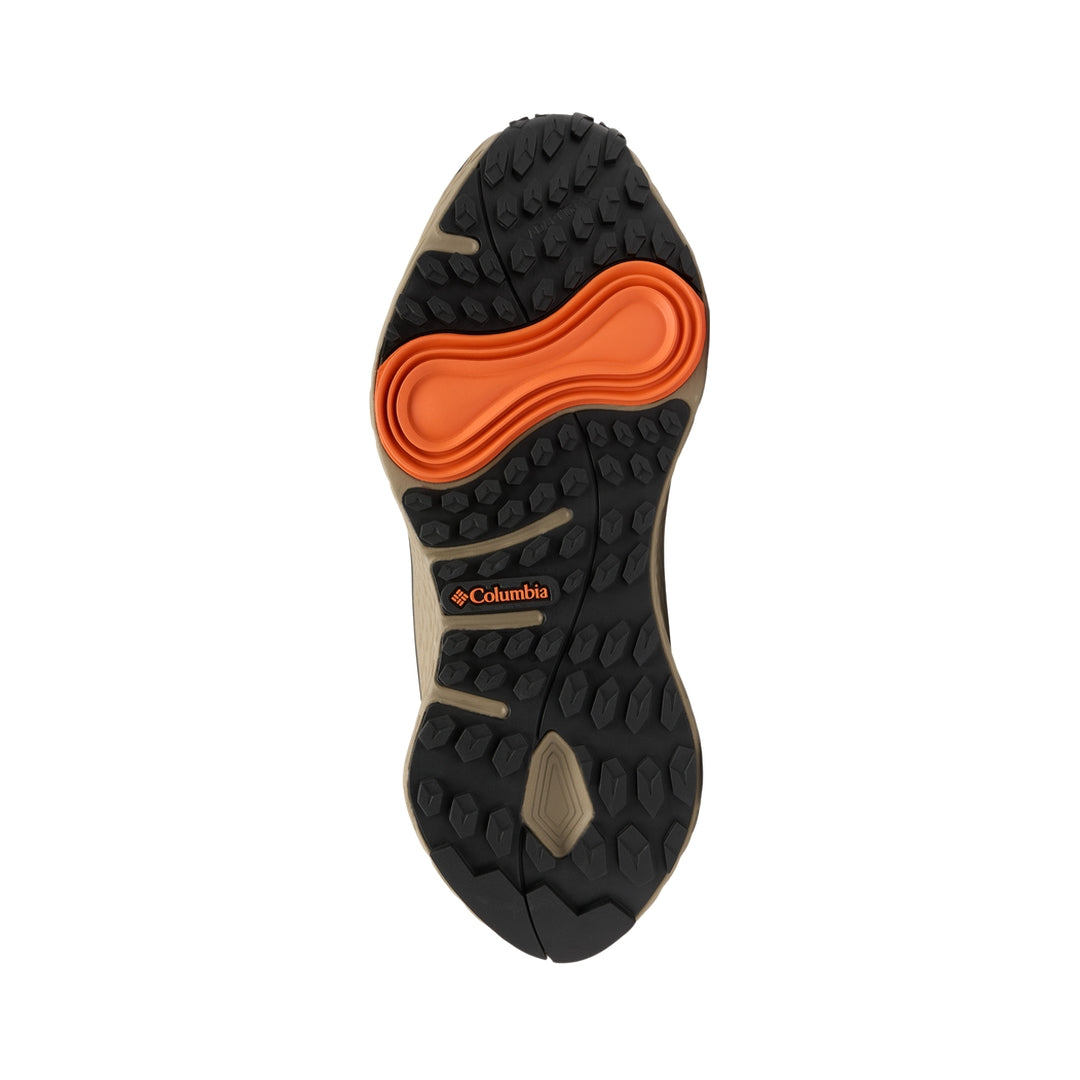
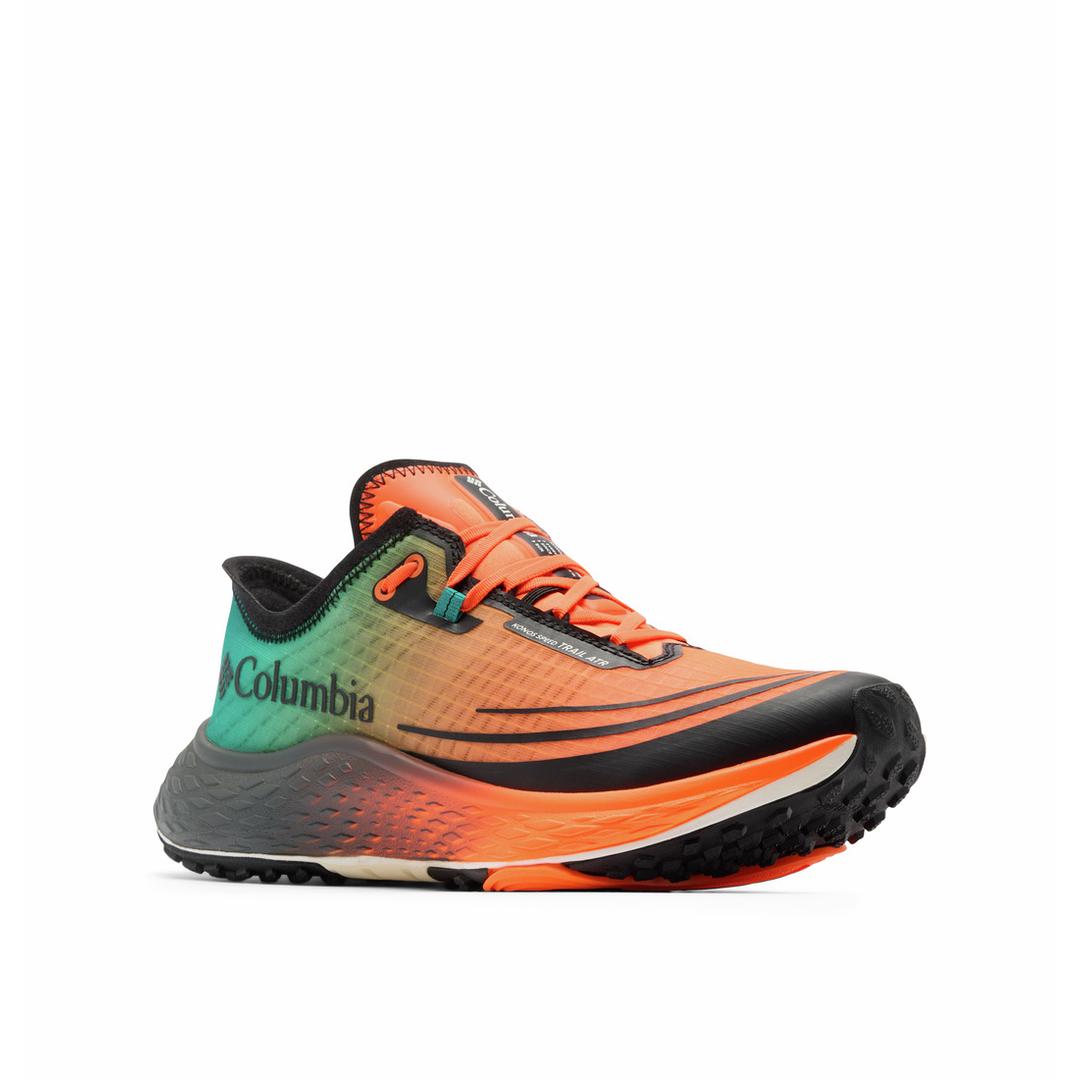
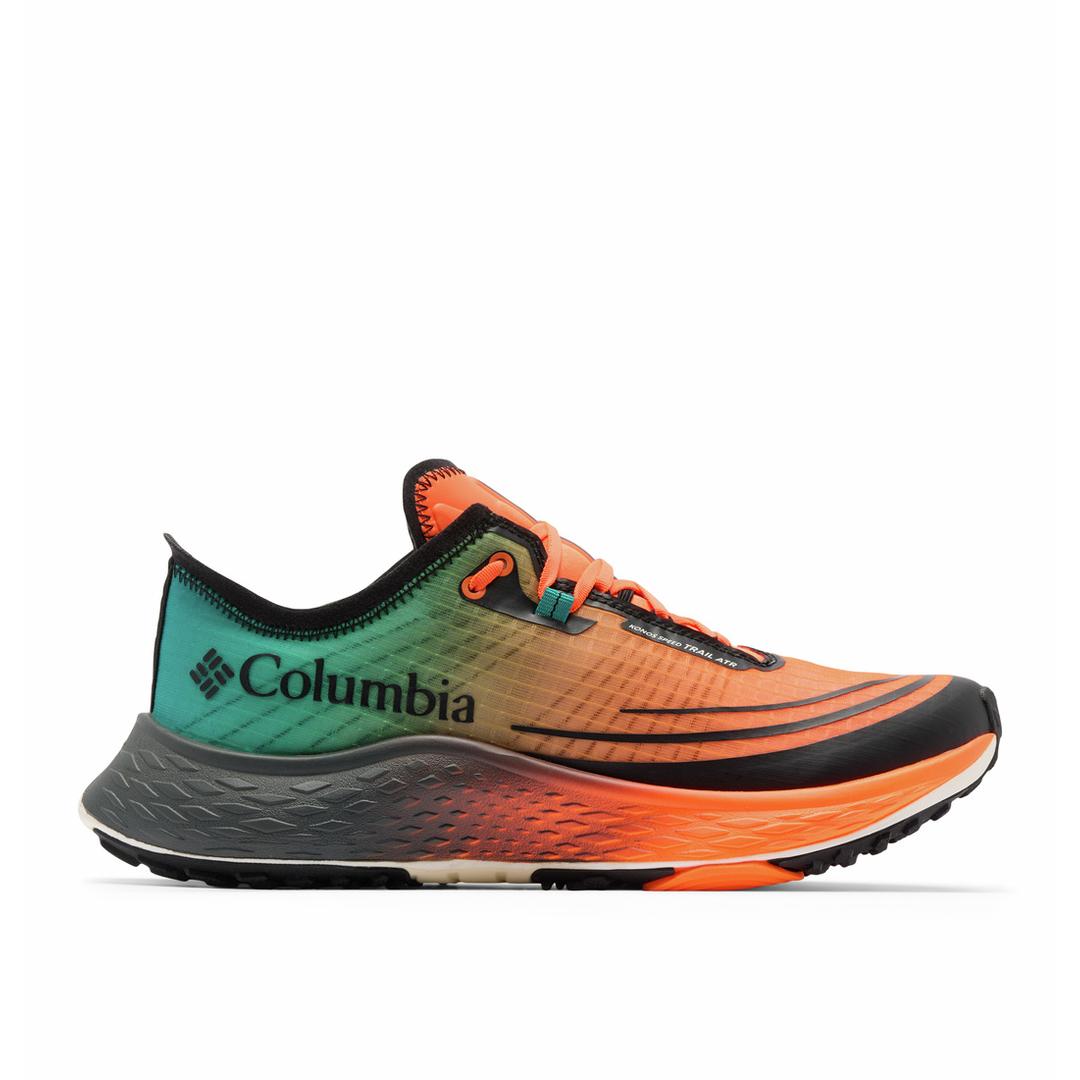
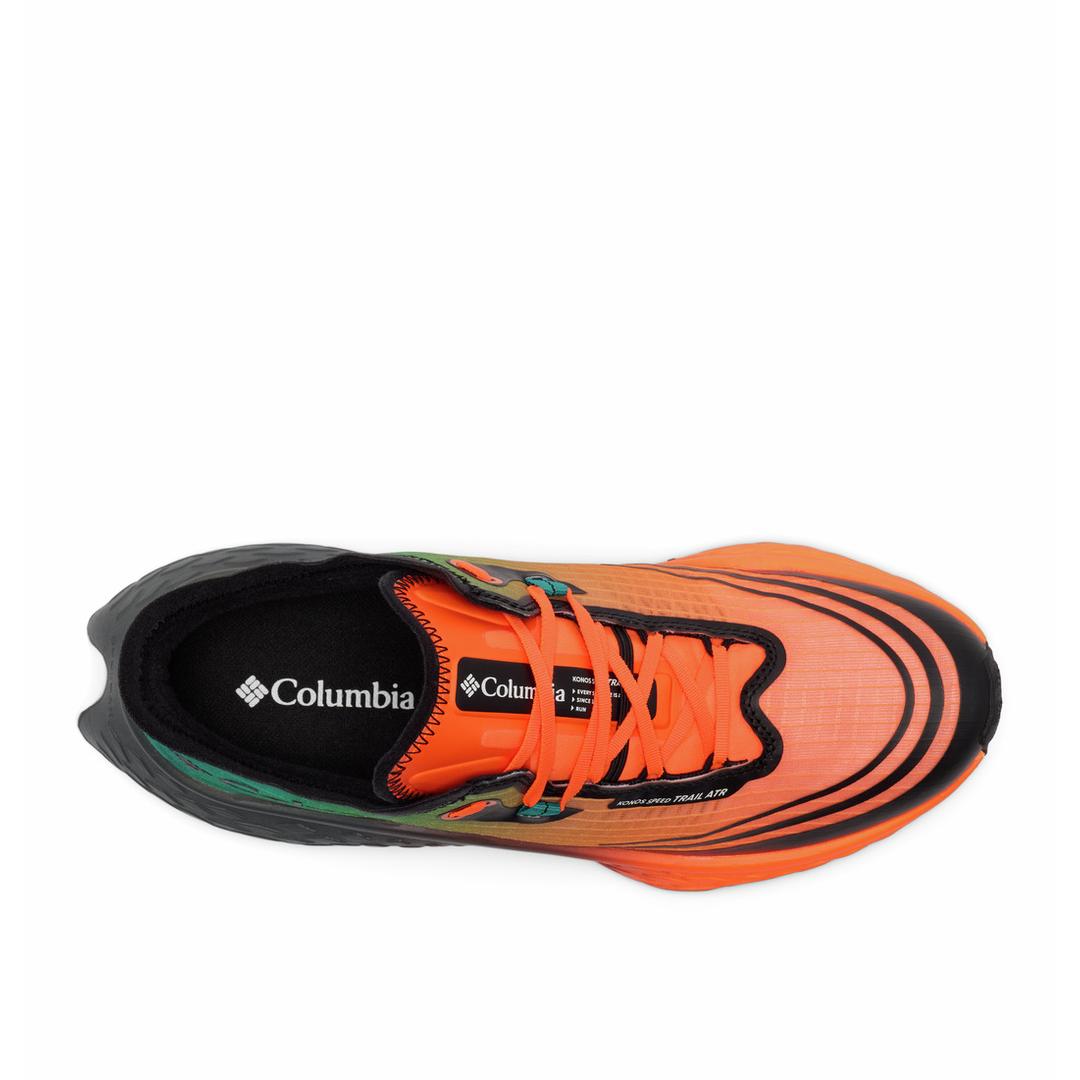
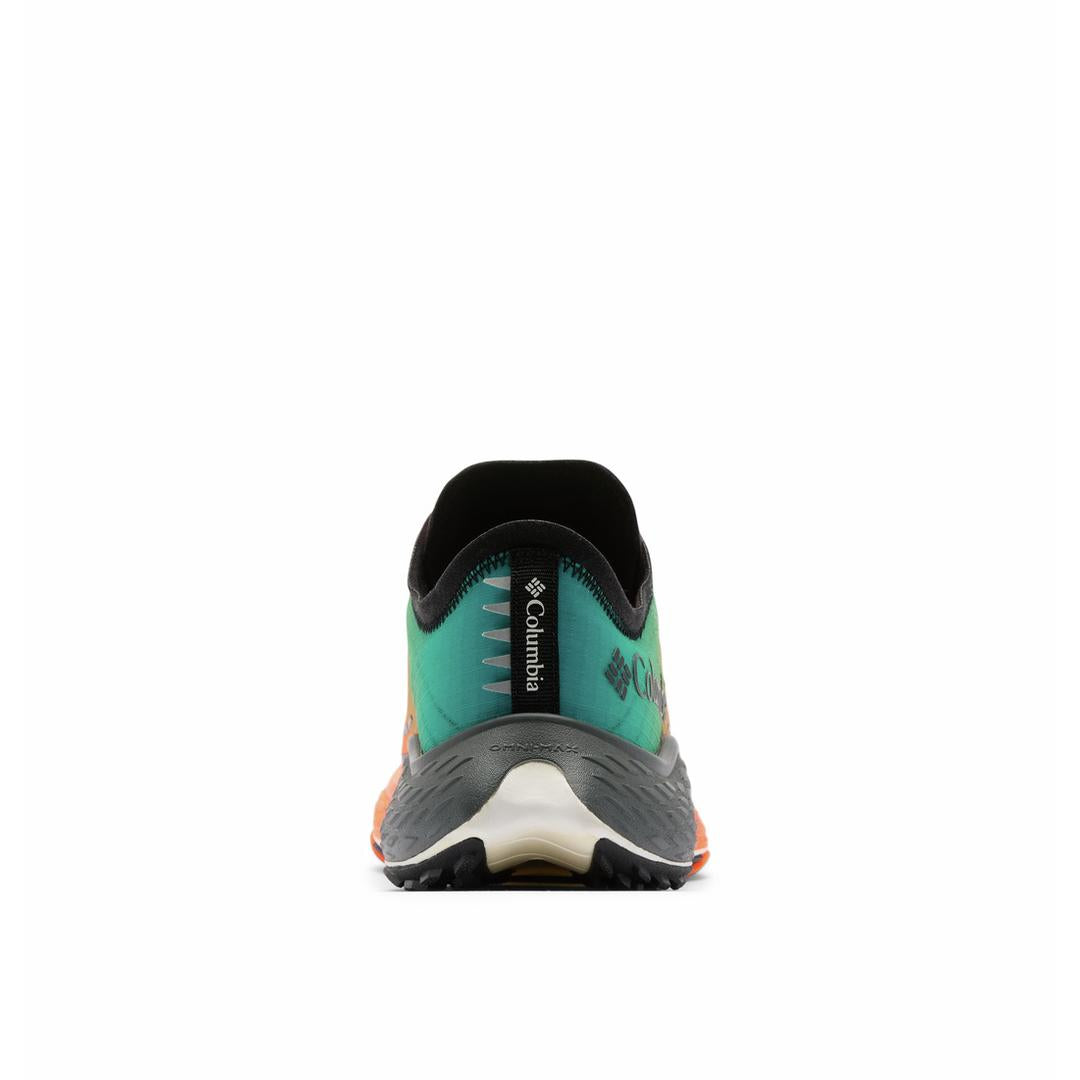
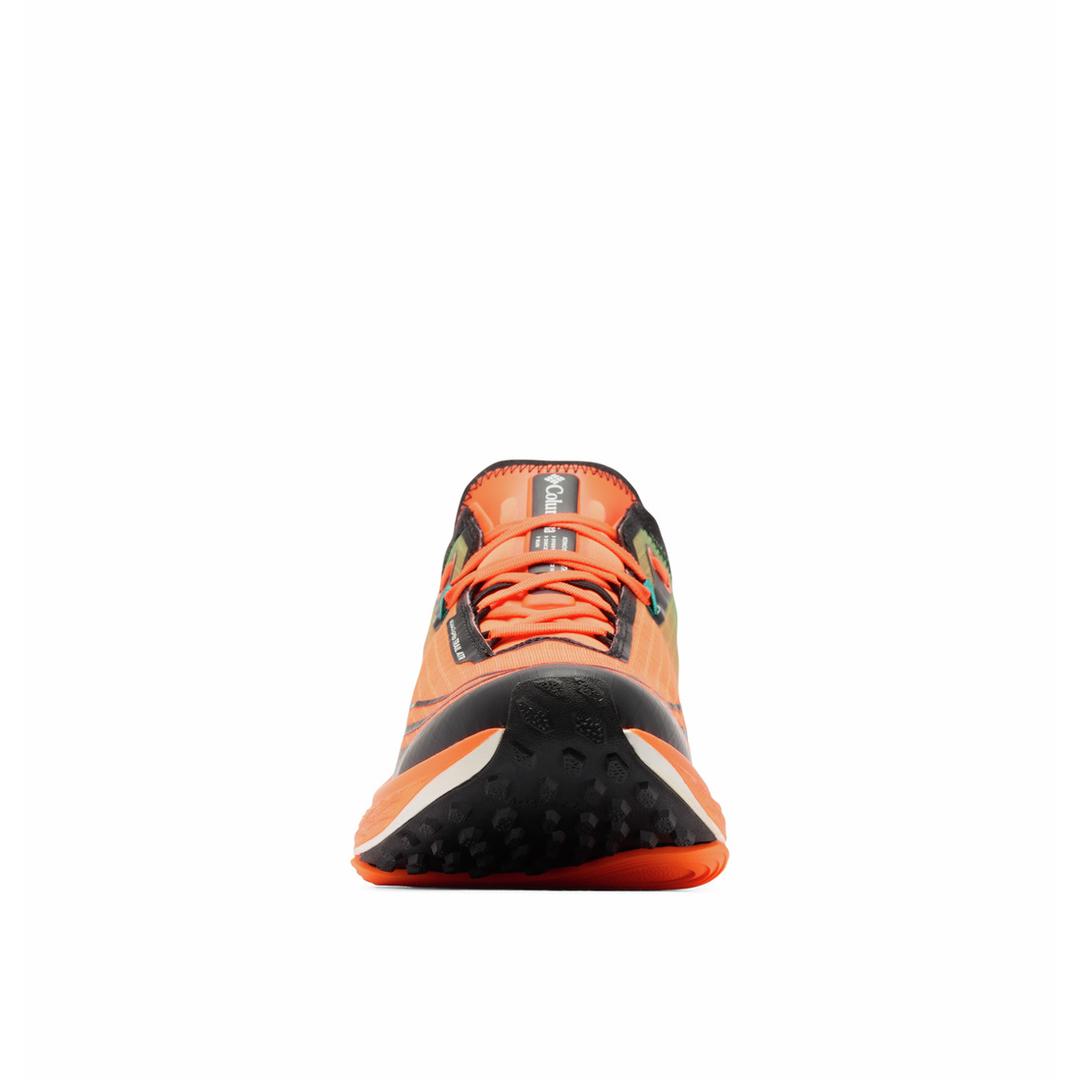
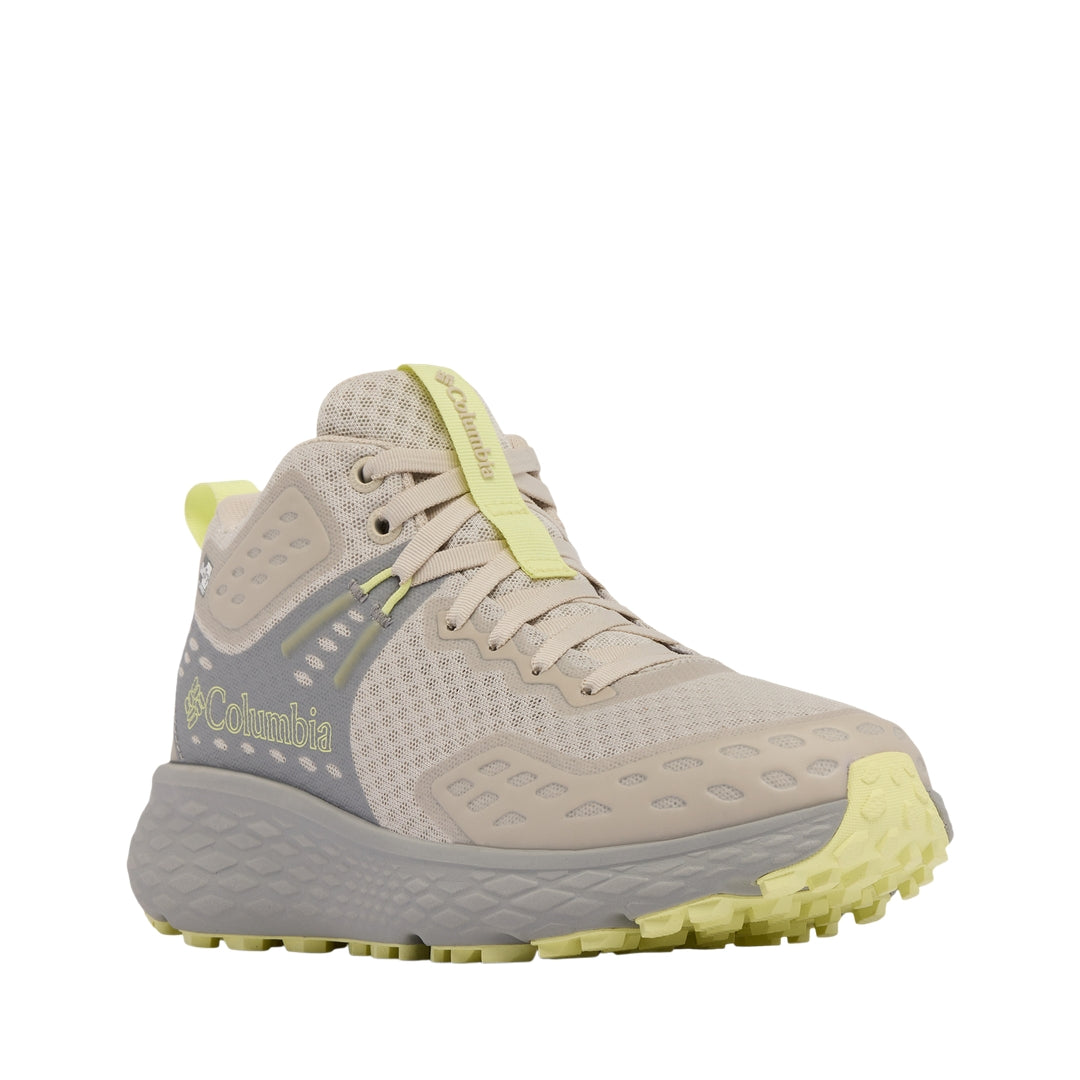
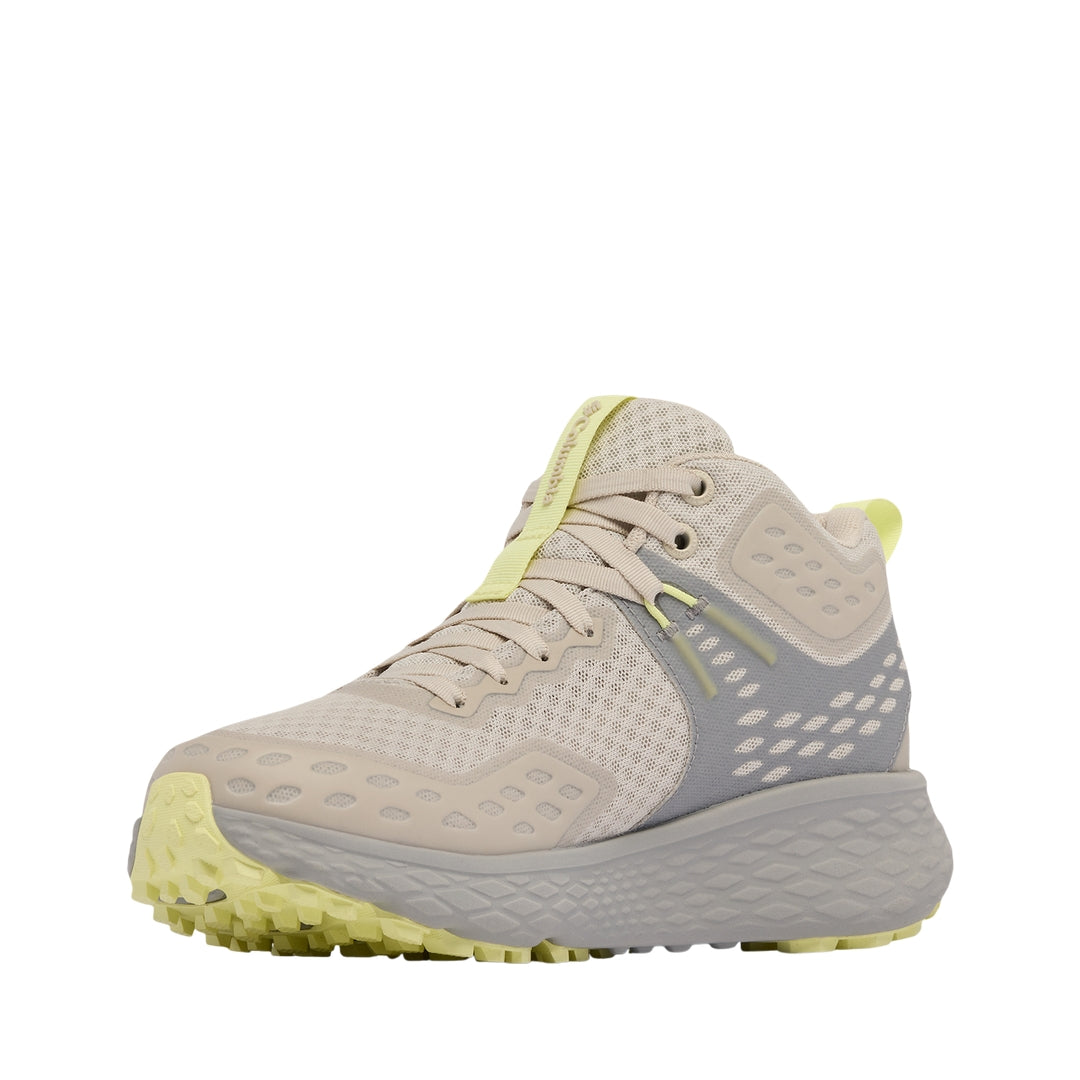
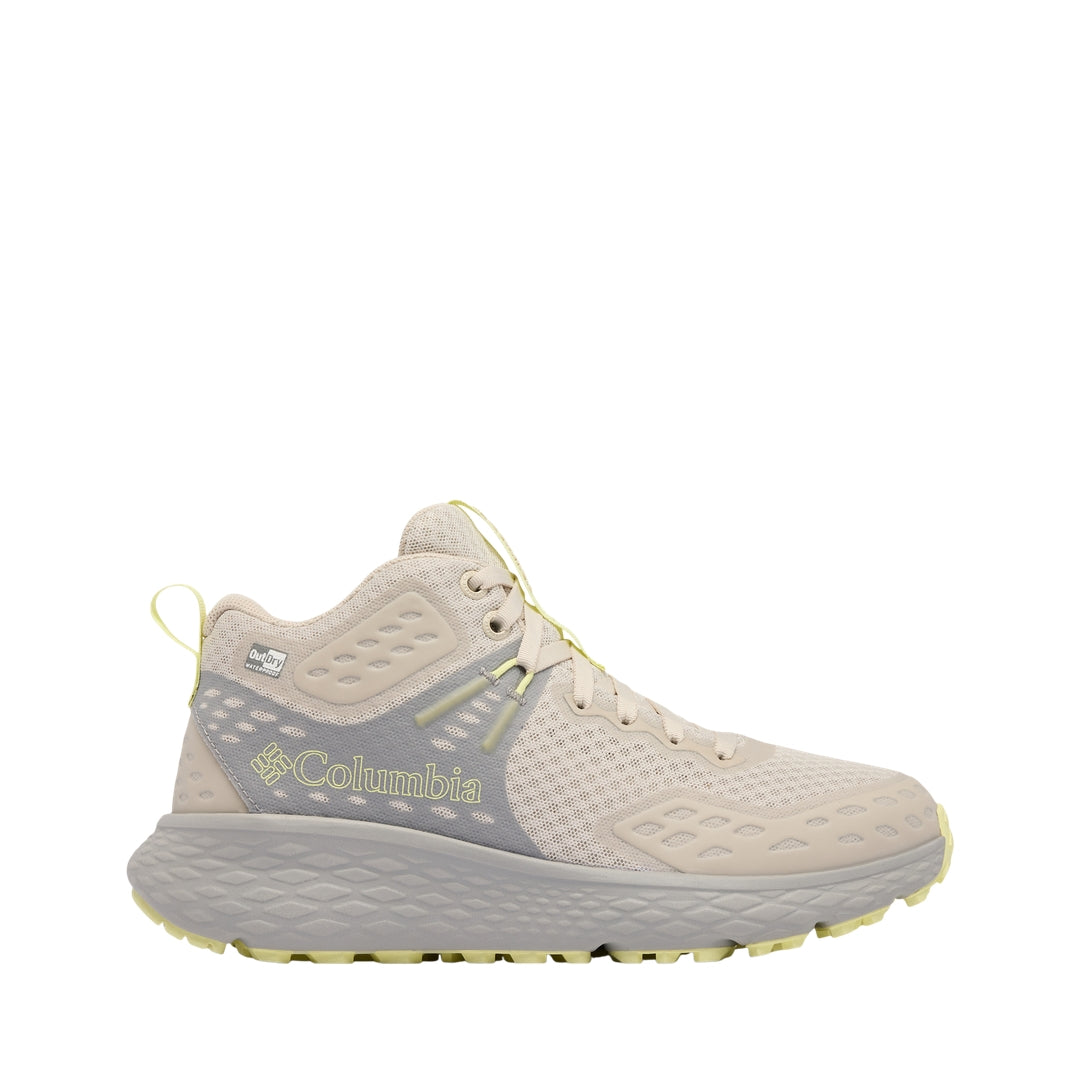
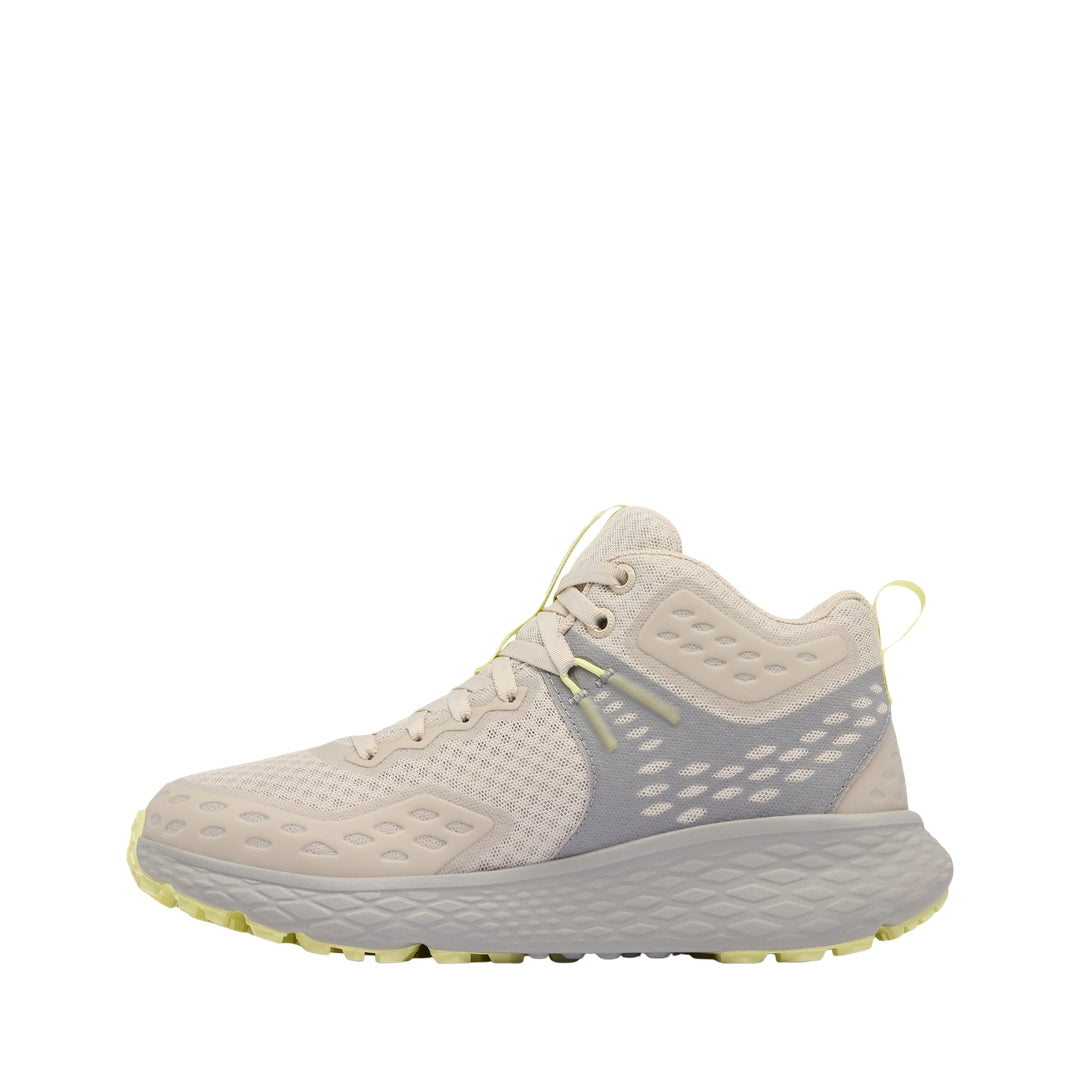
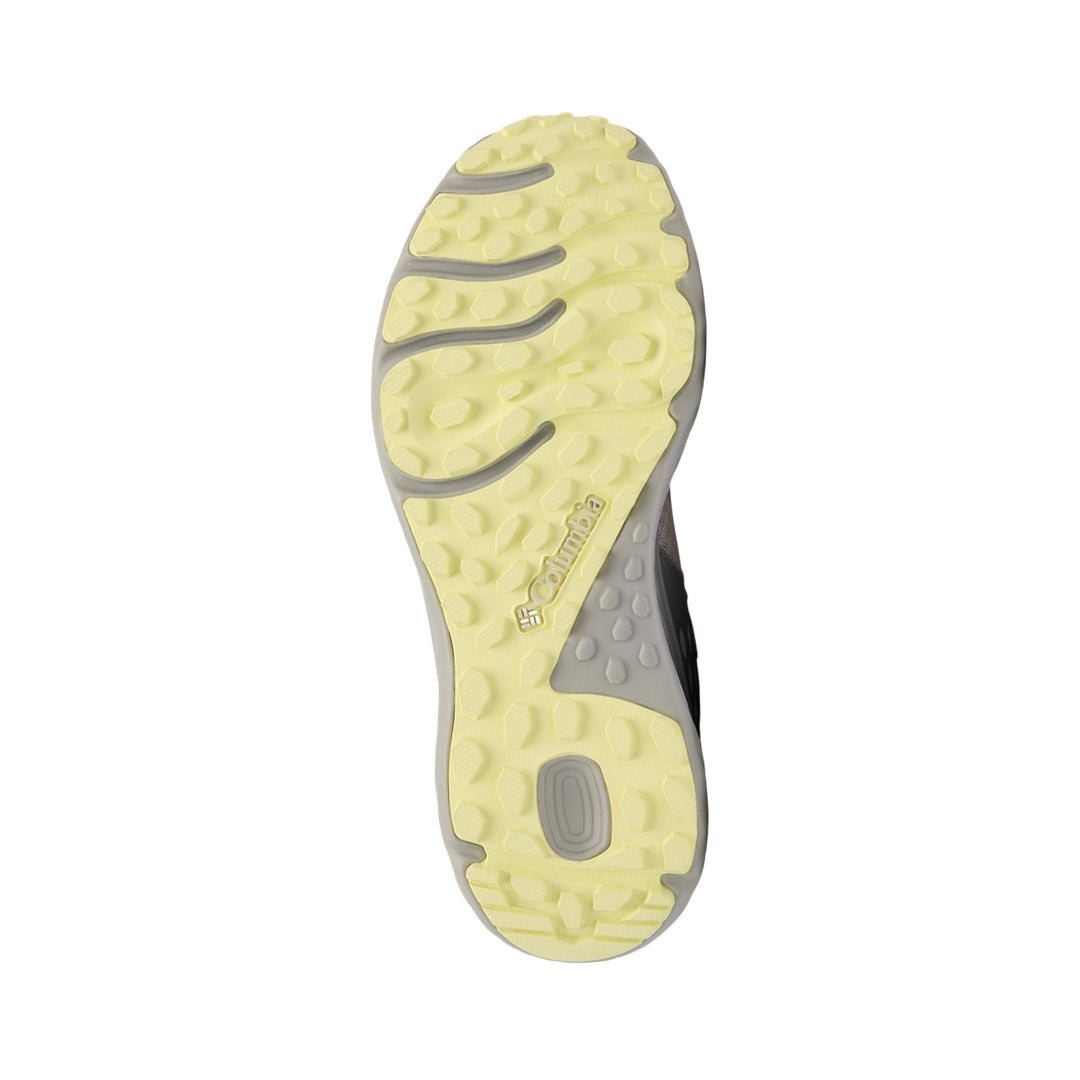
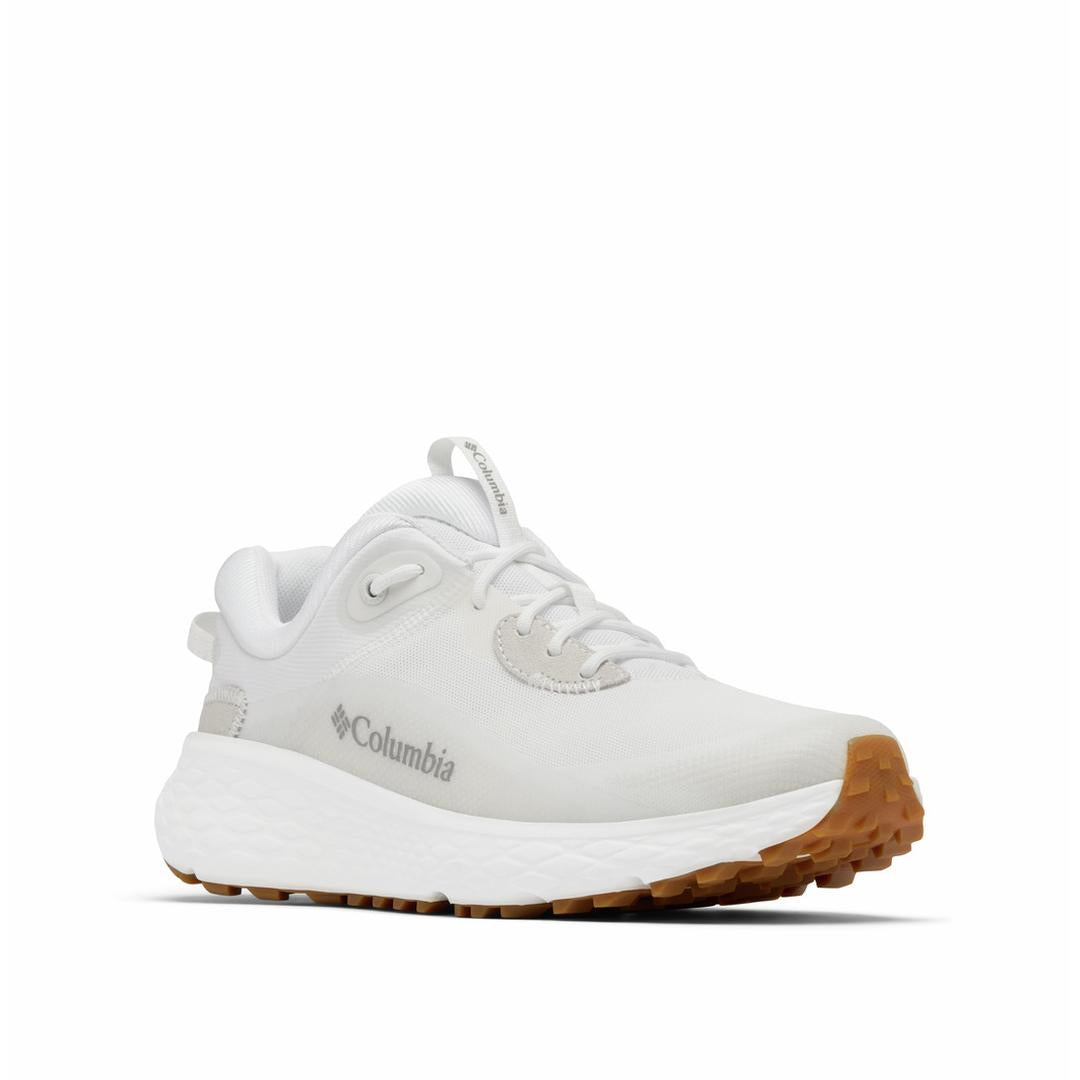
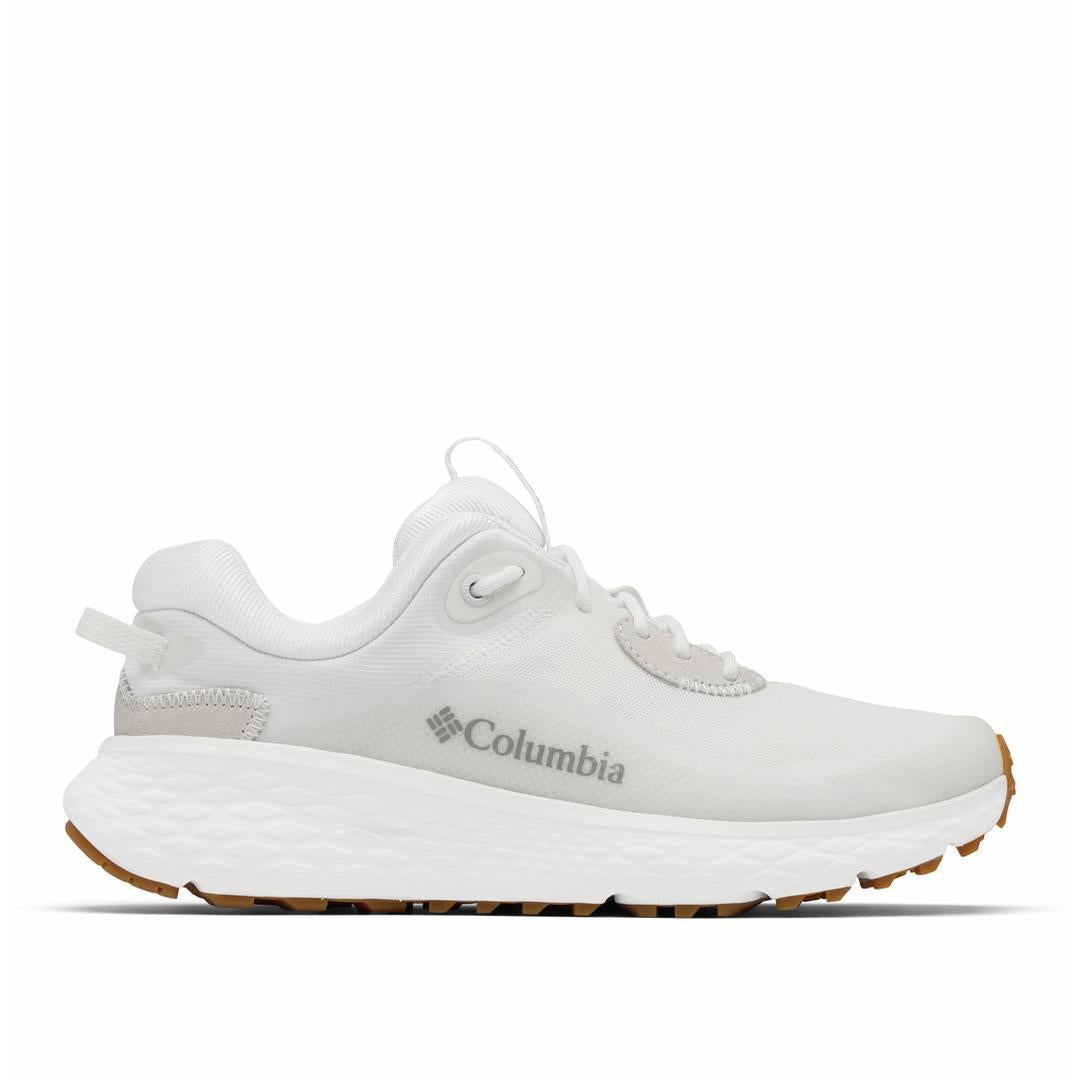
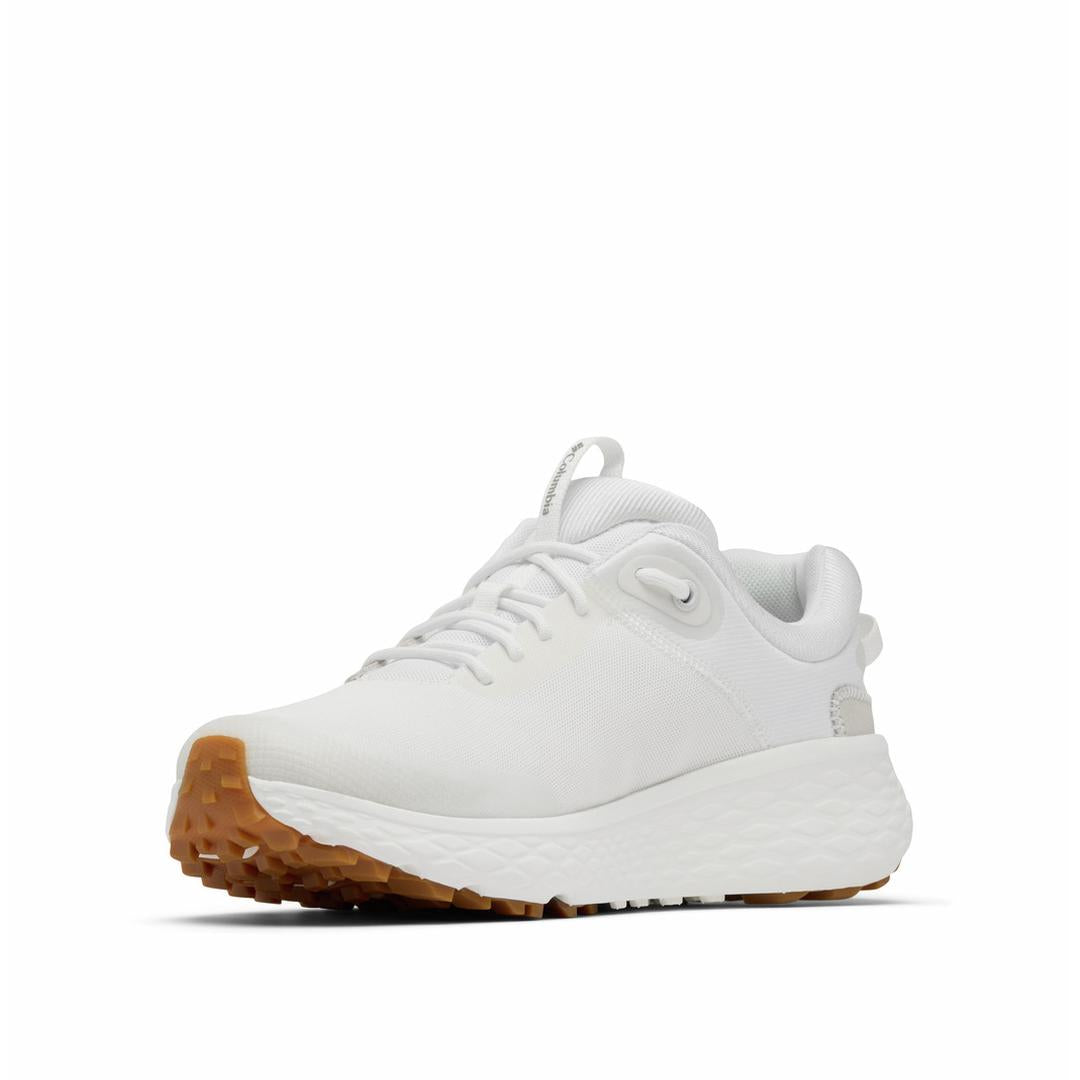
Choose Columbia footwear by terrain, not by looks. Trail and hiking shoes with grippy outsoles and Techlite cushioning handle most Philippine day hikes; OutDry waterproof shoes keep feet dry through mud and shallow crossings; drainage and aqua shoes are built for river crossings and the beach, where you want water to flow straight out; and sandals cover camp and casual wear.
One honest caveat: waterproof shoes keep water out, but they also hold water in if it pours over the collar, so for river-heavy routes a fast-draining shoe often beats a waterproof one. Fit varies between lasts and lines, so check the size options on each product page, and if you can, fit them in-store before a big trip.
What Columbia bags and packs suit Philippine trips?
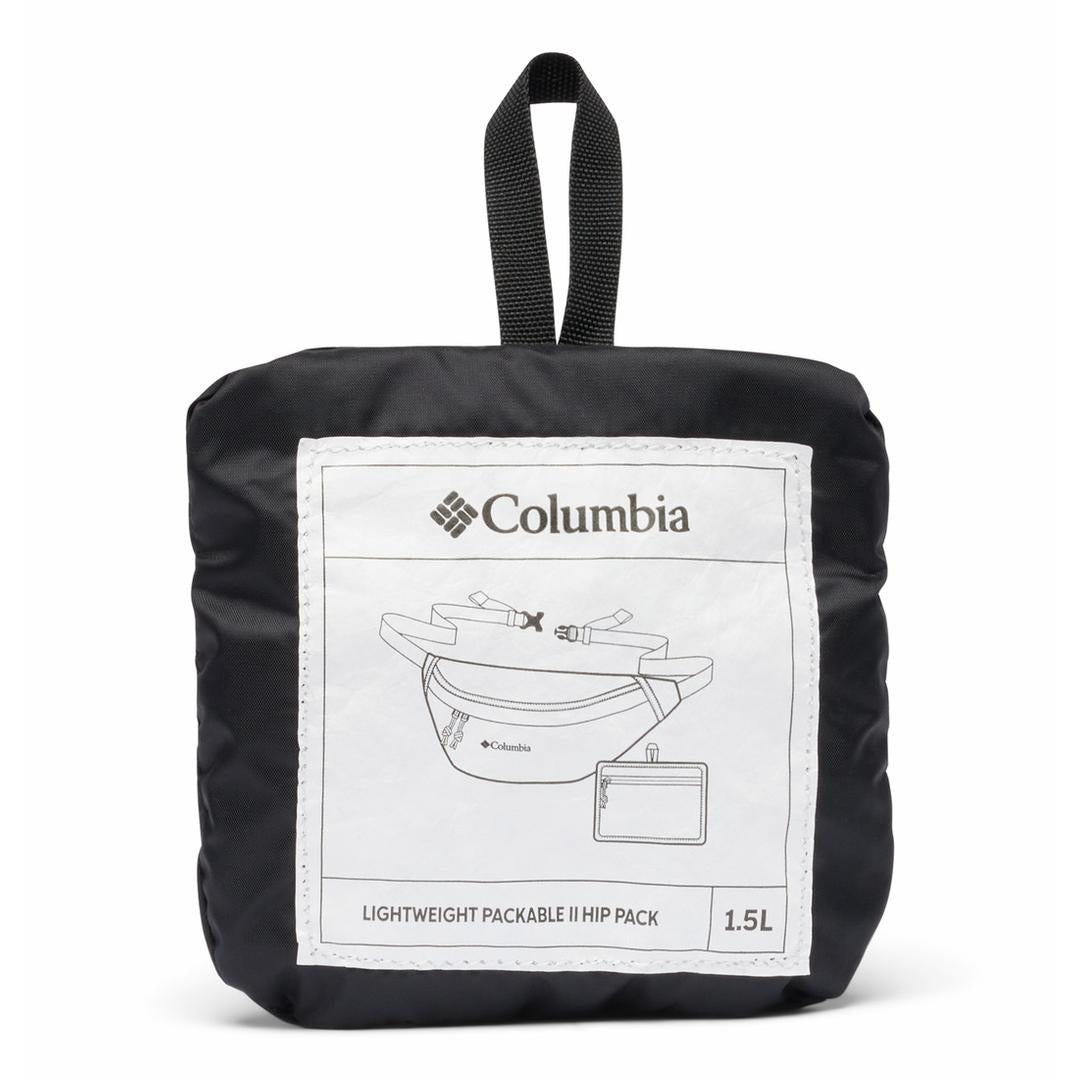
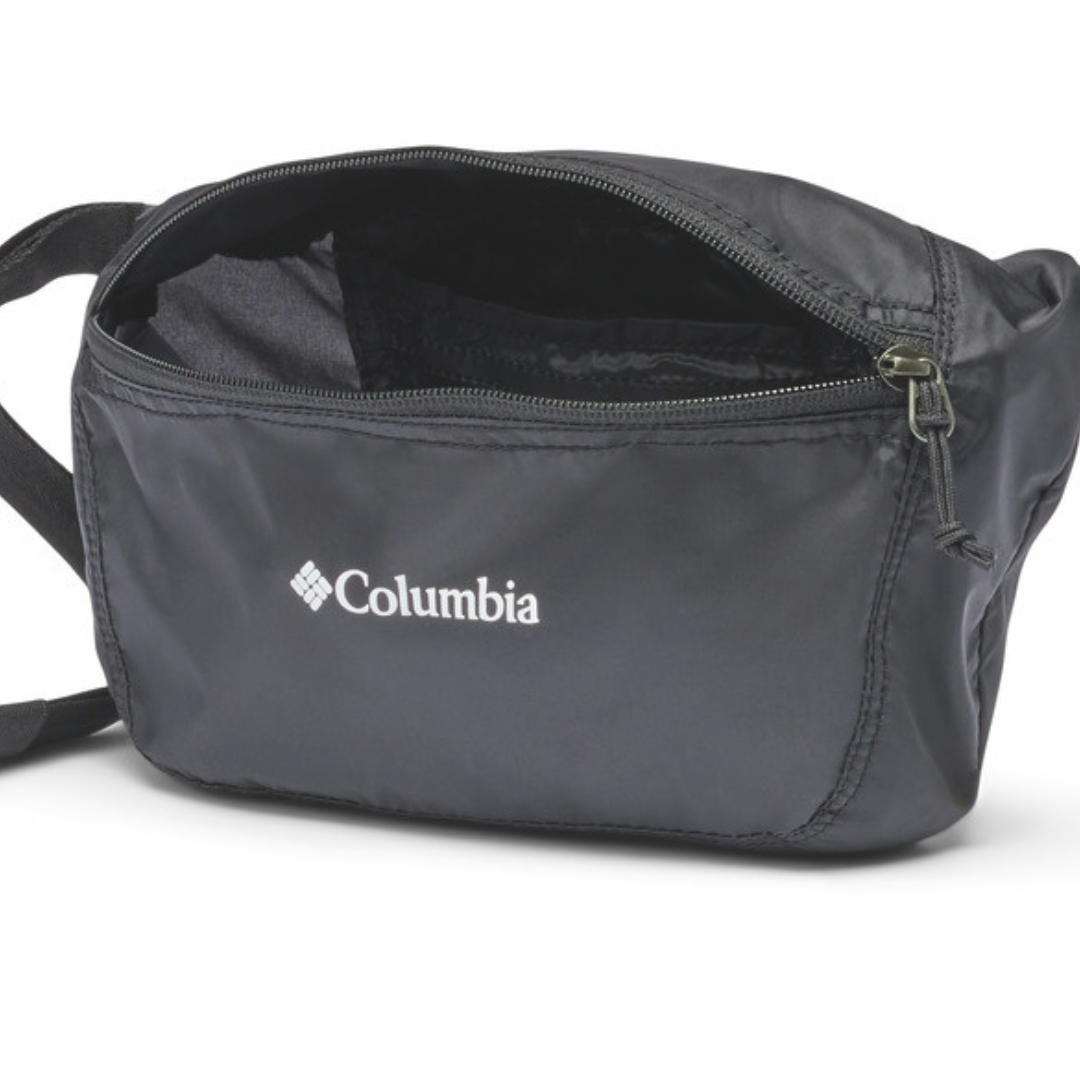
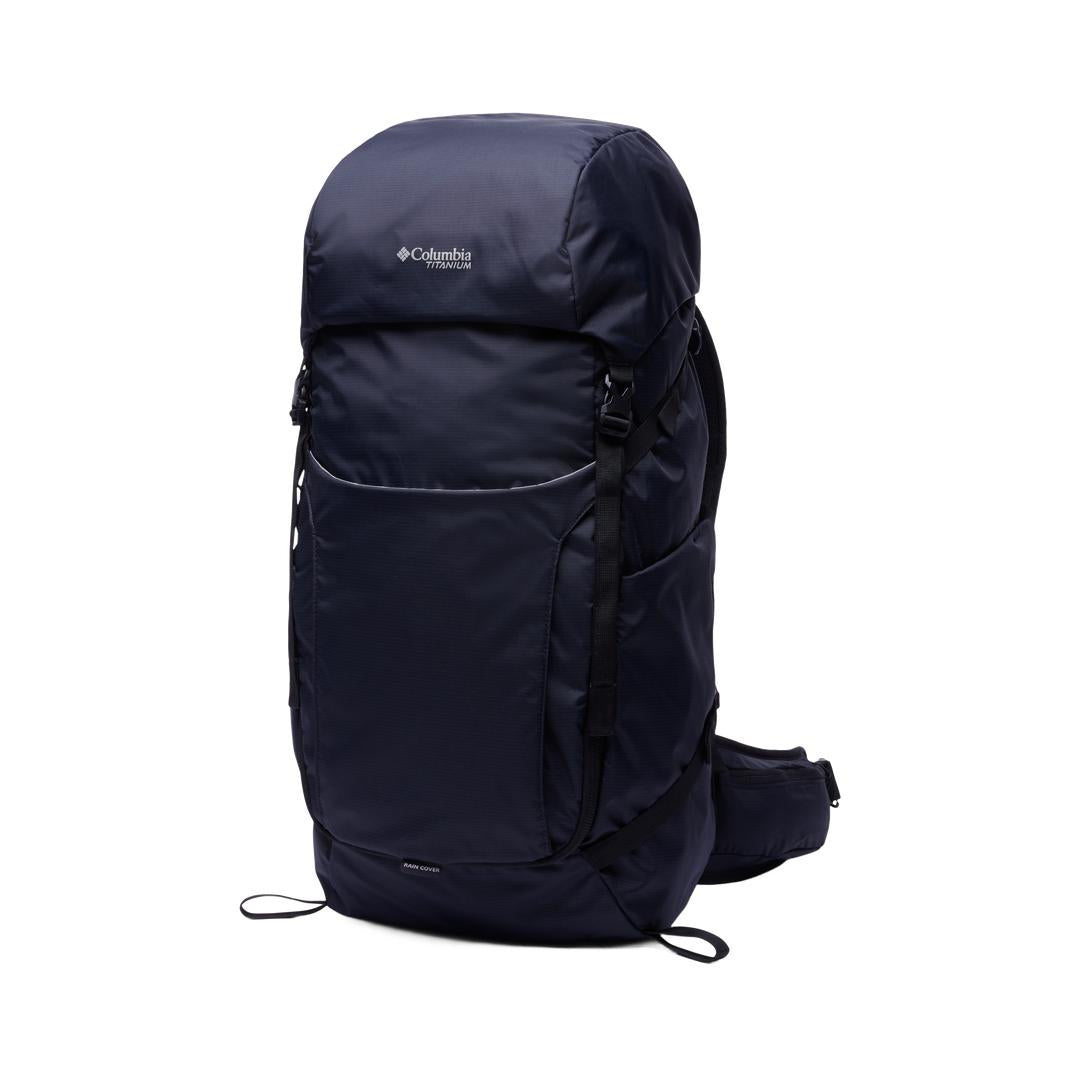
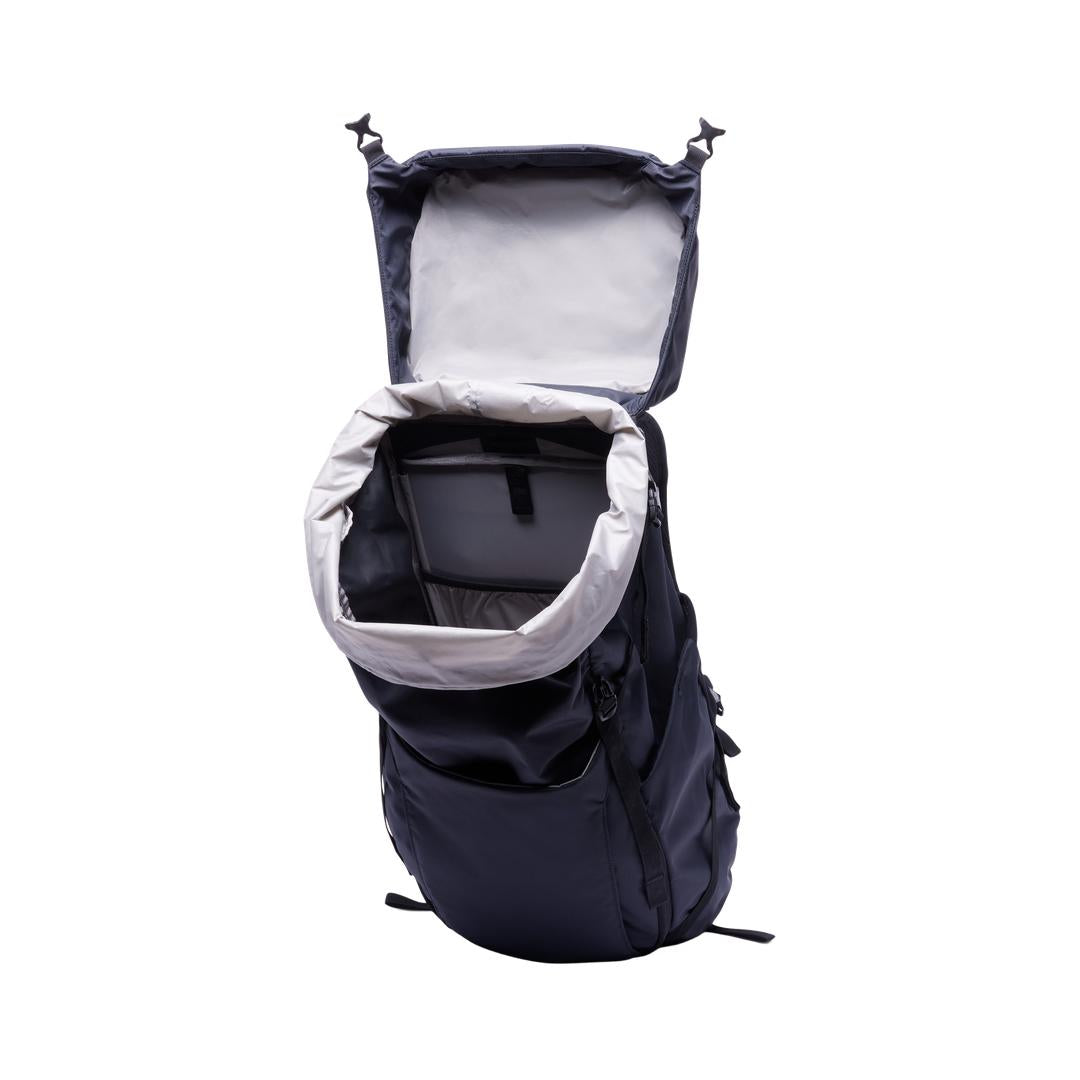
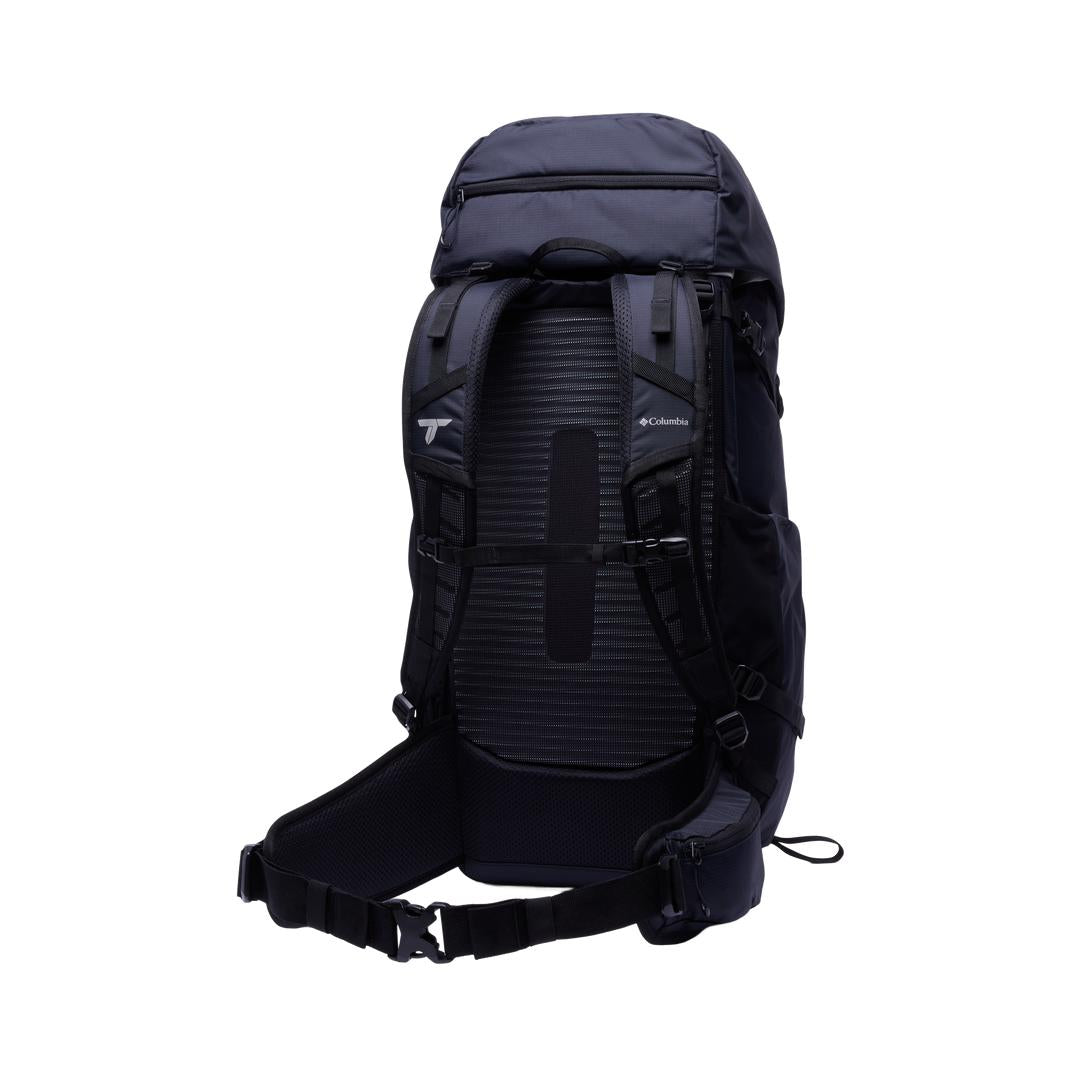
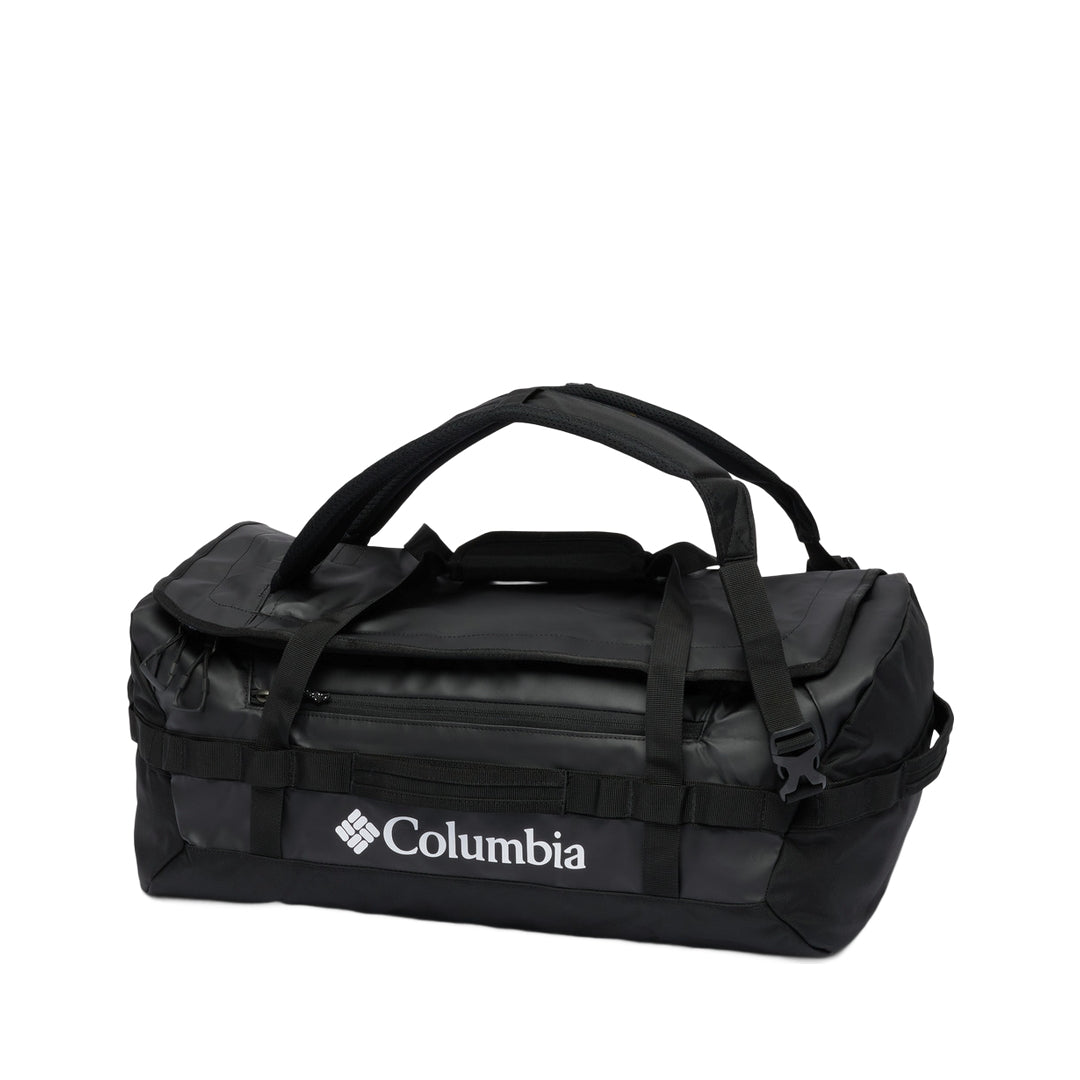
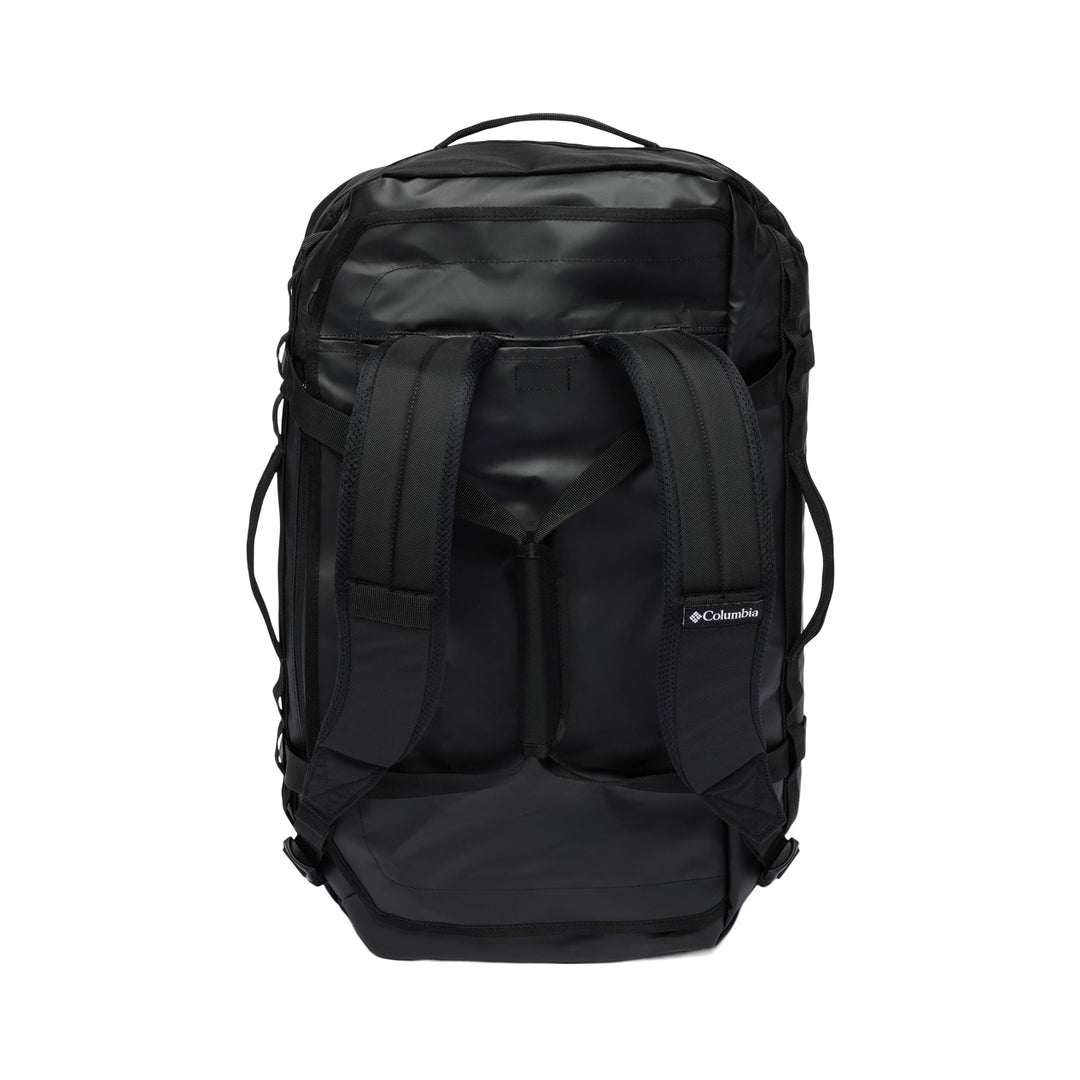
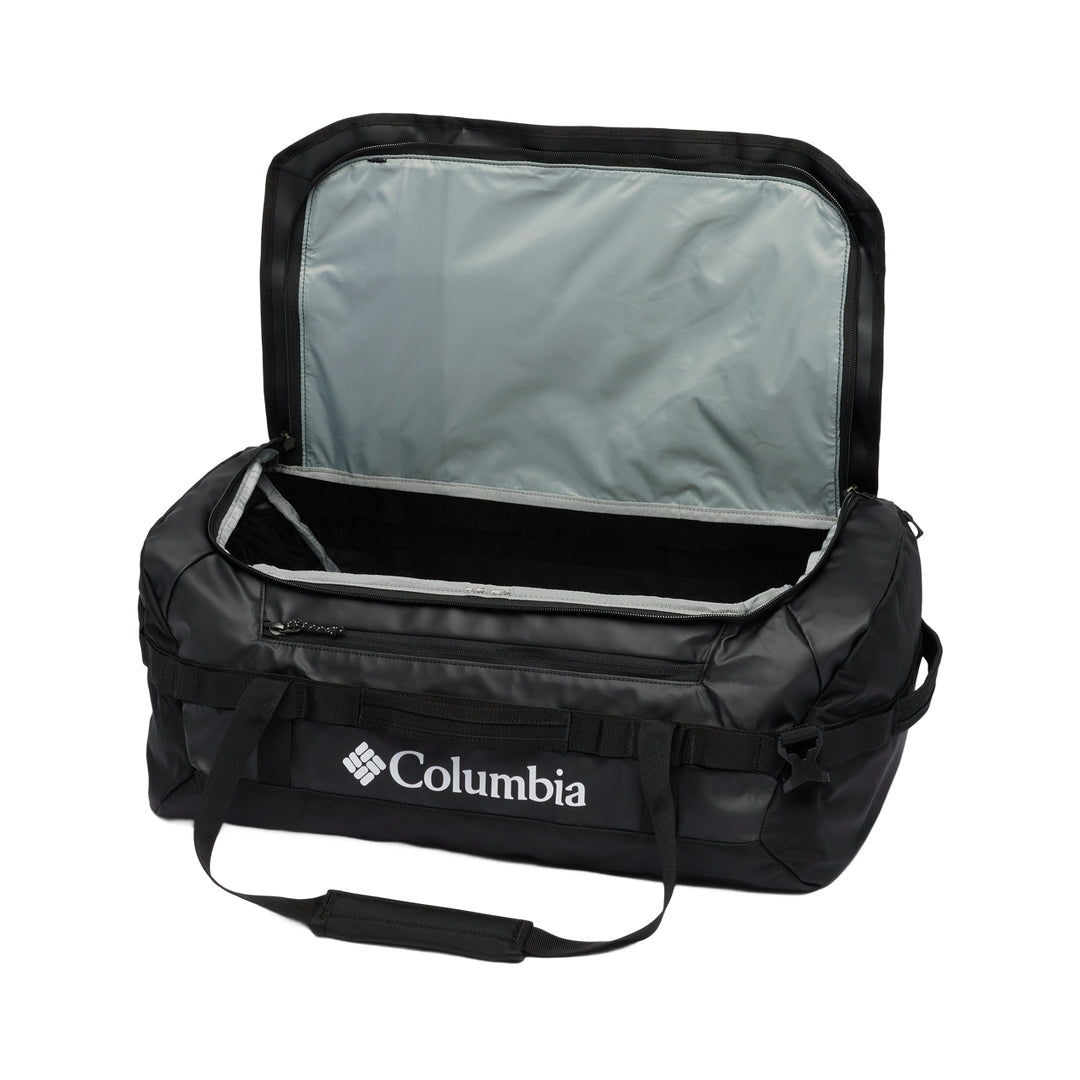
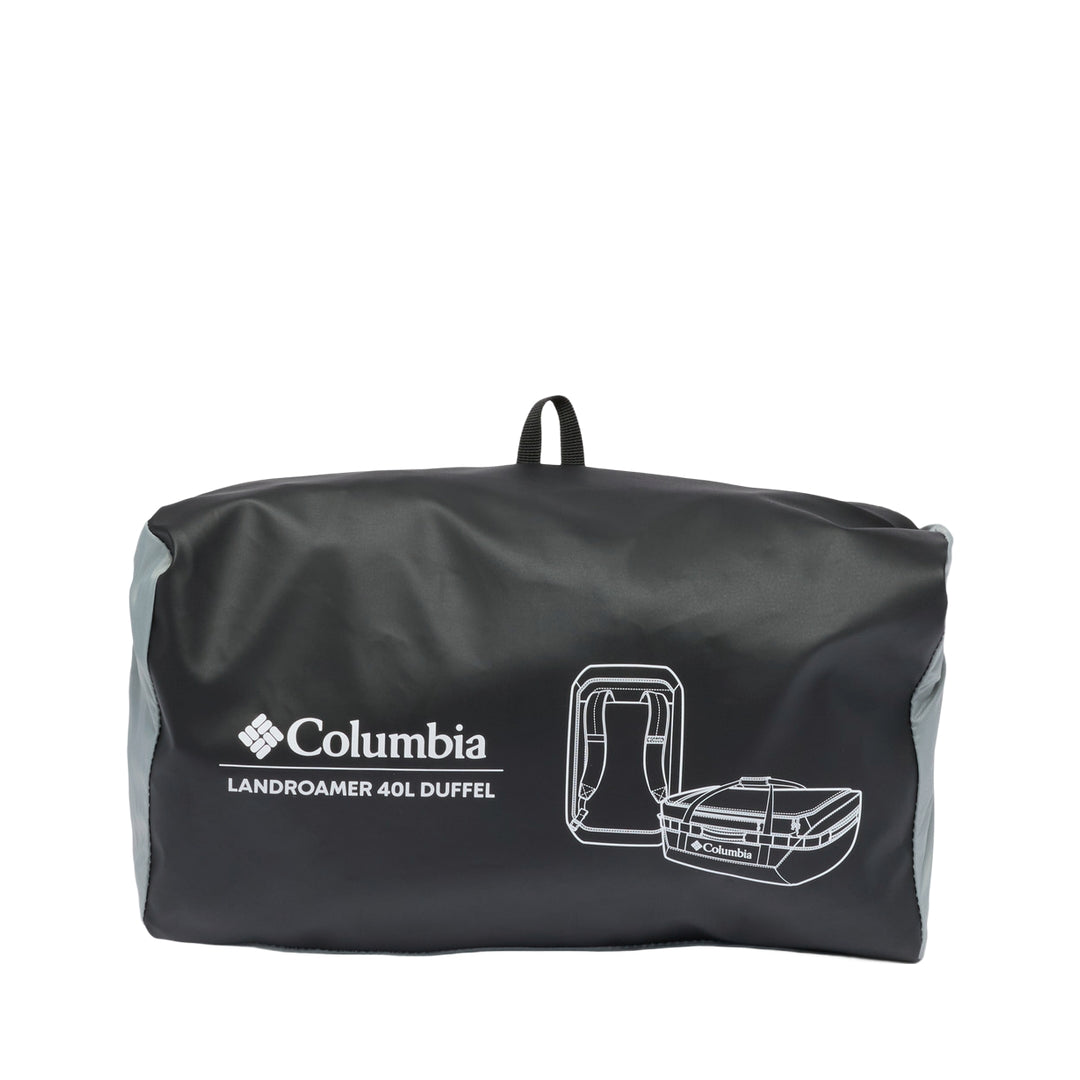
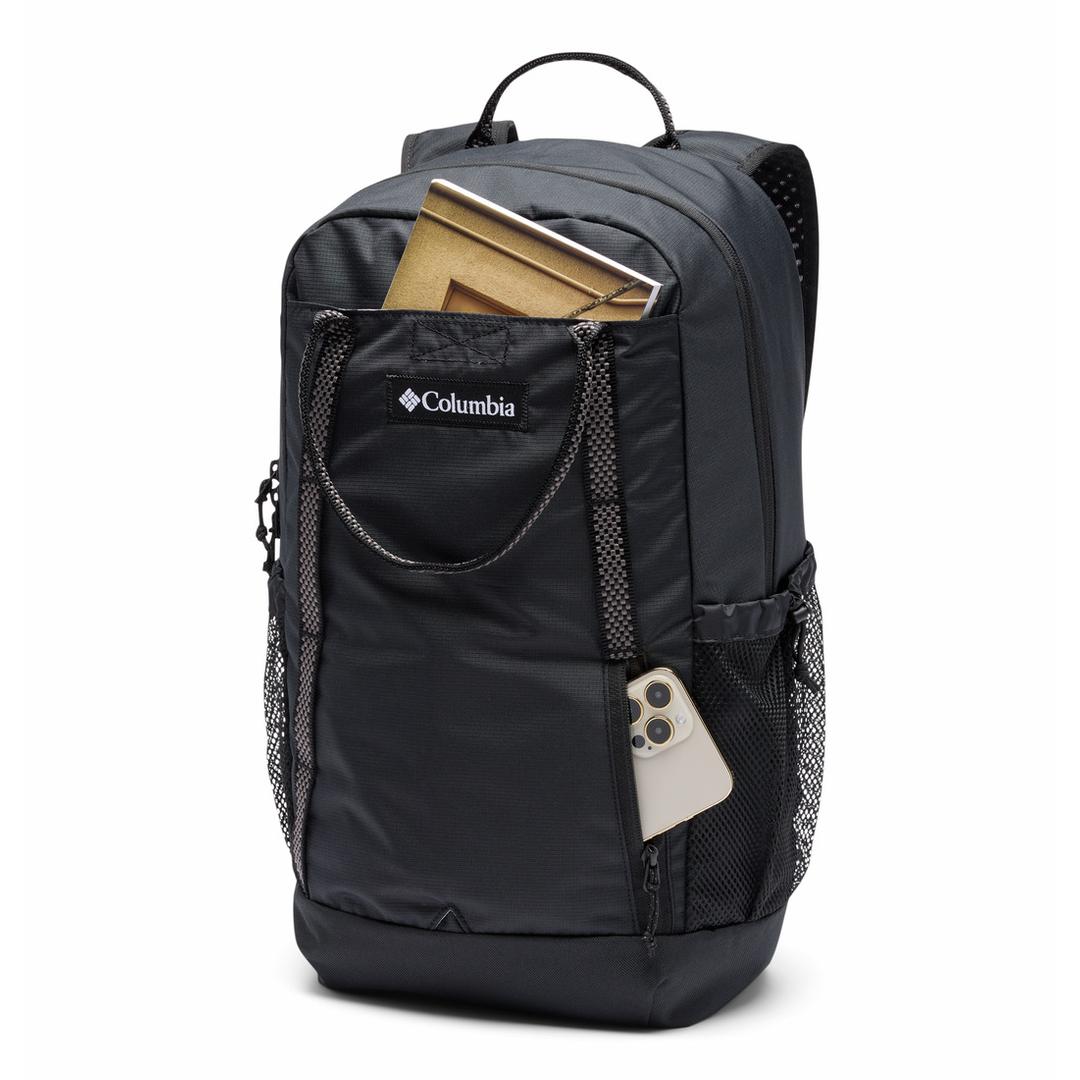
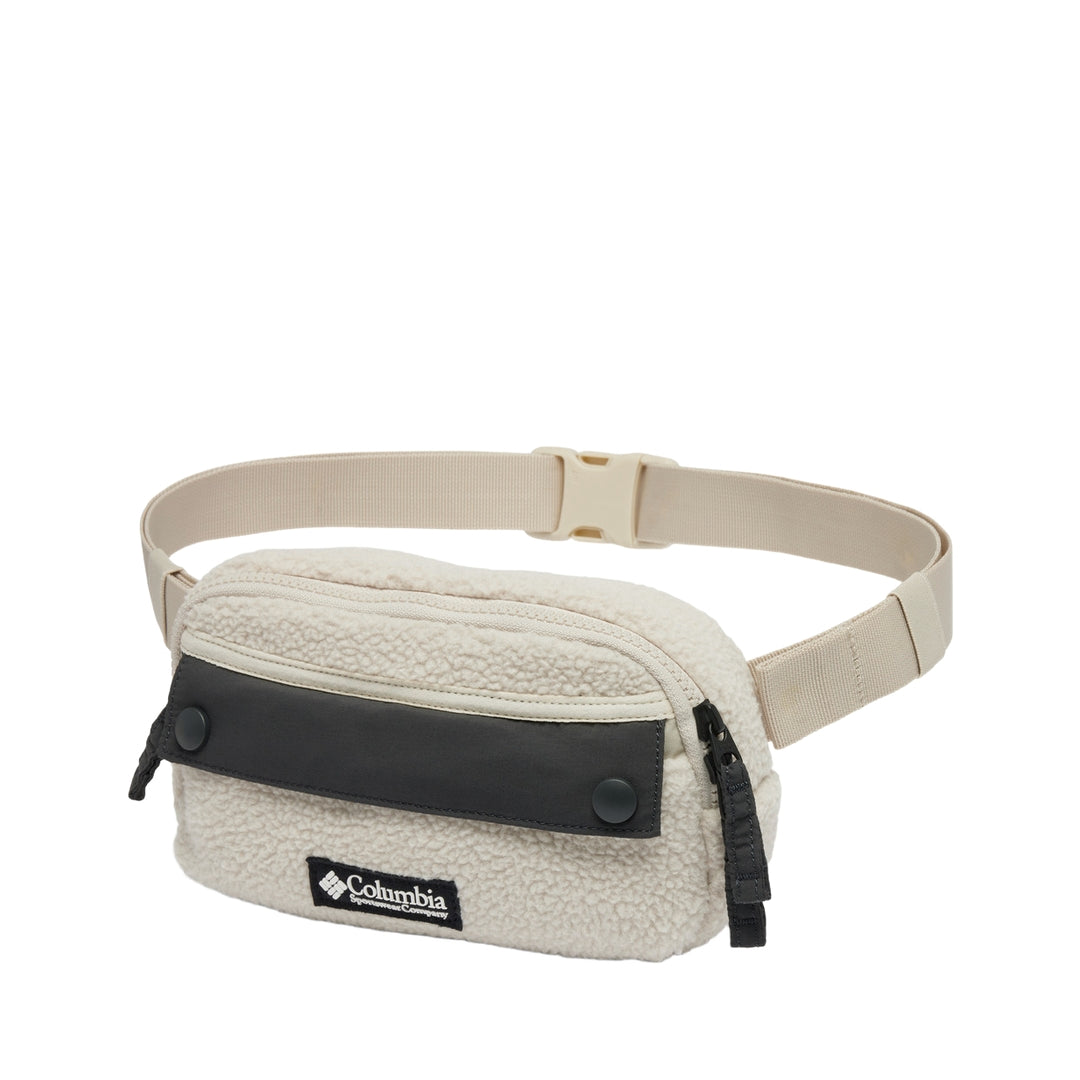
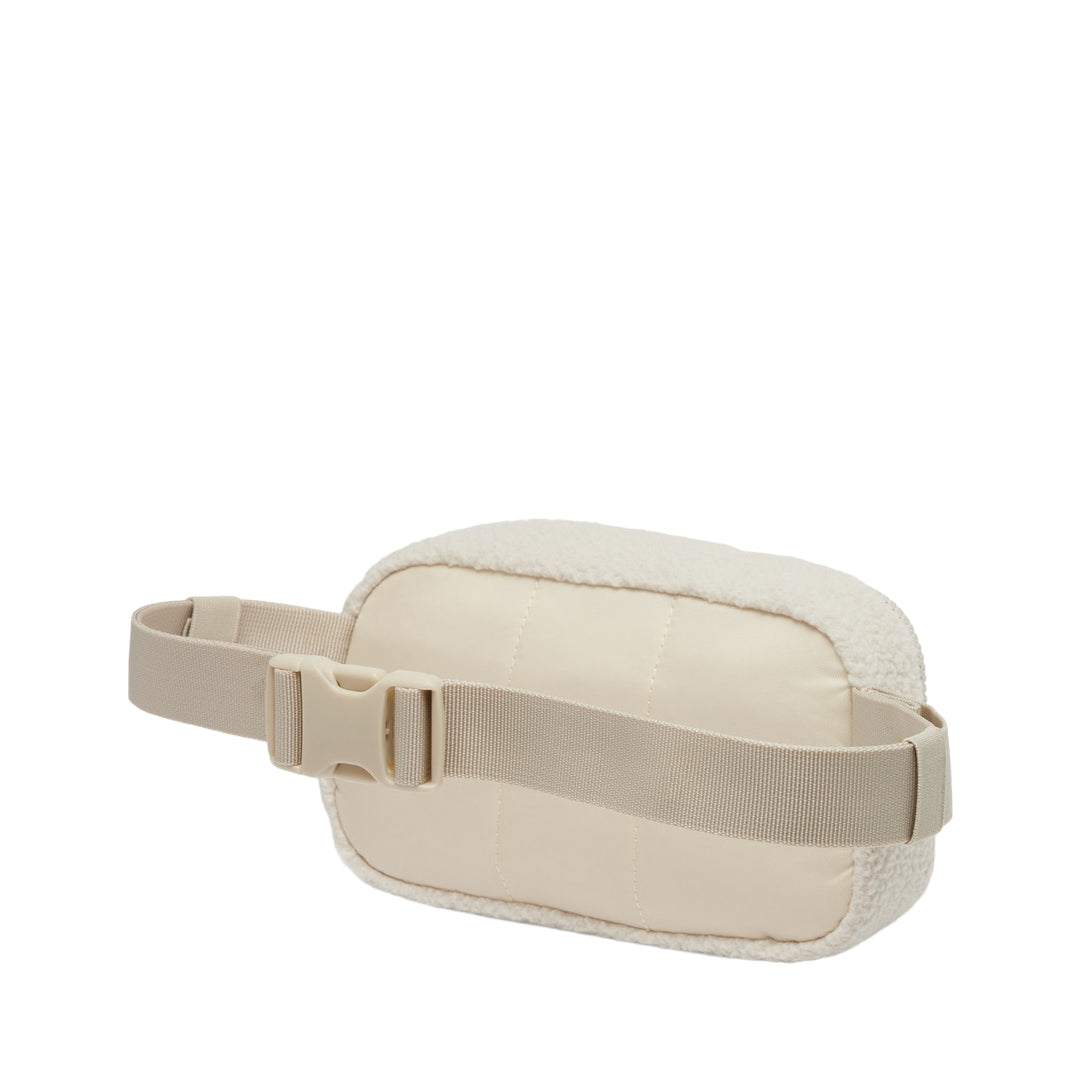
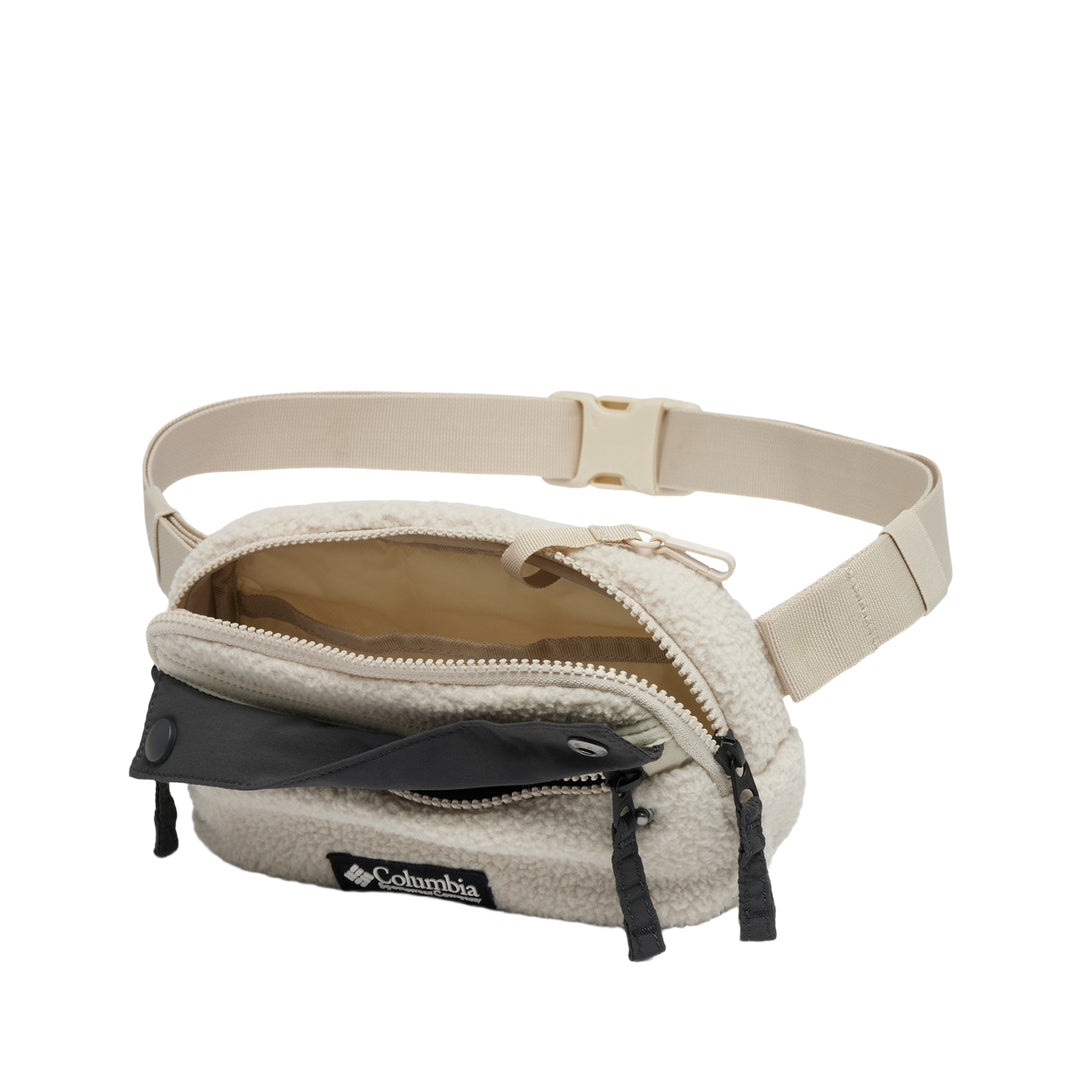
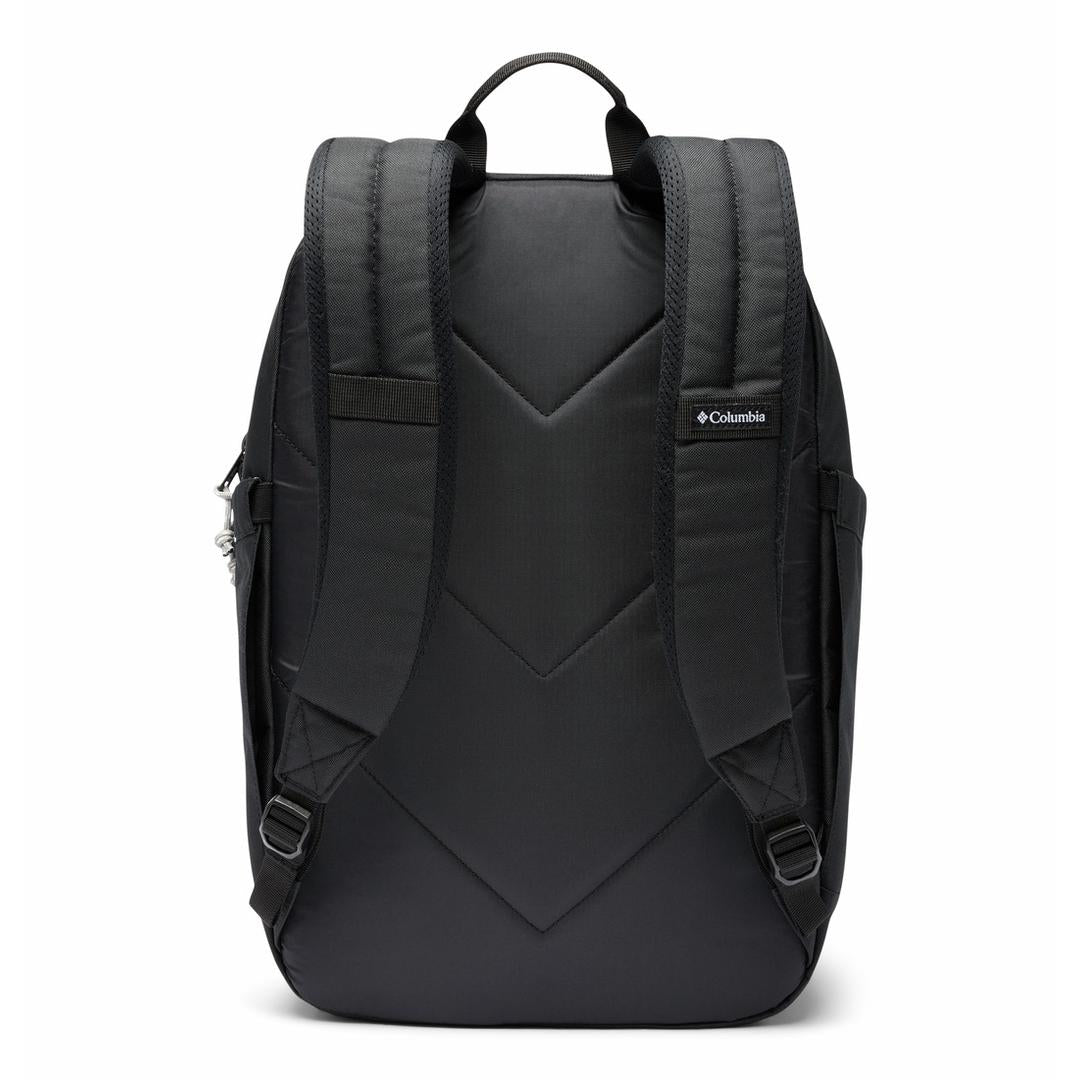
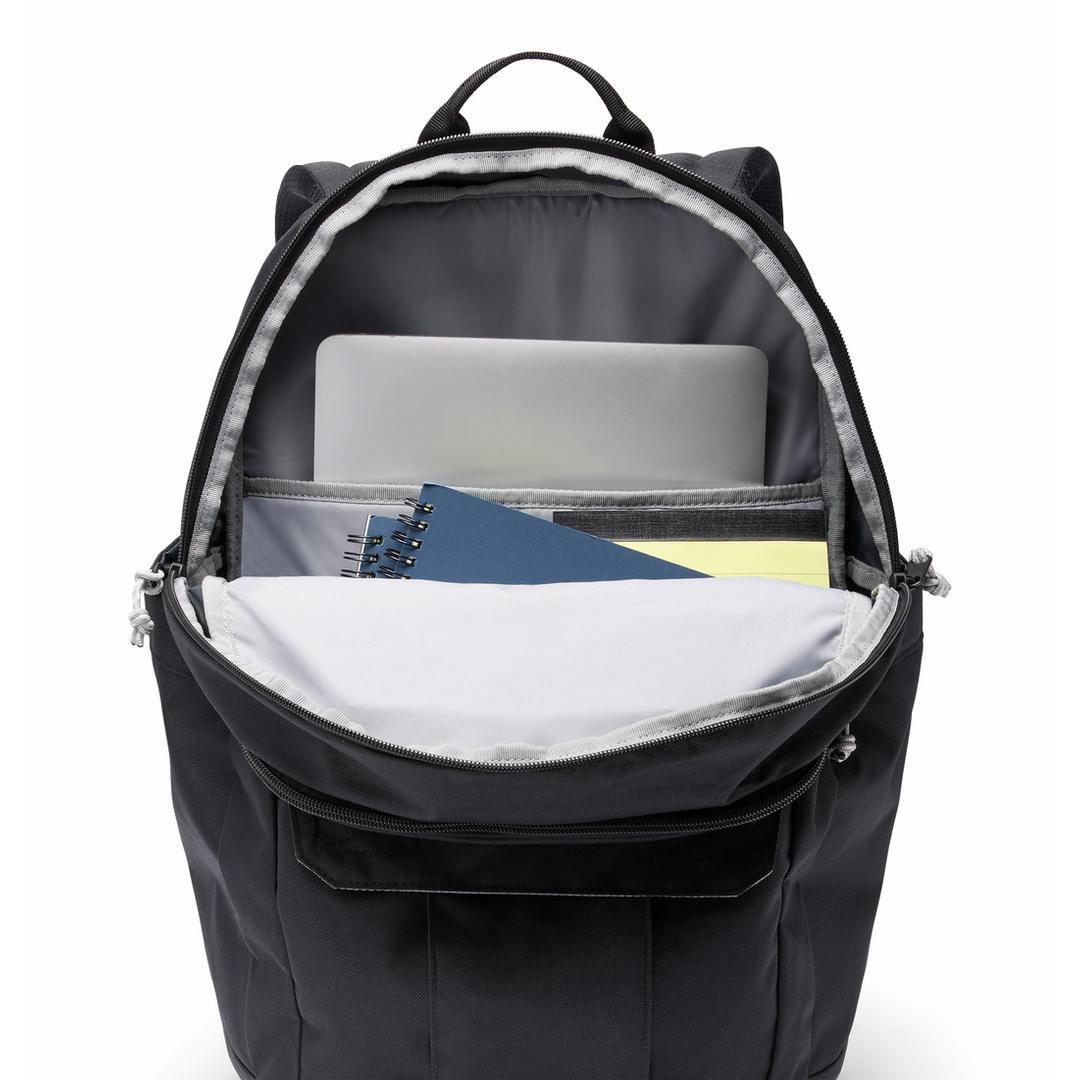
Match the bag to the length of the trip: a daypack for day hikes, a larger backpack or a 40 to 60-litre duffel for multi-day trips and travel, and a hip pack or crossbody for light, hands-free carry around town or camp. Columbia’s trail packs and duffels are built for rougher handling than an everyday bag, which is what you want on a jeepney roof or a boat transfer.
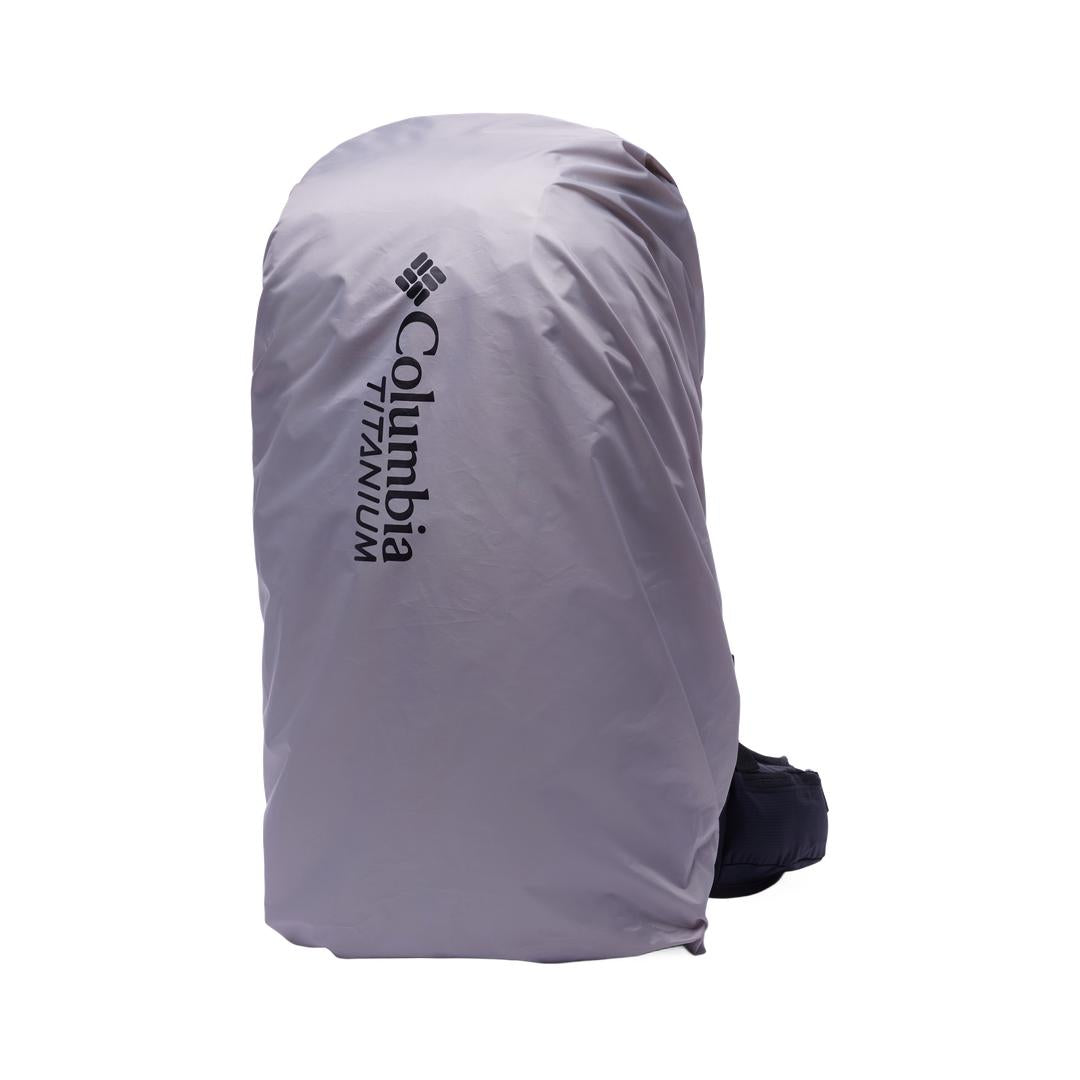
Whatever you carry, keep the contents dry separately from the bag itself. Line the pack with a dry bag, or use a rain cover, so your electronics and a spare layer stay dry even when the pack’s outer soaks through.
How do you keep Columbia sun-protective clothing working?
Omni-Shade UPF protection is engineered into the fabric rather than added as a coating, so it lasts the useful life of the garment and does not wash out the way sunscreen wears off. That said, UV protection can slowly decline over years of heavy sun and washing, so a faded, thinning sun shirt protects less than a new one.
Wash sun-protective pieces gently, skip harsh bleach, and dry them without excessive heat. When the fabric is visibly worn thin or heavily faded, treat it as due for replacement rather than trusting it on a full day of exposure. Rain shells need a different routine — reproofing the water-repellent finish — which the rain jacket guide covers.
Which Columbia gear should you start with?
- First-time hiker in the heat: a UPF 50 sun shirt, an Omni-Wick tee, trail shoes, and a daypack.
- Wet, exposed climbs: a waterproof Omni-Tech or OutDry shell, OutDry footwear, and dry bags for your pack.
- Cold-summit overnighter: a wicking base, a fleece or Omni-Heat mid, an insulated layer, and a shell on top.
- Beach, surf, or fishing days: PFG sun-protective apparel, a booney or gaiter, and fast-draining aqua shoes.
Browse the full range and check each item’s technology on its product page: shop Columbia Sportswear at R.O.X.. You can also jump straight to apparel, footwear, and bags.
Frequently Asked Questions
What is Omni-Shade and is it good for the Philippines?
Omni-Shade is Columbia’s sun-protection technology that blocks UVA and UVB rays through the fabric itself, and it suits the Philippines well because the protection does not wash off like sunscreen. UPF 50 fabric blocks around 98% of UV rays, and Columbia’s UPF apparel carries the Skin Cancer Foundation’s Seal of Recommendation. Choose Omni-Shade long sleeves and hats for long, exposed days in strong sun.
Does Columbia make gear for hot weather, not just cold?
Yes, Columbia makes a full range of hot-weather gear built around cooling and sun protection, not only cold-weather insulation. Omni-Freeze Zero uses sweat-activated cooling to lower the fabric’s temperature, while Omni-Wick pulls moisture off your skin to dry faster. For humid Philippine trails, look for these alongside Omni-Shade rather than heavier insulated pieces.
Is Columbia good gear for beginners?
Yes, Columbia is a sensible starting point for beginners because its technologies are clearly labelled, so you can match gear to conditions without deep expertise. You do not need the most technical shell or the priciest boots for a first Pulag or Batulao climb — a sun shirt, wicking layers, decent trail shoes, and a rain shell to cover most of it. Build up from there as your trips get longer and wetter.

